
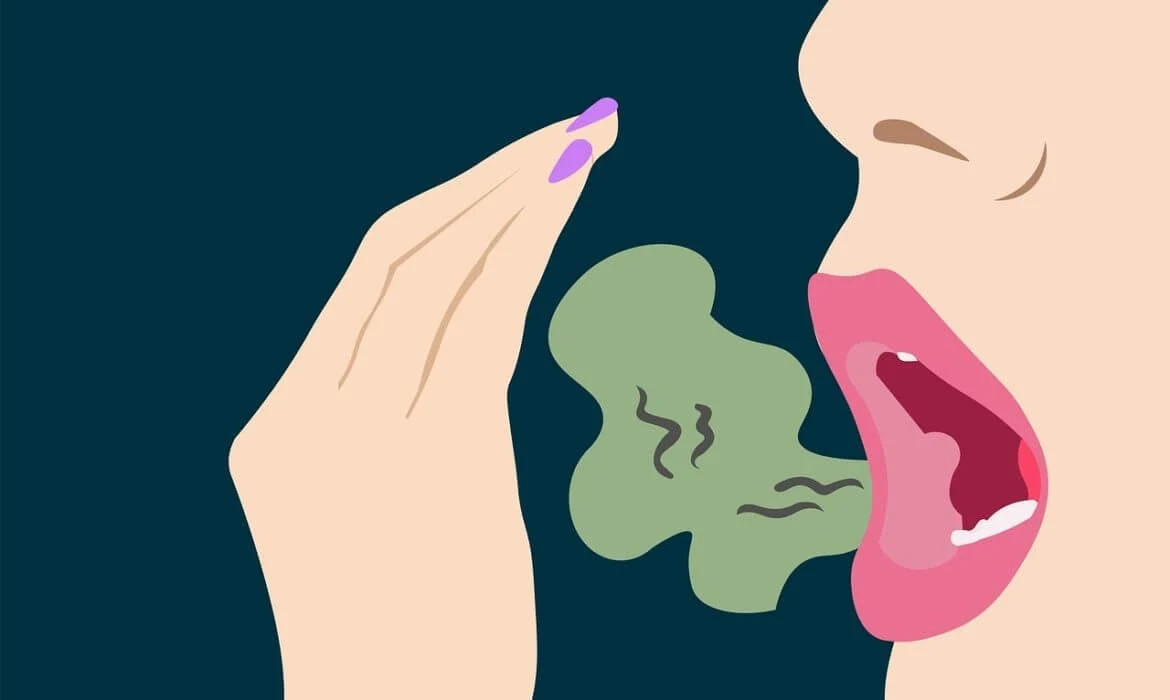
Noticed your breath is starting to smell a little… funky after your last birthday? Everyone gets bad breath from time to time, but the odour—technically called halitosis—can be powerful in folks over a certain age.
For starters, we become less nimble than we once were, she explains. “Things like arthritis, which are much more common in people over 65, affect people’s ability to brush their teeth.” Plaque, debris, and bacteria can then build up, leading to bad breath and other oral health issues.
Like Alzheimer’s or Parkinson’s, diseases that affect the brain can cause coordination problems that also make brushing teeth difficult. And as older adults rely more on caregivers, oral hygiene may fall through the cracks, Dr. Jones says. “When people become more dependent, their ability to do their own self-care diminishes,” she says. “Staff or family members might not know that mom needs to get her teeth brushed if she’s not doing it anymore.”
Getting older also makes us more likely to have a dry mouth, contributing to bad breath. Decreased saliva production allows food particles, debris, and bacteria to linger around the teeth and gums and produce a noticeable odour. A dry mouth can be caused by dehydration, and a sense of thirst tends to diminish over time.
But dry mouth can also be a result of taking certain meds. As we age and develop more health problems, we’re more likely to take more than one mouth-drying med. “If you add a second, third, or even fourth medication, you’re more likely to perceive dryness and actually have some changes in the salivary gland function,” she adds.
Finally, if you’re wearing dentures or other dental appliances, they may need to be cleaned more vigorously or regularly. When they’re not scrubbed sufficiently, they can accumulate food and plaque that lead to stinky breath.
While addressing these issues isn’t always simple—especially if a chronic condition like Alzheimer’s or arthritis is involved—there are easy steps you can take at any age to improve oral hygiene, Dr. Jones says. Her gold standard? “Brushing your teeth for two minutes, twice a day, and cleaning in between the teeth carefully once a day,” either with floss or those convenient picks now available, she says. If an aging parent or another older loved one in your life can’t perform these healthy habits alone, find someone who can help.
Keep in mind that if you already clean your teeth carefully and you get a professional cleaning on the regular, yet your breath is still toxic, it’s time to talk to a physician, Dr. Jones says. A wide range of other conditions—like stomach problems or sinus infections—can also cause foul breath and may need to be addressed before the air clears.