Rita’s Smile Makeover in Bacchus MarshRead more
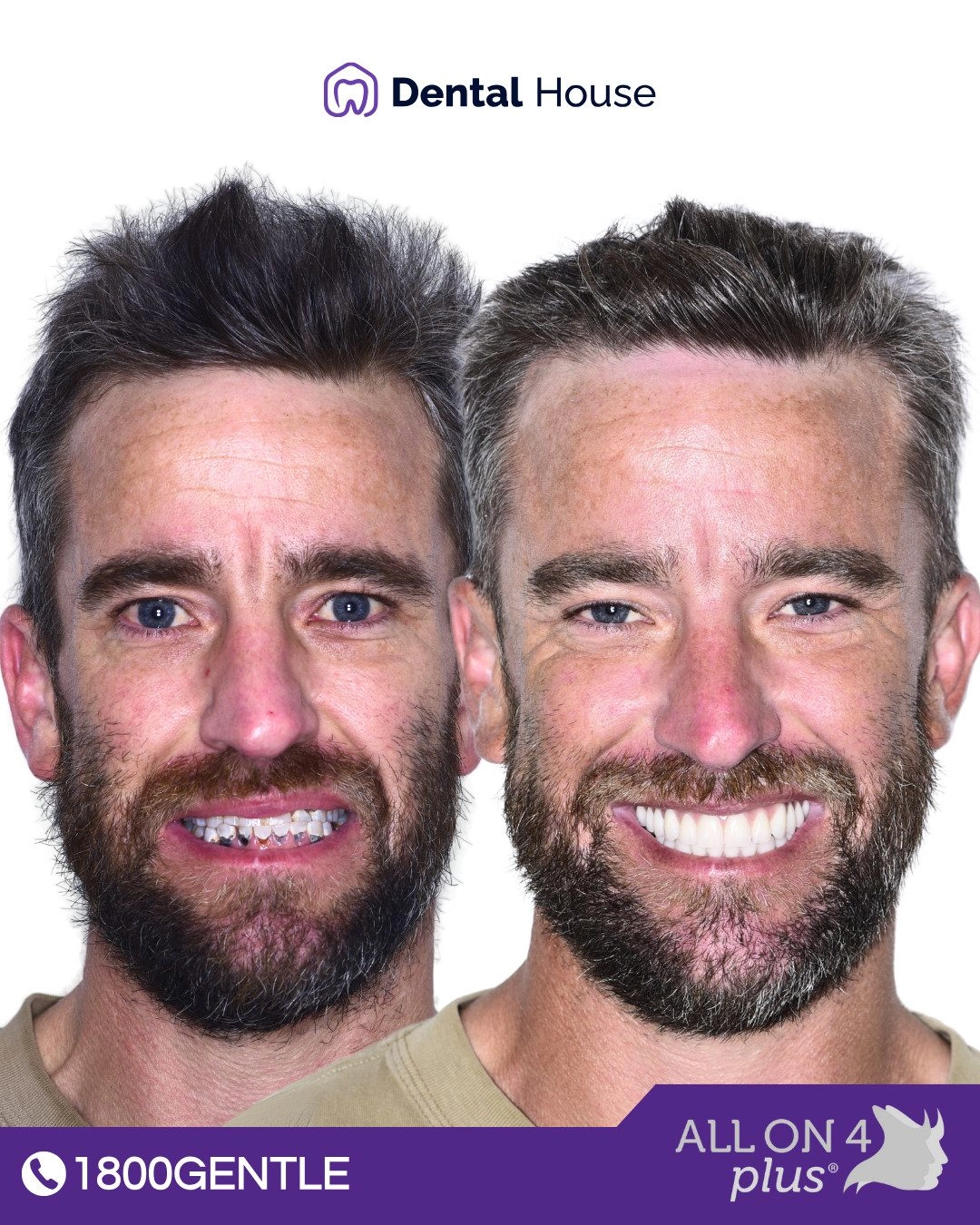
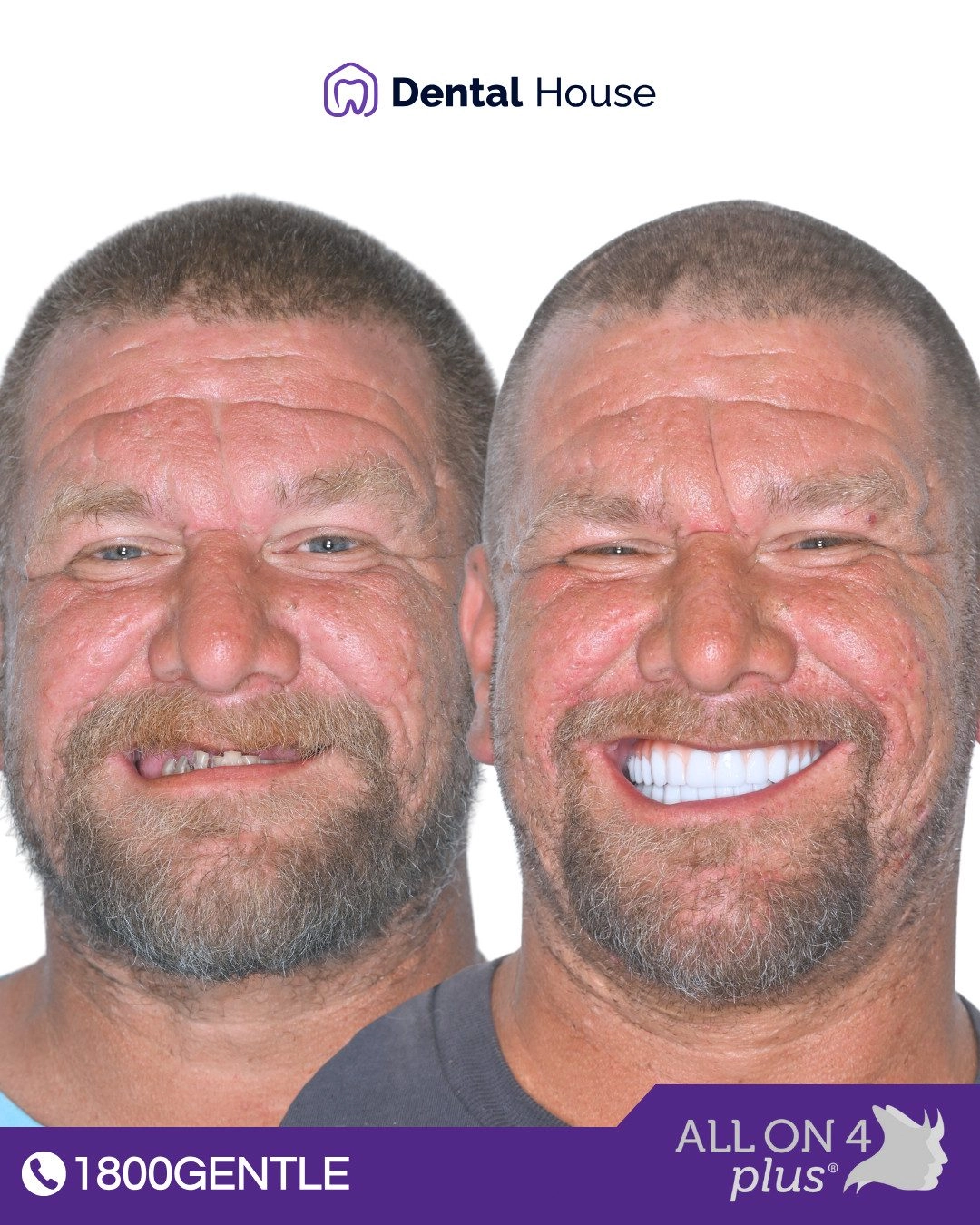
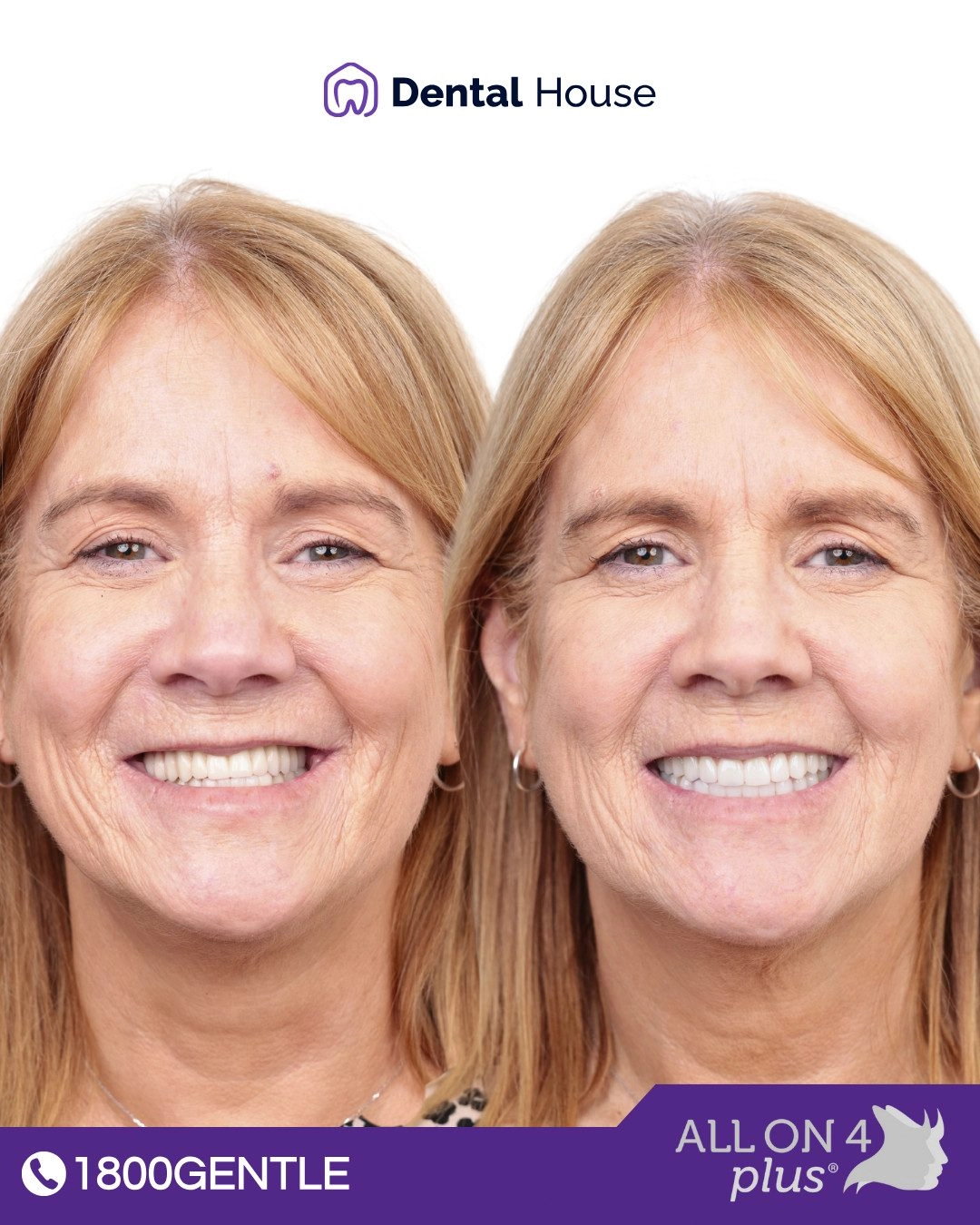
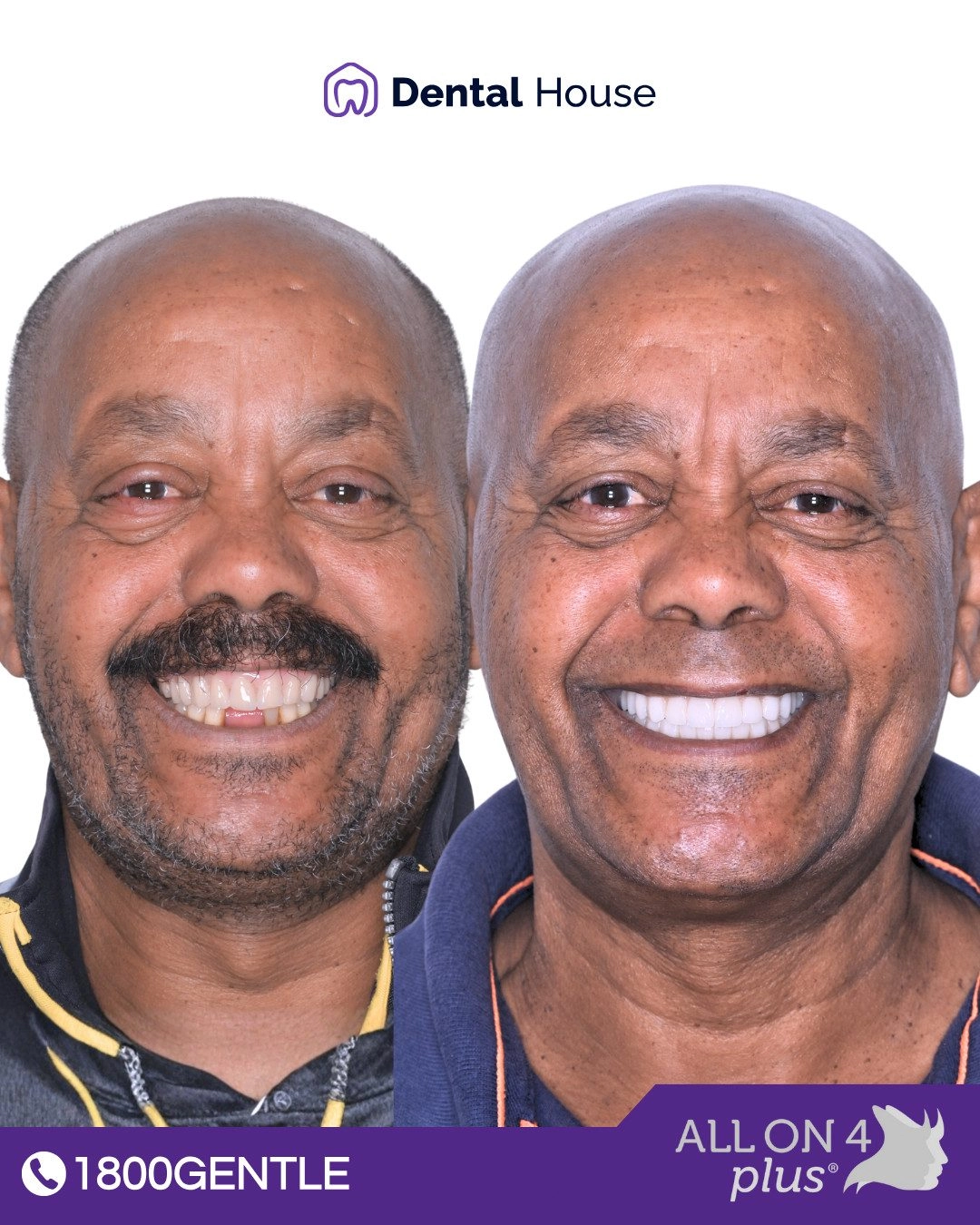
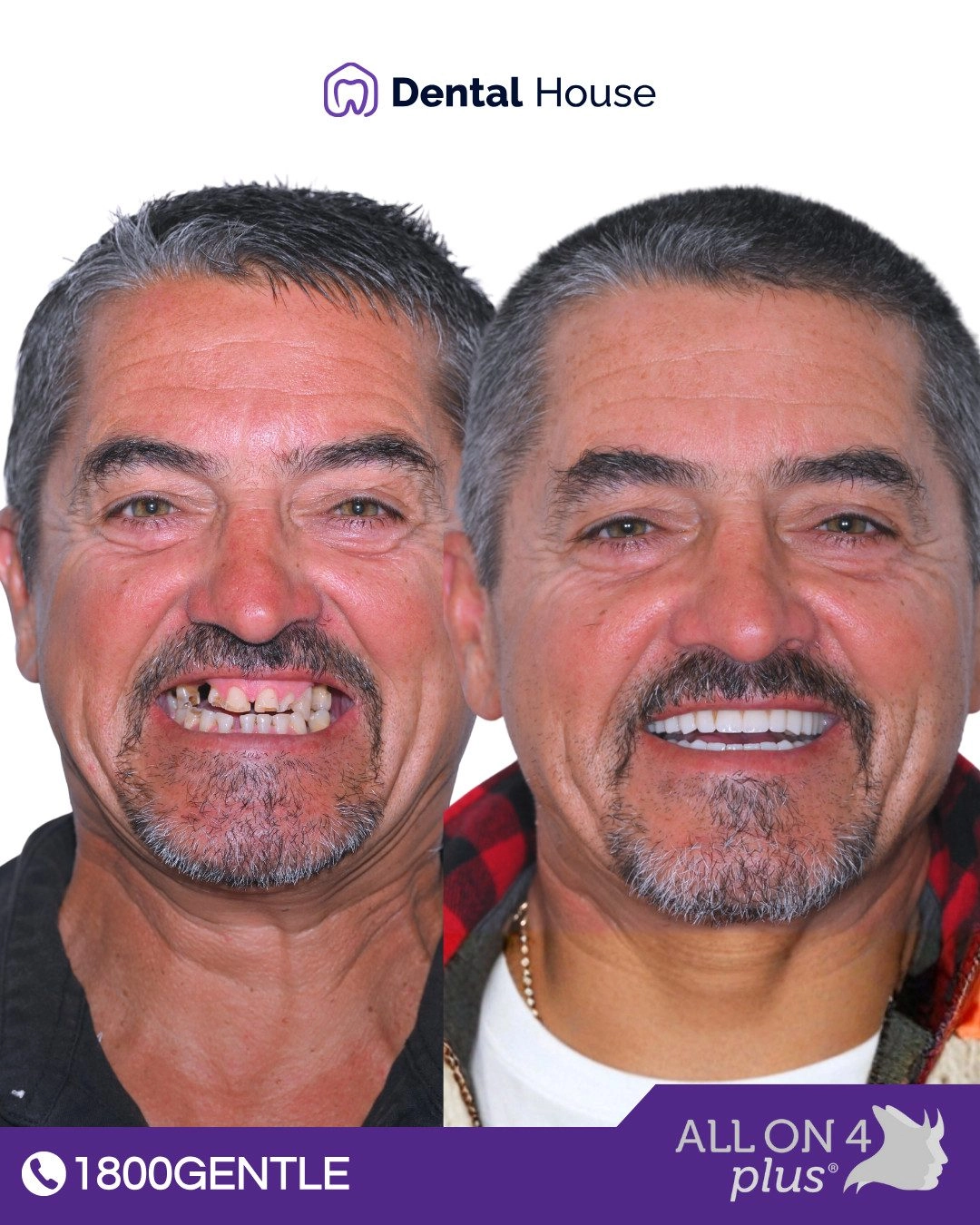
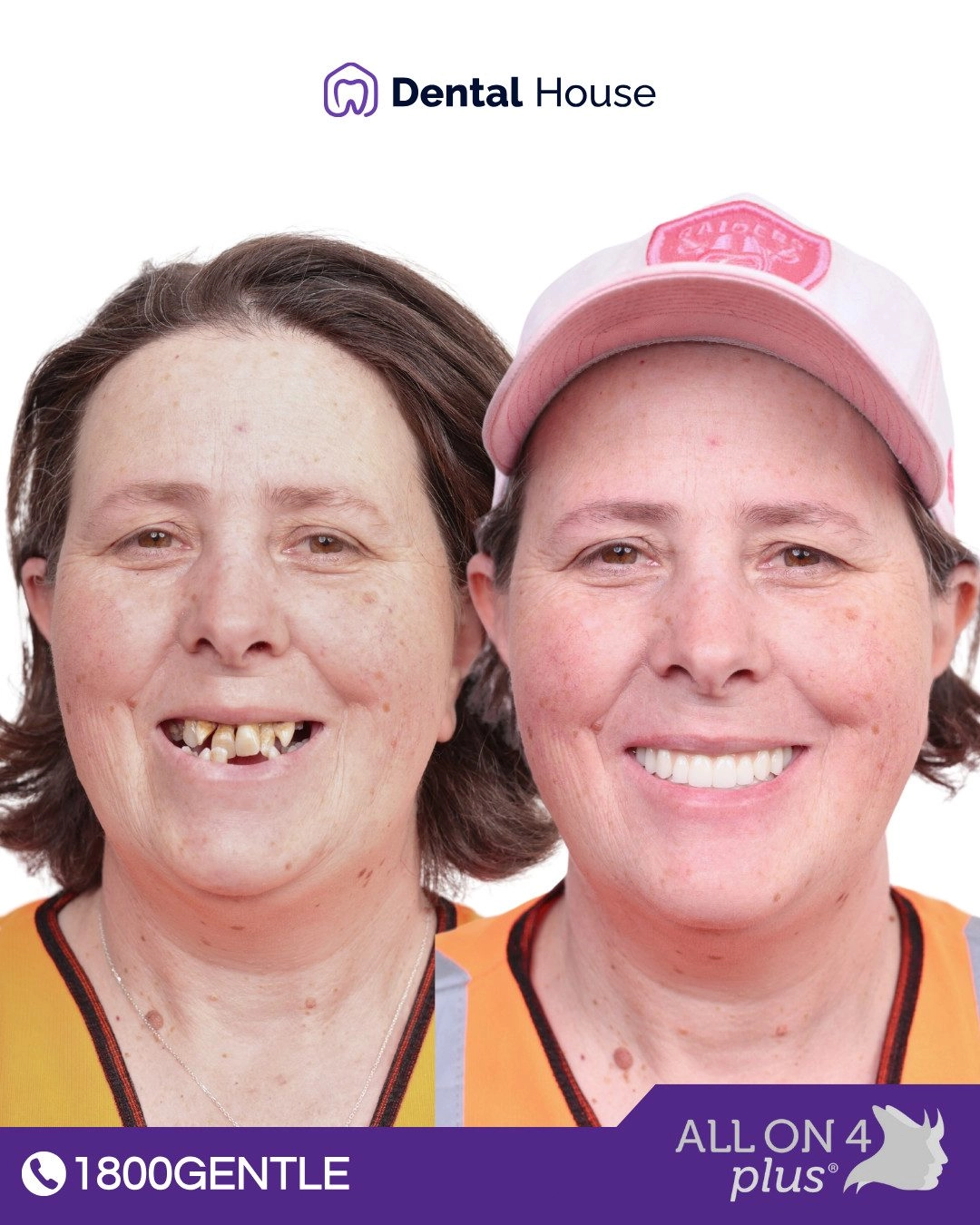
Considering an implant bridge in Gisborne? At New Gisborne Dental House, our compassionate team combines nearly 40 years of experience with established techniques to provide implant-supported bridge solutions for addressing consecutive missing teeth.
Losing several teeth in a row can affect more than just your smile. Jawbone deterioration, remaining teeth shifting, difficulty chewing, and facial structure changes are common challenges. Traditional bridges need healthy adjacent teeth prepared and don’t prevent bone loss. At New Gisborne Dental House, we’ve helped thousands of families across Gisborne, Macedon, and Riddells Creek explore implant-supported bridges that address multiple teeth using fewer implants.
Implant bridges use strategically positioned dental implants to support a fixed bridge restoration, addressing multiple consecutive missing teeth without needing an implant for each tooth. Rather than placing an implant for every missing tooth, typically two or more implants are positioned at either end of the gap, with pontic (false) teeth suspended between them, creating a stable, permanent restoration.
This approach offers advantages over traditional tooth-supported bridges by preserving healthy adjacent teeth and potentially helping maintain jawbone density through implant osseointegration. Treatment involves assessment, strategic implant positioning, a healing period (several months), and custom bridge creation. Individual suitability depends on adequate bone density at implant sites, proper spacing, healthy gums, and absence of conditions affecting healing and integration.
At New Gisborne Dental House, we take time to understand your unique situation. An implant bridge may be worth considering after our thorough, gentle evaluation, though suitability varies significantly between individuals based on bone quality and spacing.
Treatment duration depends on your individual bone quality and the number of teeth being replaced, but here's a general overview:

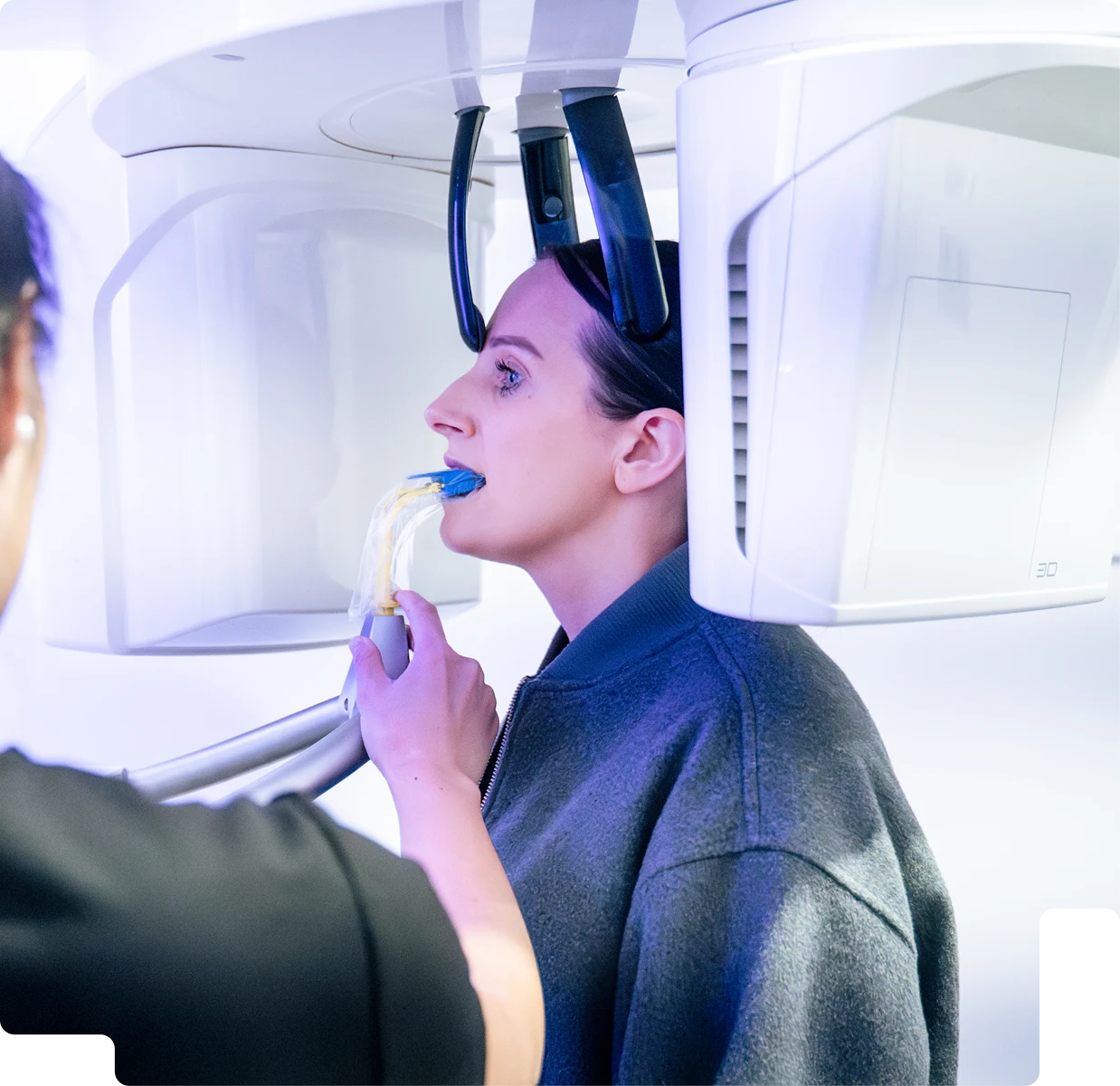
Our caring team performs a detailed examination with diagnostic imaging to evaluate bone density, spacing, and optimal implant positioning for stable bridge support. (1 appointment, typically 60-90 minutes)

In-depth discussion of implant positioning strategy, bridge design, alternative options, timeline, investment, and any preparatory procedures such as bone grafting if needed. (Same visit or follow-up, typically 45-60 minutes)

Precise positioning of supporting implants at strategic locations, typically at either end of the gap, under local anaesthetic with sedation options available. (1 appointment, typically 90-120 minutes)

Osseointegration period where implants bond with surrounding bone, generally requiring several months before bridge placement, with temporary solutions available during healing. (Usually 3-6 months, with regular check-ins)

Digital impressions captured, custom bridge restoration designed to address missing teeth naturally, with trial fitting to ensure proper fit and function. (2-3 appointments over 3-4 weeks)

Secure attachment of your custom bridge to integrated implants, with regular monitoring, professional cleanings, and guidance for long-term maintenance.
Implant bridges offer a well-established approach to tooth replacement, though they require surgery and involve particular risks and healing considerations.
Possible risks include:
Recovery considerations:
The number of implants depends on how many consecutive teeth you’re missing and bone availability. Typically, two to three implants can support a bridge replacing three to four teeth, though individual planning determines optimal placement for your situation.
Traditional bridges require preparing adjacent healthy teeth for support and don’t prevent bone loss. Implant bridges are supported by implants positioned in the jawbone, preserving adjacent teeth and potentially helping maintain bone density through osseointegration.
Implant bridges work best for replacing three to five consecutive missing teeth. Larger gaps may require additional implants or alternative solutions like multiple individual implants or full arch restoration, which we’ll determine during your assessment.
We offer flexible payment plans to suit your budget. Get the dental care you need, when you need it.



Your journey begins with a caring consultation to explore your personal circumstances and determine whether an implant bridge might suit your needs. Get in touch with our New Gisborne team today.
Disclaimer: The material posted is for informational purposes only and is not intended to substitute for professional medical advice, diagnosis or treatment. Results vary with each patient. Any dental procedure carries risks and benefits. If you have any specific questions about any dental and/or medical matter, you should consult your dentist, physician or other professional healthcare providers.