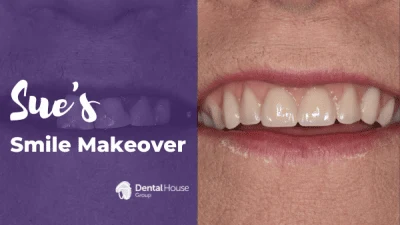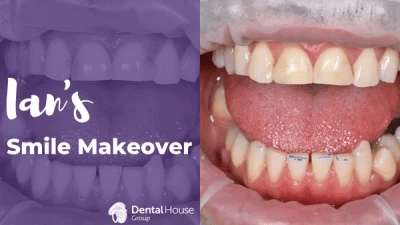
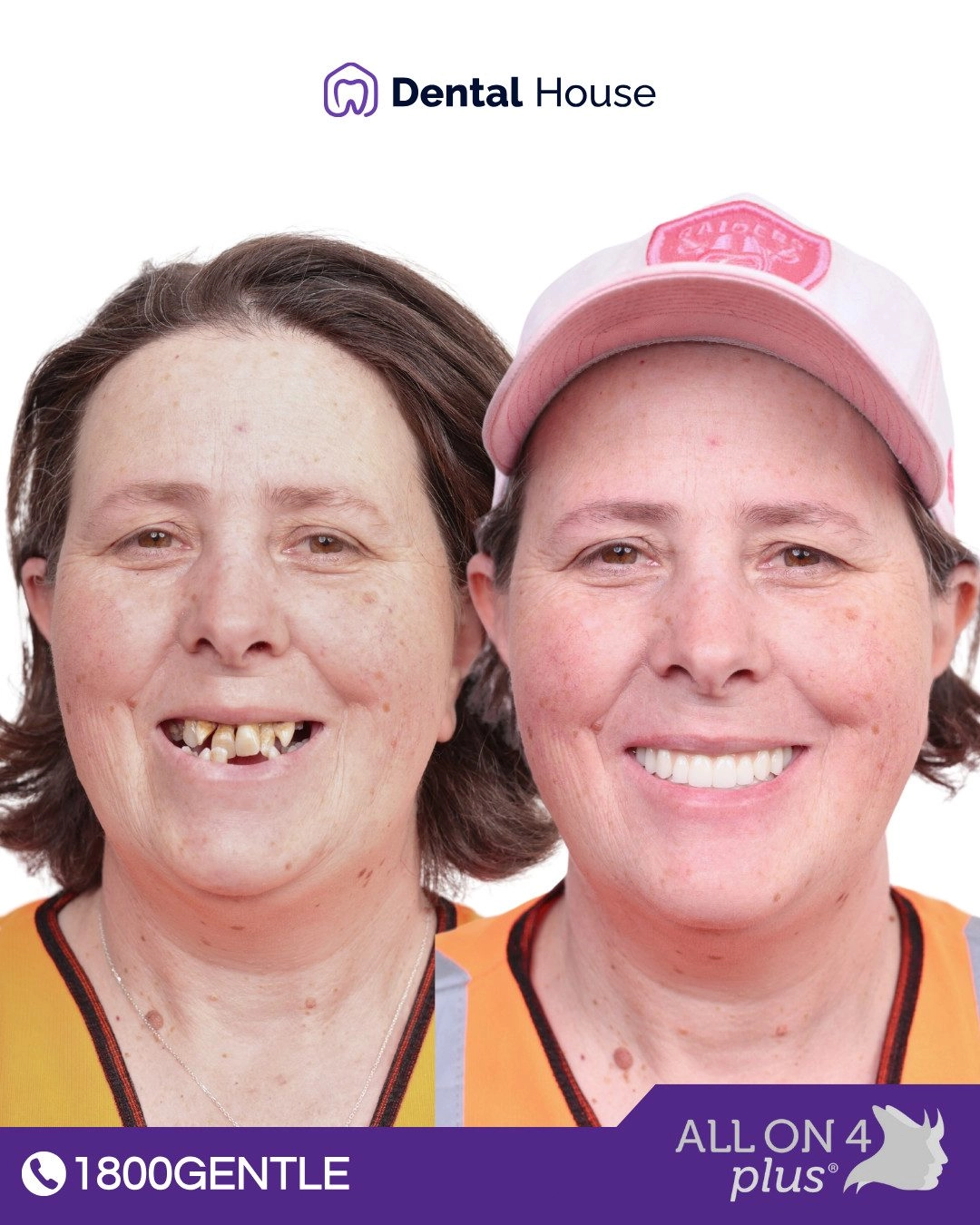
Rita’s Smile Makeover in Bacchus MarshRead more


Considering root canal treatment in Gisborne? At New Gisborne Dental House, our compassionate team combines nearly 40 years of experience with established endodontic techniques to help address infected or severely damaged tooth pulp through personalised treatment.
Severe tooth pain, sensitivity to temperature, swelling, or abscess formation can indicate serious pulp infection or damage that threatens tooth survival. At New Gisborne Dental House, we’ve helped thousands of families across Gisborne, Macedon, and Riddells Creek address pulp-related issues through root canal treatment, which may help preserve natural teeth when suitable for treating infected or irreversibly damaged pulp tissue.
Root canal treatment (endodontic therapy) is an established dental procedure designed to remove infected, inflamed, or dead pulp tissue from inside a tooth’s root canals, clean and disinfect the canal system, then seal it to prevent reinfection. Rather than extracting teeth, the tooth pulp contains nerves, blood vessels, and connective tissue that can become infected due to deep decay, repeated dental procedures, large fillings, cracks, or trauma. When pulp becomes irreversibly damaged or infected, it must be removed to prevent abscess formation, bone loss, and tooth loss.
The procedure involves accessing the pulp chamber, removing diseased tissue, shaping and cleaning the canals with specialised instruments, disinfecting the system, then filling and sealing the canals with biocompatible material. A permanent restoration (usually a crown) is typically required afterward to protect the treated tooth. This approach aims to eliminate infection, preserve the natural tooth structure, and maintain chewing function whilst avoiding tooth extraction, though success depends on case complexity, infection extent, and post-treatment care.
At New Gisborne Dental House, we take time to understand your unique situation. Root canal treatment may be worth considering after our thorough, gentle evaluation, though suitability varies significantly between individuals based on pulp condition and tooth restorability.
Treatment complexity varies based on your tooth location and infection severity, but here's a general overview:

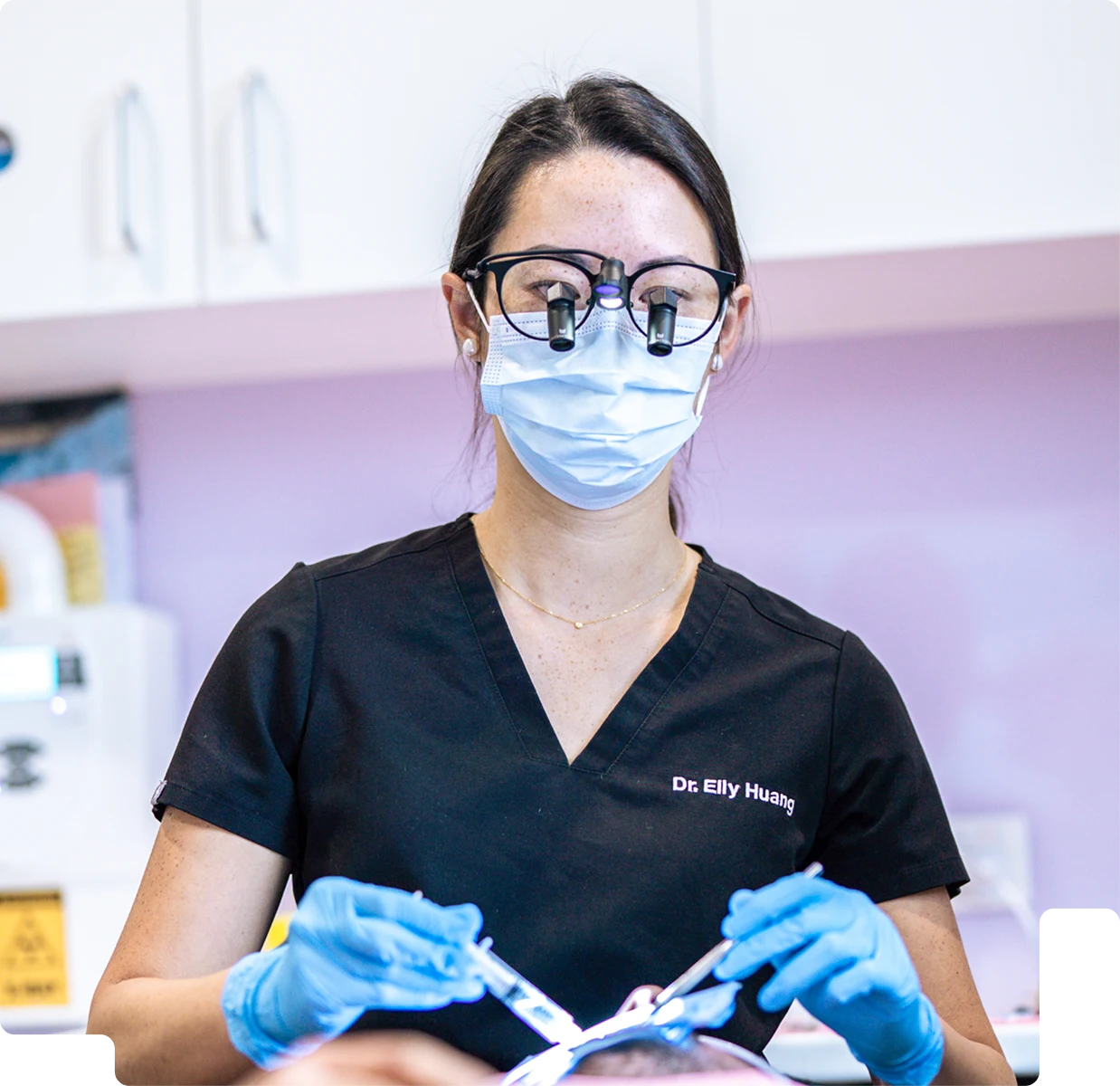
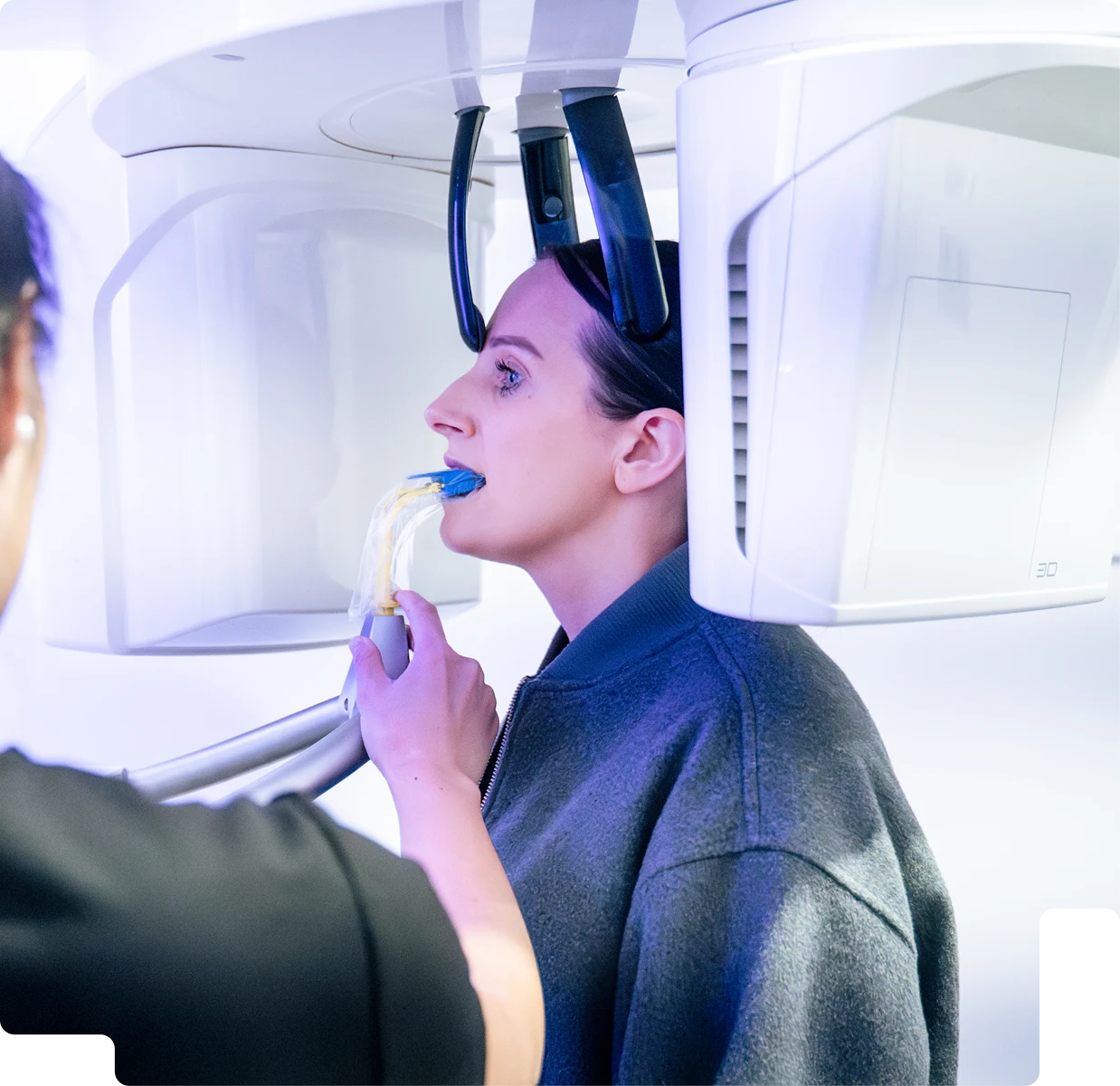
Our caring team performs a detailed examination with X-rays, pulp testing, and thorough evaluation to confirm diagnosis and treatment needs. (1 appointment, typically 45-60 minutes)

We discuss treatment options, provide immediate pain relief if needed, and schedule treatment appointments based on urgency and complexity. (Same visit or emergency appointment if required)

Local anaesthesia ensures comfort whilst infected pulp is removed, canals cleaned and shaped, and temporary filling placed if multiple visits required. (1-3 appointments depending on complexity, typically 60-120 minutes per visit)

Root canals are thoroughly disinfected, dried, and filled with biocompatible sealing material, then access opening is sealed with temporary restoration. (Same visit or follow-up visit, additional 30-45 minutes)

Initial healing is monitored, any discomfort managed, and appointments scheduled for permanent restoration placement. (Follow-up visit in 1-2 weeks, typically 30 minutes)

Permanent restoration (crown or large filling) is placed to protect the treated tooth and restore full function and strength. (Separate appointments for crown preparation, fabrication, and placement)
Root canal treatment offers established endodontic approaches, though it involves complex procedures and carries particular risks and recovery considerations.
Potential risks include:
Recovery expectations:

Modern root canal treatment is performed with effective local anaesthesia to ensure comfort during the procedure. Some post-treatment discomfort is normal and manageable with appropriate pain medication. Most patients find the treatment relieves their pre-existing pain.
Root canal success rates are generally high, though outcomes depend on many factors including infection extent, tooth condition, and post-treatment care. We can’t promise specific success rates, but most treated teeth can function normally for many years with proper restoration and care.
Treatment failure may require retreatment, endodontic surgery, or tooth extraction depending on the specific circumstances. We’ll discuss all options if complications arise and help determine the most appropriate next steps for your situation.
We offer flexible payment plans to suit your budget. Get the dental care you need, when you need it.



Your journey begins with a caring consultation to explore your personal circumstances and determine whether root canal treatment might suit your needs for preserving your natural tooth. Get in touch with our New Gisborne team today.
Disclaimer: The material posted is for informational purposes only and is not intended to substitute for professional medical advice, diagnosis or treatment. Results vary with each patient. Any dental procedure carries risks and benefits. If you have any specific questions about any dental and/or medical matter, you should consult your dentist, physician or other professional healthcare providers.