

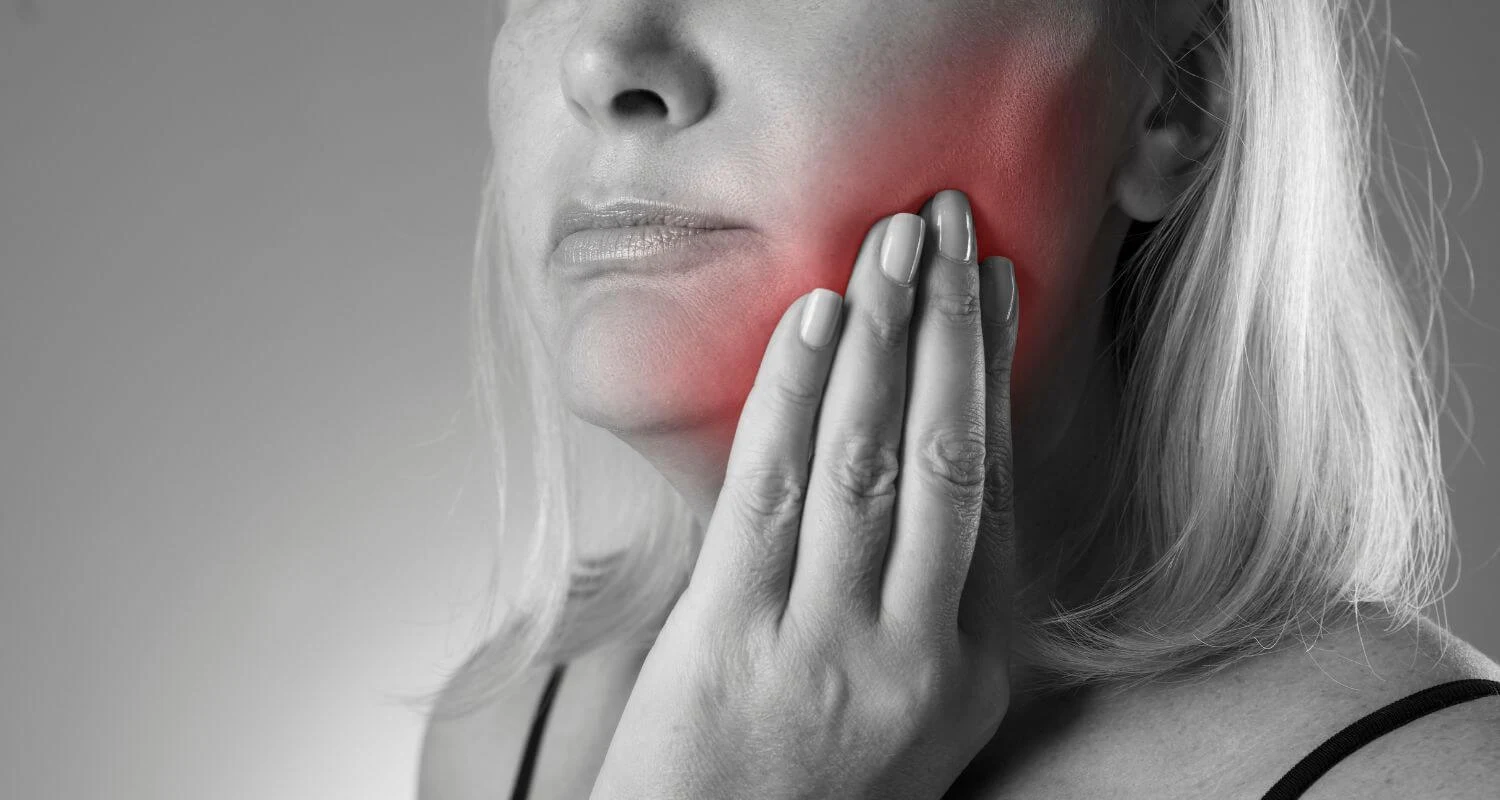
Temporomandibular Joint Disorder (TMJ), what a mouthful, just saying it can be painful. Seriously though, if you have TMJ, then chewing, smiling, talking, and laughing can be difficult to do without experiencing pain. The condition involves the area where the skull and the lower jawbone meet. TMJ disorders can be caused by injury, infection, arthritis, or dislocation. It is associated with a clicking and locking sensation in your jaw, which is often extremely painful. Temporomandibular Joint Disorder (TMJ): Getting misdiagnosed as Trigeminal Neuralgia and other painful jaw and face conditions is another all too common occurrence.
Diagnosing Temporomandibular Joint Disorder (TMJ)
Temporomandibular Joint Disorder (TMJ) dysfunction can be difficult to properly diagnose because of its wide range of symptoms and possible causes. Many sufferers seek guidance from their dentist, as it concerns the jaw and the assumption is made that it is a dental issue. TMJ can be associated with poorly fitting dental fillings not adequately adjusted. However, it can just as likely be caused by the grinding and clenching of teeth, stress, bad occlusion, ear infections, jaw deformities, injury, osteo or rheumatoid arthritis, and other ENT issues. TMJ is one of those conditions which can fall under the domain of a doctor or a dentist depending on the source of what is causing it.
What Is Trigeminal Neuralgia?
The misdiagnosis of TMJ as Trigeminal Neuralgia, whilst not common, can occur. Trigeminal Neuralgia, which is also sometimes referred to as tic douloureux, is a nerve pain related condition. Stabbing pain on one side of the jaw or lower face comes from the trigeminal nerve. This is one of the largest nerves located in the head. The condition can begin as mild pain before becoming sudden severe pain and can affect the face, eyes, jaw, gums, and forehead. Some patients have described the pain as akin to a burning sensation or an electric shock like pain shooting through the affected region. This can be a distressing condition for sufferers to deal with, as the pain can come and go with little warning and attacks may last for seconds or minutes. The painful onset of symptoms can be triggered by eating hot or cold foods or drinks, talking, or brushing teeth. Like TMJ this condition can adversely affect the ability to get a good night’s sleep. Trigeminal Neuralgia is often caused by a blood vessel impacting upon the nerve, with this compression damaging the nerve over time. Other possible causes are infrequently, strokes, tumours, and MS.

Treatments for TMJ
Both TMJ and Trigeminal Neuralgia can be very painful conditions which require treatment to alleviate pain. In the case of TMJ all dental work should be examined to ascertain that there are no possible causes involving fillings or dental infections. An occlusal splint can be made from a mold of your teeth to be worn to keep teeth apart, especially at night. The occlusal splint therapy will promote the optimal relaxed position for your facial muscles to be in. The jaw joint is free to move without being locked in place when the teeth are together. A soft food diet is recommended for acute sufferers of TMJ and TMD dysfunctions. In addition, dietary issues can be checked for non-acute TMJ patients in regard to things like hard nuts and chewing gum, which can test the jaw movement.
It is important to remember that in many instances TMJ symptoms can dissipate on their own accord over time. The jaw joint can find its place again and things can settle down. The role of stress and grinding of the teeth, which is often associated with stress, should be highlighted here. Temporary relief can be had via heat packs applied sensitively to the affected area. Massage for the head and neck by trained myofascial therapists can be of assistance in relieving the tension causing the symptoms of TMJ in some cases. Physiotherapy can, also, be of use in releasing the muscular tension around the jaw. The jaw is a very powerful muscle within the human body and is susceptible to stress. It can be helpful to undergo some relaxation therapy via many of the available modalities like meditation, yoga, visualisation, and other such gentle therapeutic pathways. There are facial injectables for the use of treating TMJ and you can discuss these with your dentist. Surgery is in most instances the last option for intractable cases of TMJ.
Dentists are always looking for the best ways of treating whatever condition their patients are suffering. We want to fix problems and alleviate pain and discomfort. TMJ and Trigeminal Neuralgia are two distinctly different dysfunctions, which can both cause severe pain and make lives much more challenging during bouts of symptoms. Always seek guidance and assurance from your dentist when experiencing pain related to the oral cavity and related areas. We are here to help.