You’ve been through a root canal treatment, expecting relief from dental pain and a return to normal eating and drinking. However, months or even years later, you’re experiencing discomfort again. It’s a frustrating situation that affects approximately 10-15% of root canal patients, according to Australian dental research.
Root canal re-treatment, whilst not ideal, is sometimes necessary when the initial procedure doesn’t achieve the desired long-term results. Understanding the warning signs can help you seek timely treatment and preserve your natural tooth. At New Gisborne Dental House, we regularly see patients from Gisborne, Macedon, and Riddells Creek who need expert assessment of previously treated teeth.
Let’s explore the key indicators that suggest your root canal might need another look.
Understanding Why Root Canals Sometimes Need Re-treatment
Root canal treatment involves removing infected or damaged nerve tissue from inside your tooth, cleaning the root canals, and sealing them to prevent future infection. While modern endodontic techniques have success rates of around 85-90%, several factors can lead to treatment failure.
The most common causes include:
- Incomplete removal of bacteria during the initial treatment
- Complex root anatomy that was difficult to access or clean thoroughly
- New decay that has allowed bacteria to re-enter the treated tooth
- Damaged or loose crown or filling that compromises the seal
- Fractures in the tooth root that weren’t initially detected
- Calcified canals that prevented complete cleaning
According to the Australian Dental Association, understanding these potential complications helps patients make informed decisions about their ongoing dental care.
The Tell-tale Signs: Failed Root Canal Symptoms to Watch For
Persistent or Returning Pain
The most obvious indicator that something isn’t right is ongoing discomfort. While some mild sensitivity immediately after root canal treatment is normal, persistent pain that continues beyond a few weeks, or pain that returns months or years later, warrants professional evaluation.
This pain might present as:
- Sharp, shooting sensations when biting down
- Throbbing pain that worsens at night
- Sensitivity to hot or cold temperatures
- Constant, dull aching in the treated area
Swelling and Tenderness
Swelling around the treated tooth, particularly in the gum tissue or face, indicates active infection. This swelling may be accompanied by:
- Tender, inflamed gums around the tooth
- A small bump or pimple on the gum (dental abscess)
- Facial swelling on the affected side
- Tender lymph nodes in the neck
Australian health statistics show that facial swelling related to dental infection accounts for a significant number of emergency dental visits each year.
Changes in Tooth Colour
A previously treated tooth that becomes noticeably darker or develops a grey tinge may indicate internal problems. This discolouration can result from:
- Breakdown of remaining tissue inside the tooth
- Blood products left behind during treatment
- Bacterial contamination causing internal staining
- Materials used in the original treatment
When X-rays Reveal the Truth
Sometimes failed root canal symptoms aren’t immediately obvious through clinical examination alone. Digital X-rays can reveal:
Bone loss around the tooth root: Dark areas on X-rays indicate infection and bone destruction around the tooth’s root tips.
Incomplete canal filling: Gaps in the root canal filling material allow bacteria to re-establish infection.
New decay: Cavities that have developed since the original treatment, compromising the seal.
Root fractures: Cracks in the tooth root that may not be visible during clinical examination.
Modern dental imaging at facilities like New Gisborne Dental House allows for precise diagnosis of these conditions, helping determine whether re-treatment is the best option for preserving your natural tooth.
The Re-treatment Process: What to Expect
If your dentist determines that re-treatment is necessary, the process typically involves:
- Comprehensive assessment: Including digital X-rays and clinical examination
- Accessing the tooth: Removing the existing crown or filling to reach the root canals
- Cleaning and disinfection: Thoroughly cleaning the canals and removing any infected tissue
- Reshaping and refilling: Preparing the canals and placing new filling material
- Final restoration: Placing a new crown or filling to seal and protect the tooth
The success rate for root canal re-treatment is generally around 75-85%, making it a viable option for many patients who want to preserve their natural teeth.
Alternative Options When Re-treatment Isn’t Suitable
In some cases, root canal re-treatment may not be the best solution. Factors that might make re-treatment unsuitable include:
- Severely fractured tooth roots
- Insufficient remaining tooth structure
- Complex internal anatomy that cannot be adequately cleaned
- Patient preference for a different treatment approach
Alternative treatments might include:
- Dental implants: A titanium post placed in the jawbone with a crown attached
- Dental bridges: Connecting crowns that use adjacent teeth for support
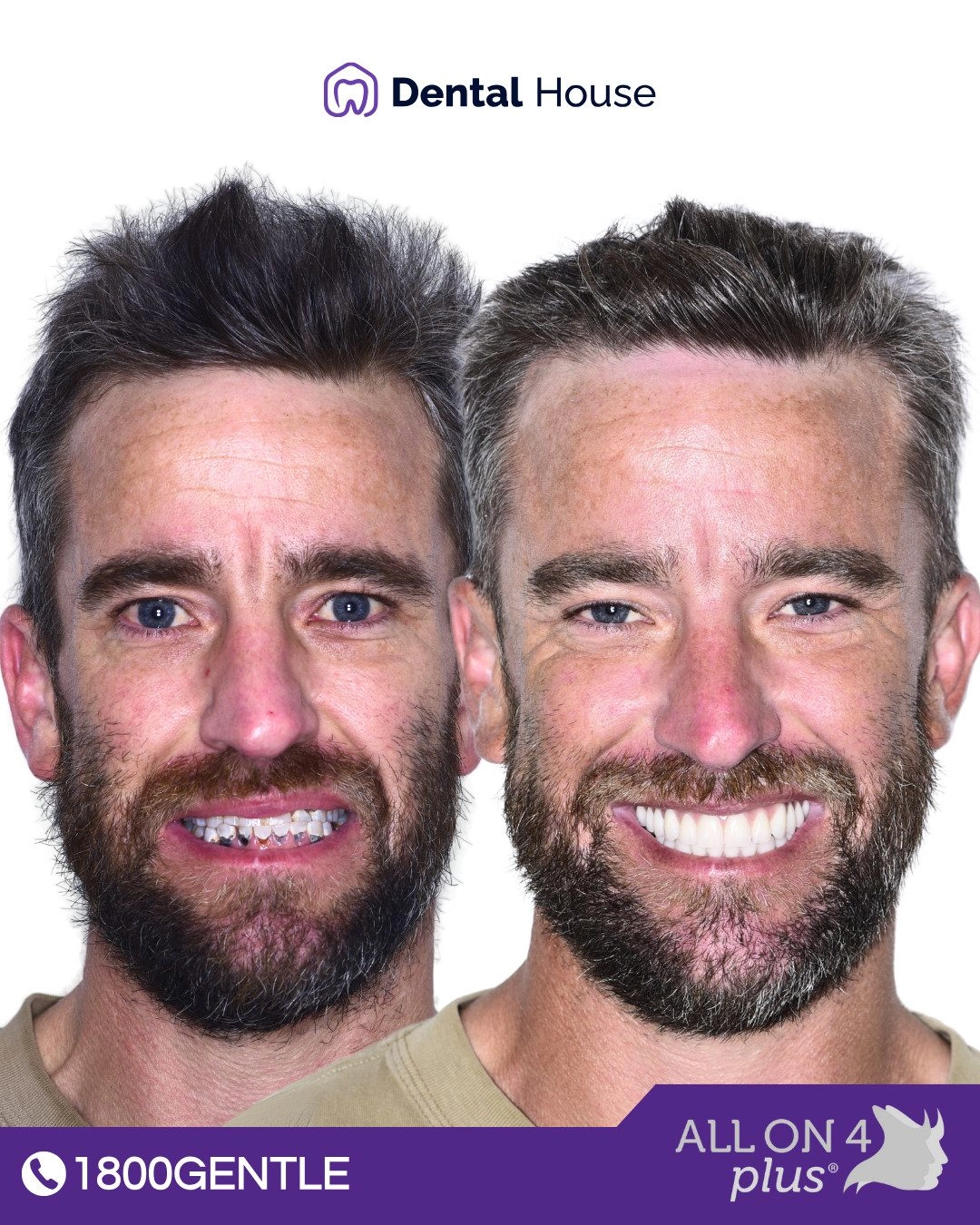
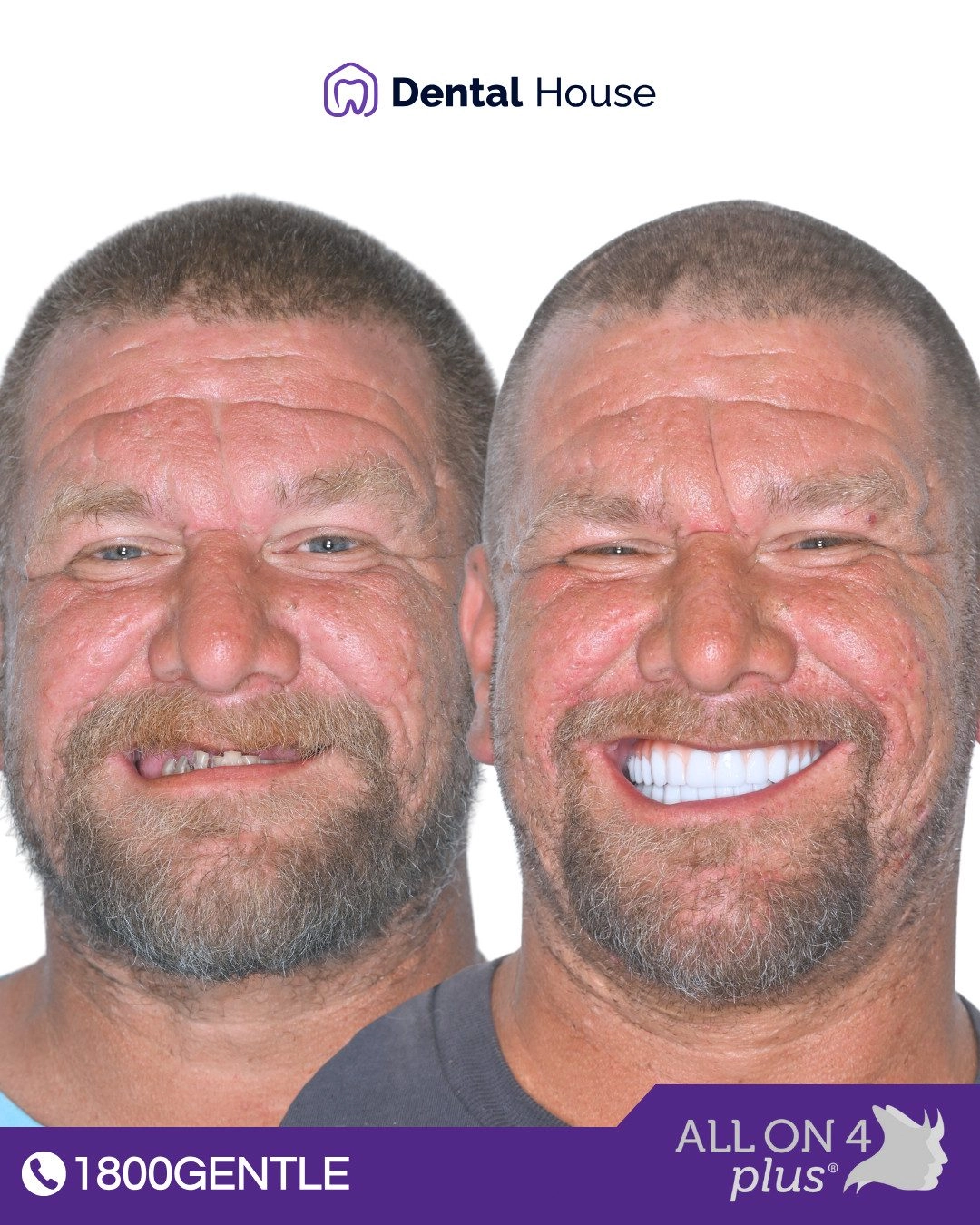
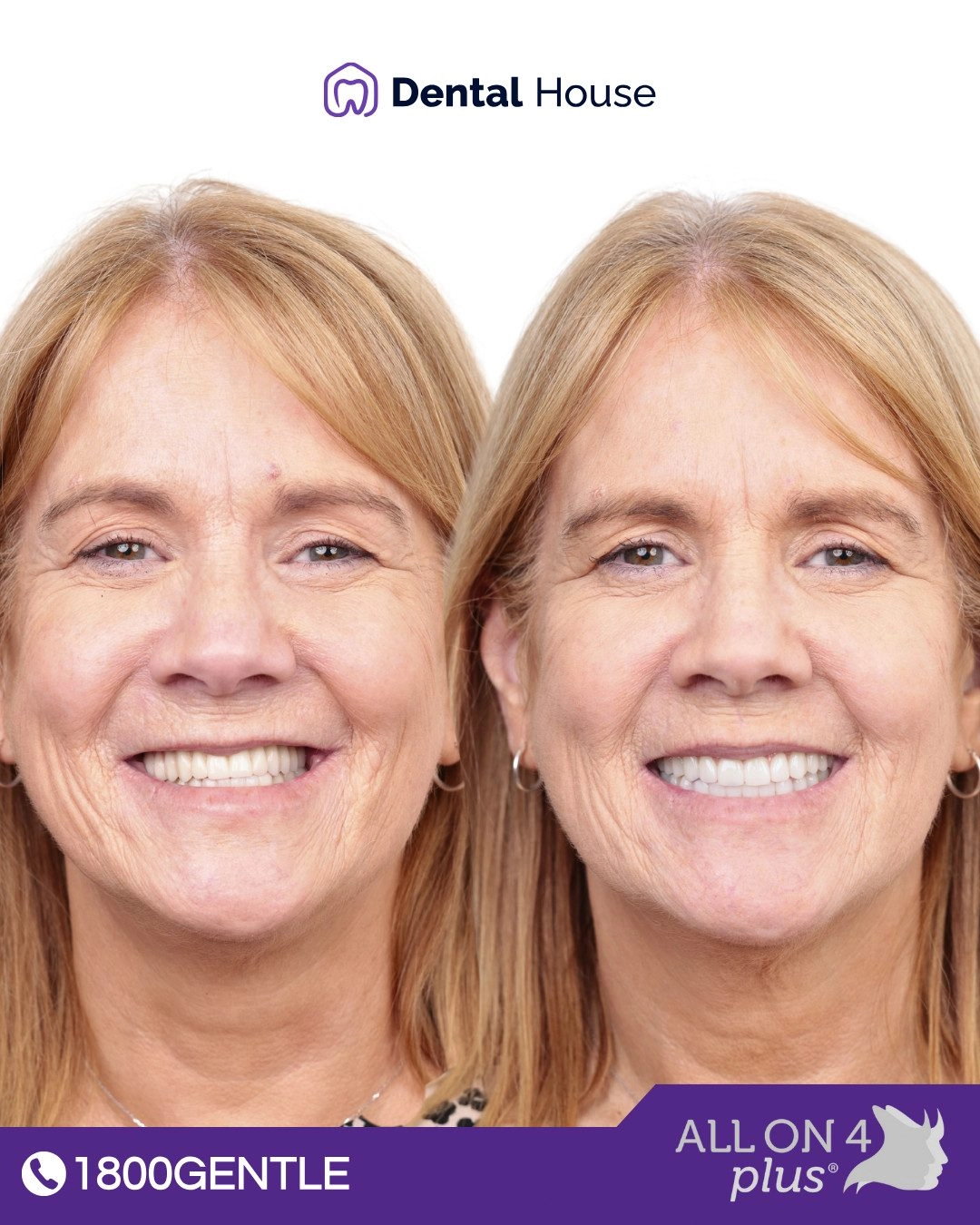
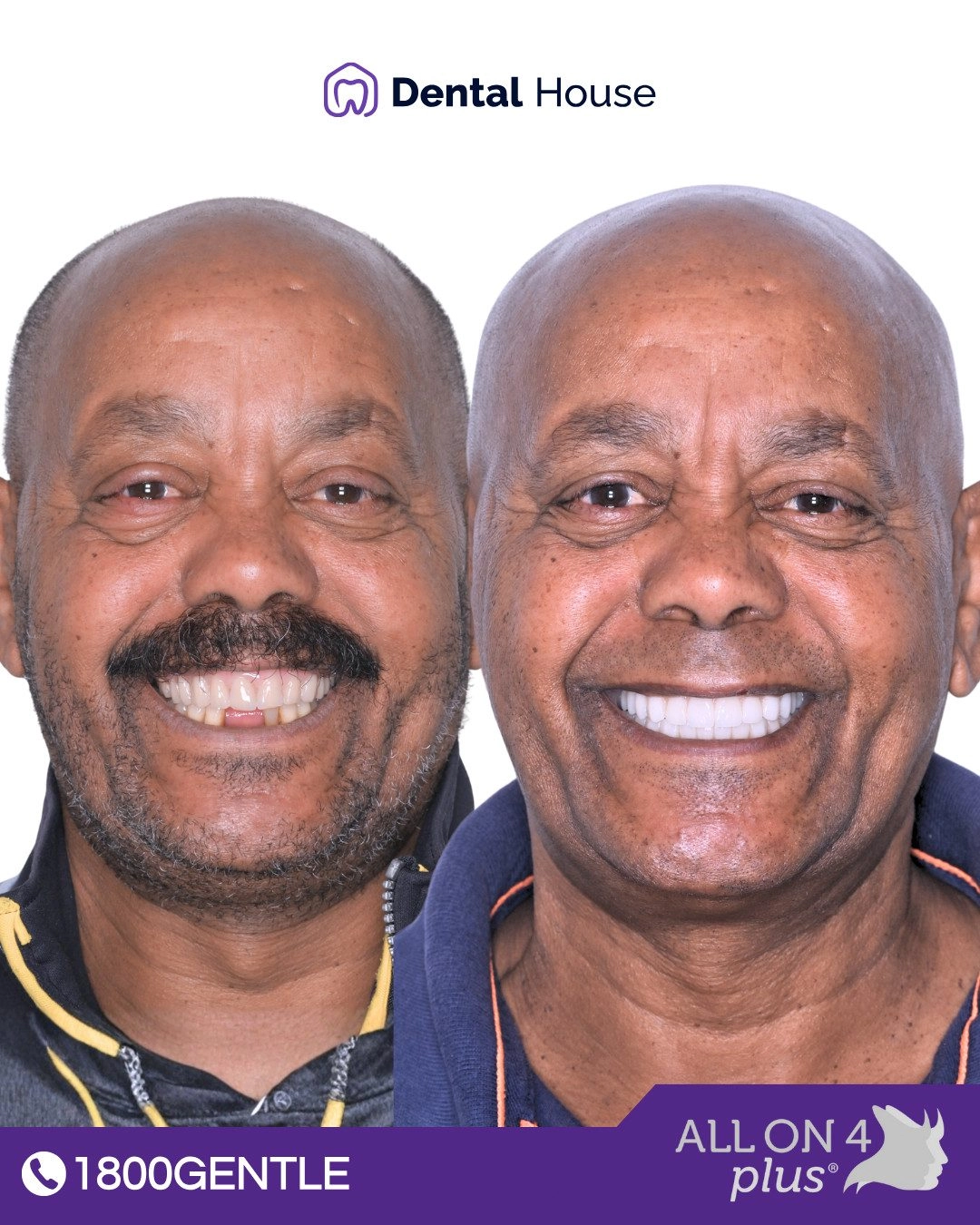
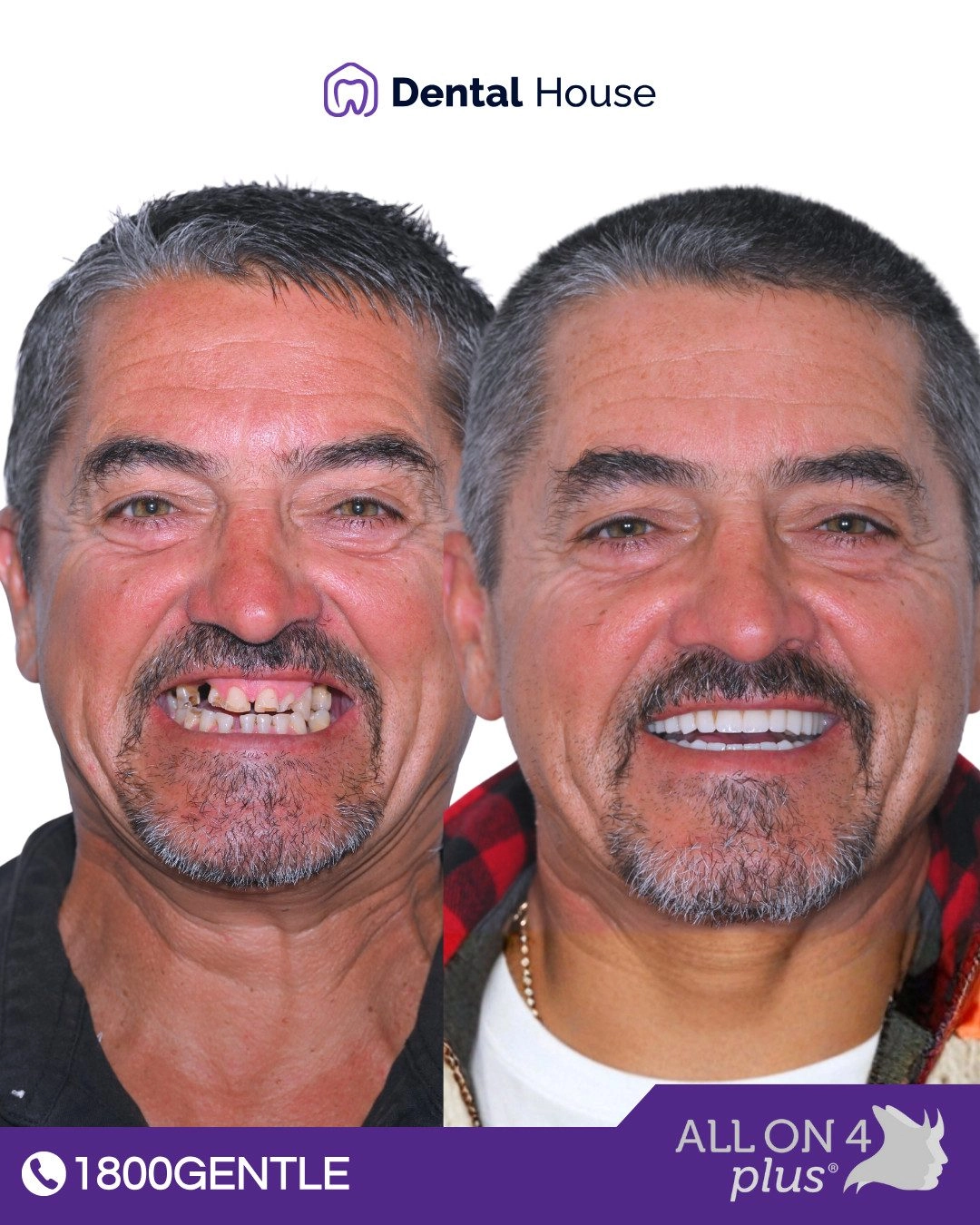
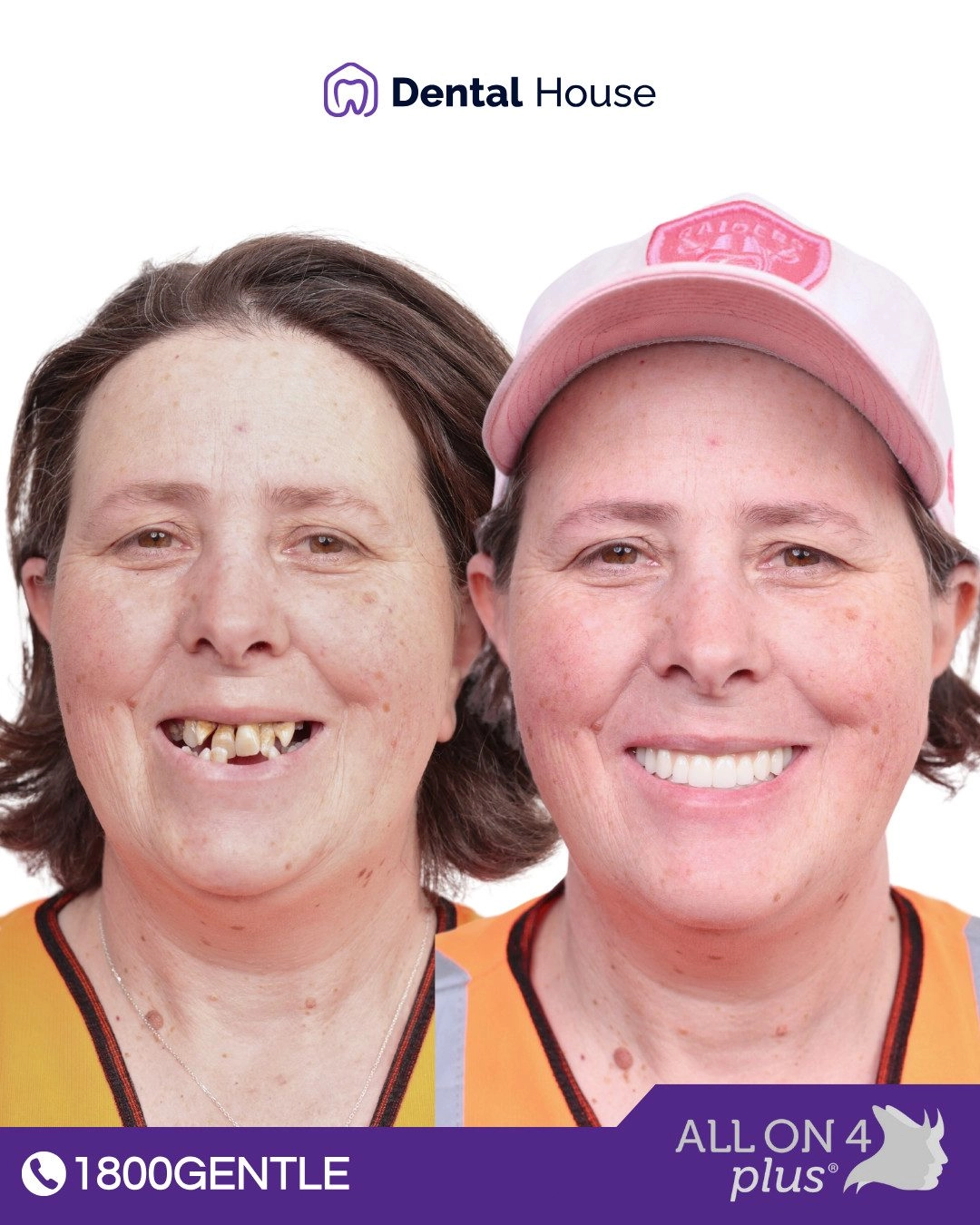
- All-On-4 Plus® implants: For patients with multiple failing teeth
At New Gisborne Dental House, we specialise in these advanced restorative options, providing comprehensive solutions for patients throughout Melbourne.
Prevention: Protecting Your Investment
- Maintain excellent oral hygiene with regular brushing and flossing
- Attend regular check-ups and professional cleanings every six months
- Avoid chewing hard objects like ice or pen caps
- Address any new dental problems promptly
- Consider a night guard if you grind your teeth
- Don’t delay replacing damaged crowns or fillings
Making the Right Decision for Your Oral Health
Recognising failed root canal symptoms early and seeking prompt professional assessment can make the difference between successful re-treatment and tooth loss. The key is working with experienced dental professionals who can accurately diagnose the problem and present you with all available treatment options.
Every patient’s situation is unique, and what works best for one person may not be ideal for another. Factors such as overall oral health, budget considerations, time constraints, and personal preferences all play a role in treatment planning.
At New Gisborne Dental House, we believe in taking the time to thoroughly explain your options, ensuring you feel confident about your treatment decisions. Our gentle approach to dentistry, combined with advanced diagnostic technology, helps patients from Gisborne, Macedon, and Riddells Creek receive the highest standard of care.
Take Action for Your Dental Health
If you’re experiencing any of the symptoms discussed in this article, don’t wait for the problem to worsen. Early intervention often leads to better treatment outcomes and can save you from more extensive procedures down the track.
Our experienced team at New Gisborne Dental House is ready to assess your situation and provide expert guidance on the best path forward. Whether you need root canal re-treatment, dental implants, or our signature All On 4 Plus® solution, we’re committed to helping you achieve optimal oral health in a comfortable, premium environment.
Frequently Asked Questions
Q: Can a failed root canal be fixed, or will I need to have the tooth extracted?
A: Many failed root canals can be successfully retreated, with success rates of 75-85%. However, the feasibility depends on factors like remaining tooth structure, root fractures, and overall tooth condition. Your dentist will assess these factors to determine if re-treatment is viable.
Q: How much does root canal re-treatment cost compared to alternatives like dental implants?
A: Re-treatment costs vary depending on complexity and whether additional procedures like crown replacement are needed. While initially less expensive than implants, the long-term value depends on the treatment’s success rate and longevity. Your dentist can provide detailed cost comparisons for your specific situation.