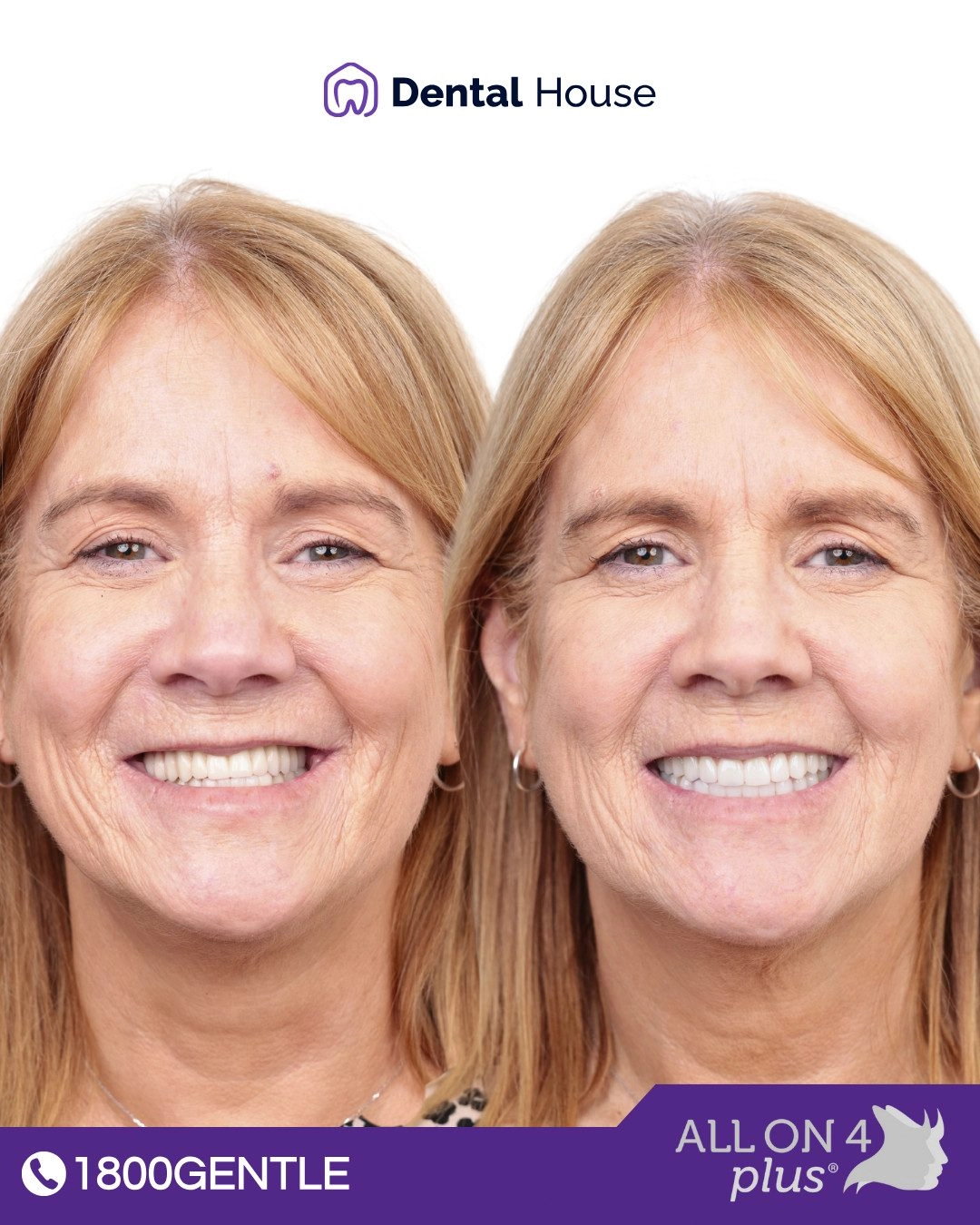

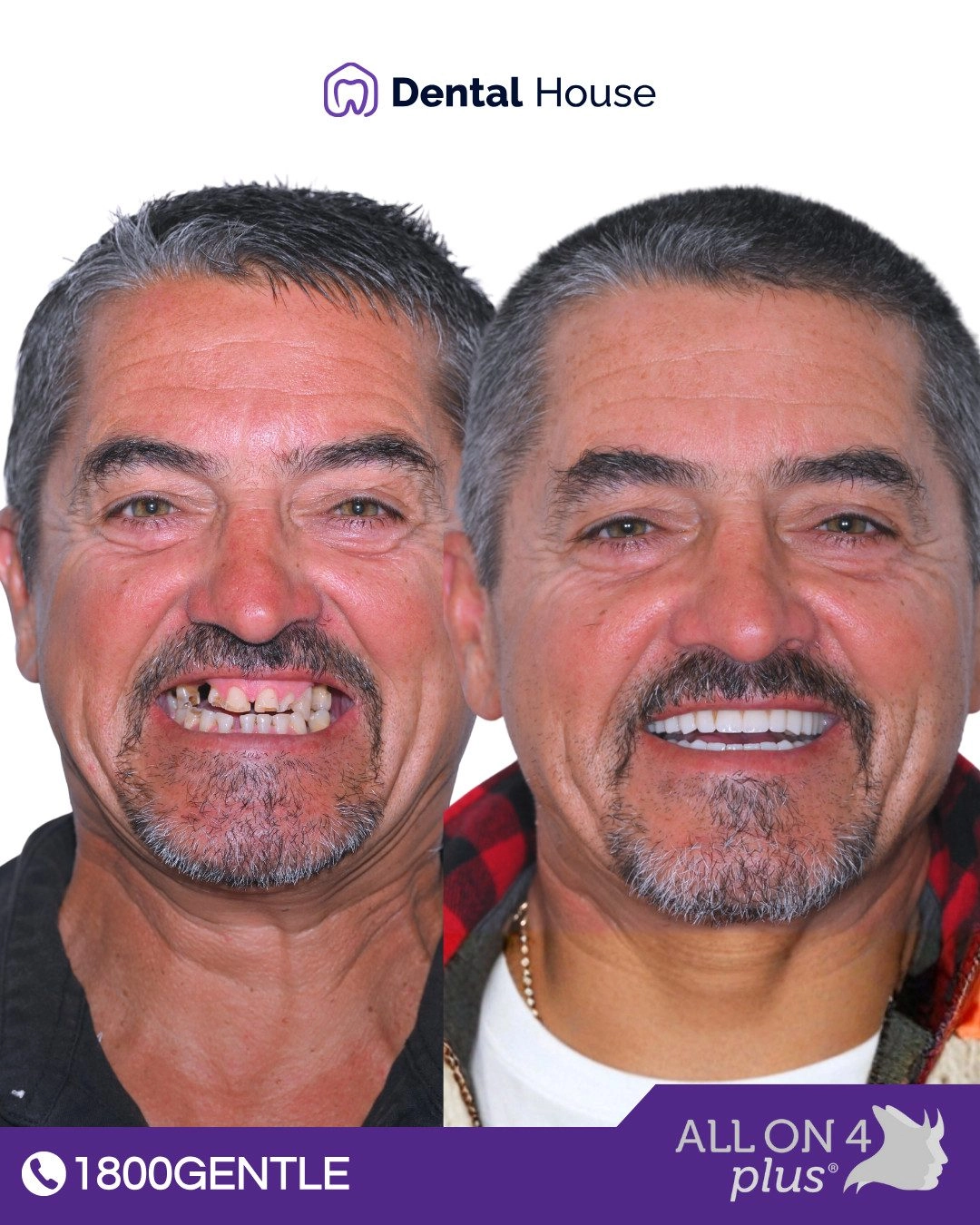
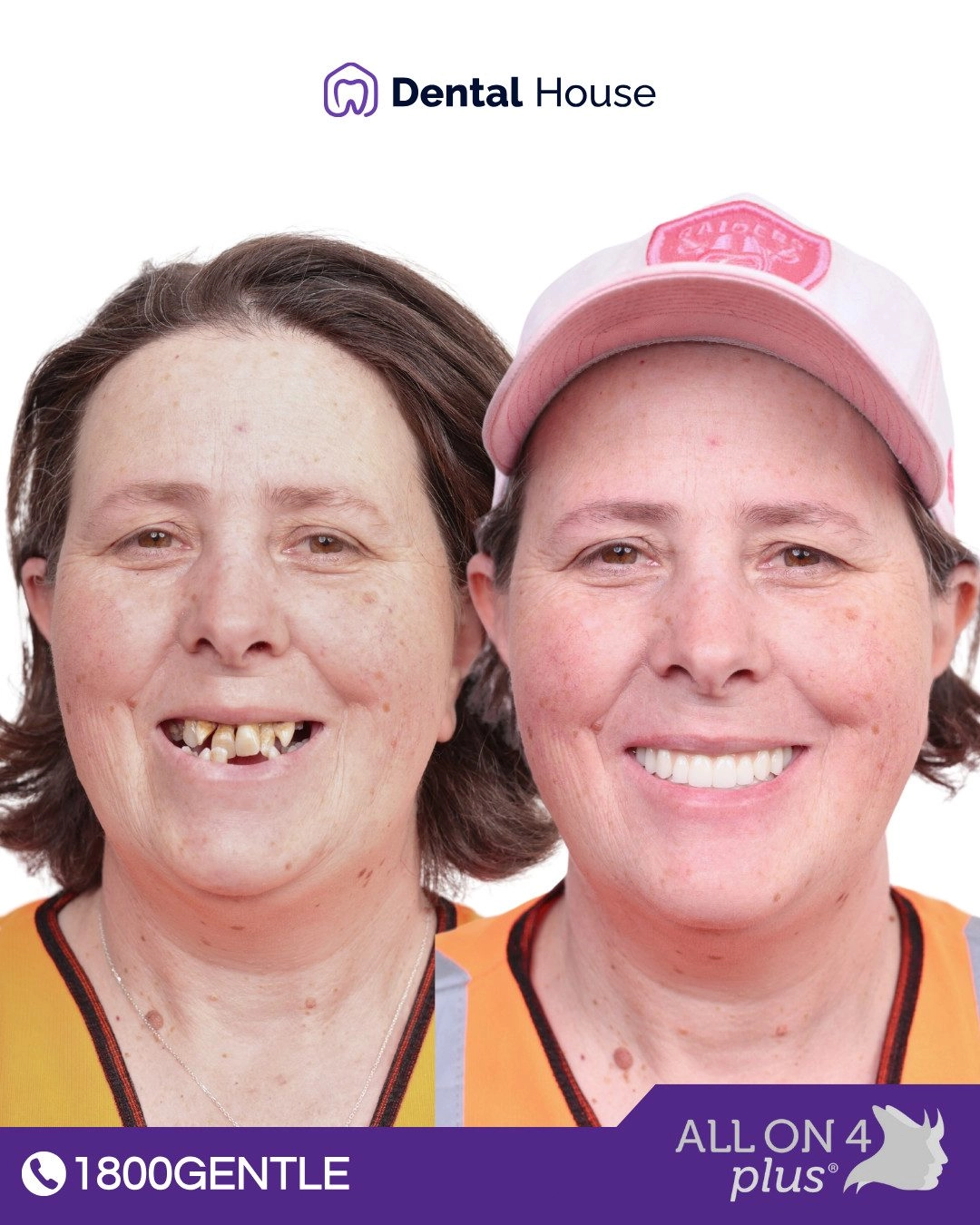

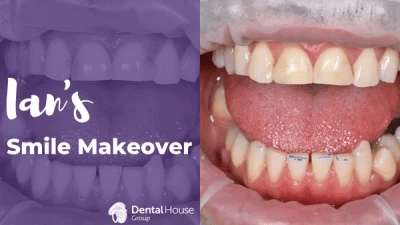
Presenting Clinical Problem
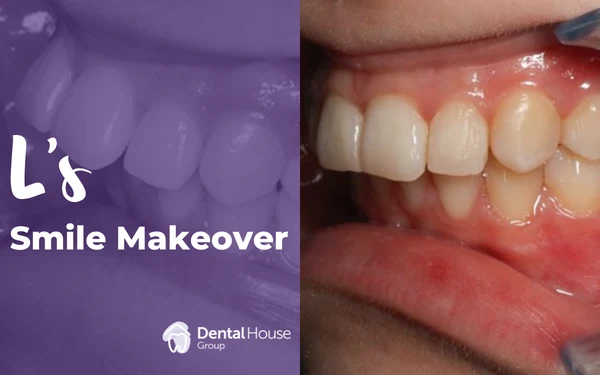
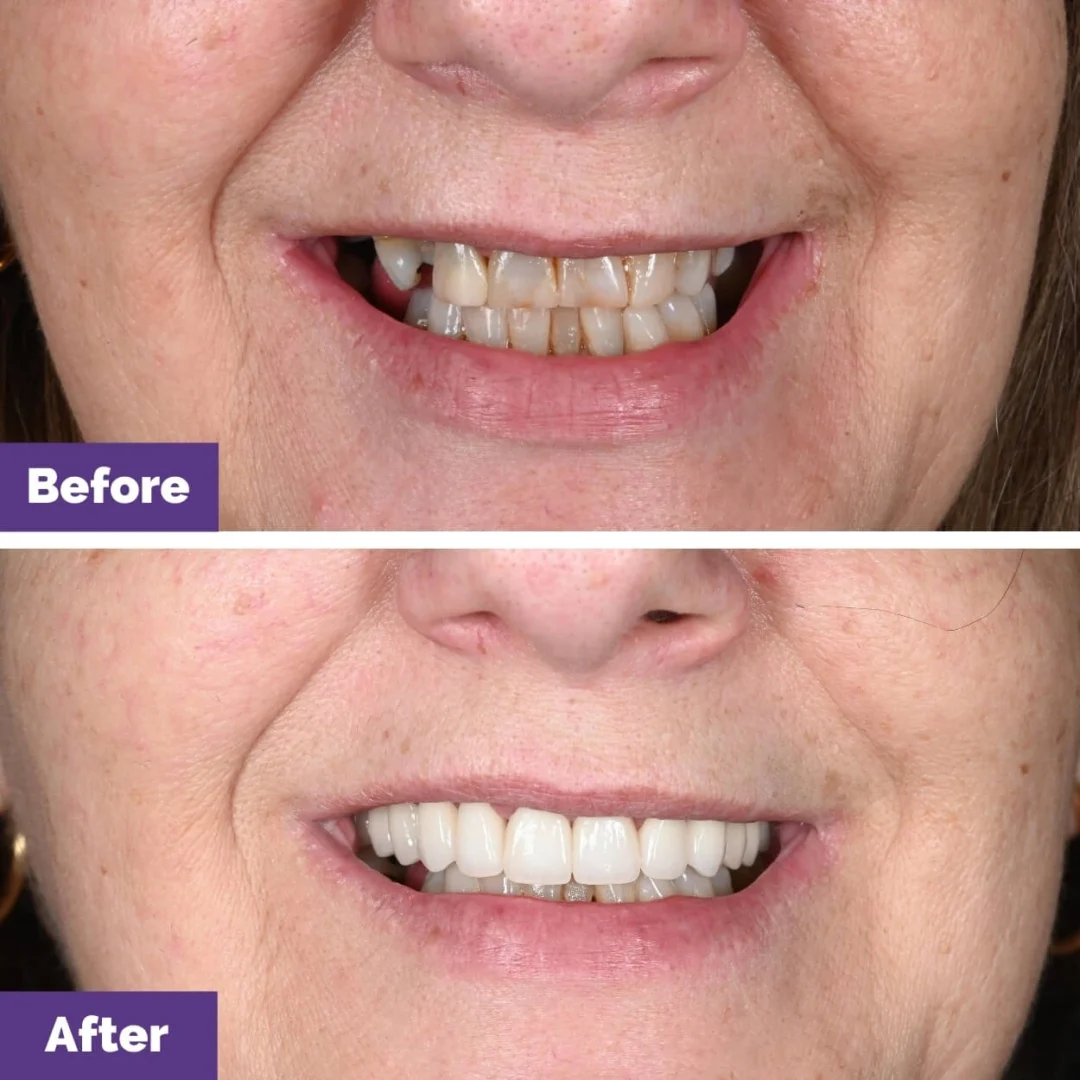
- Gap in anterior region affecting smile appearance
- Possible missing tooth or significant spacing
- Patient concerns regarding aesthetic appearance
- Impact on smile confidence
- Assessment of options for gap closure
- Primary objective: Close anterior gap and improve aesthetics
Treatment Plan & Clinical Process
Phase 1: Assessment and Treatment Planning
- Comprehensive evaluation of gap and surrounding teeth
- Determination of cause (missing tooth versus spacing)
- Discussion of bridge versus alternative options
- Assessment of adjacent teeth for bridge support
- Digital smile design and shade planning
Phase 2: Tooth Preparation
- Preparation of adjacent teeth to support bridge
- Preparation of additional teeth for veneers as required
- Impressions for laboratory fabrication
- Temporary restorations during fabrication period
Phase 3: Bridge and Veneer Placement
- Trial fitting of bridge and veneers
- Verification of fit, colour and occlusion
- Permanent cementation with appropriate protocols
- Occlusal adjustment
- Post-placement care instructions
Clinical Outcome
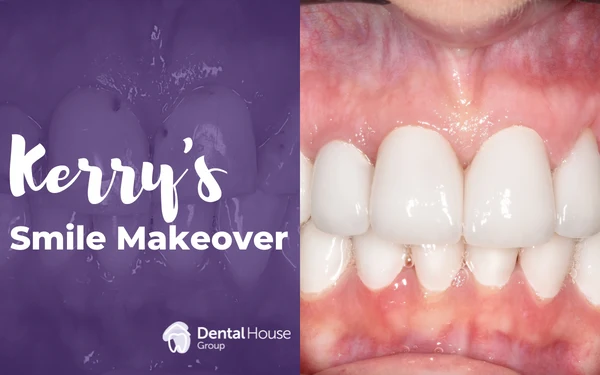
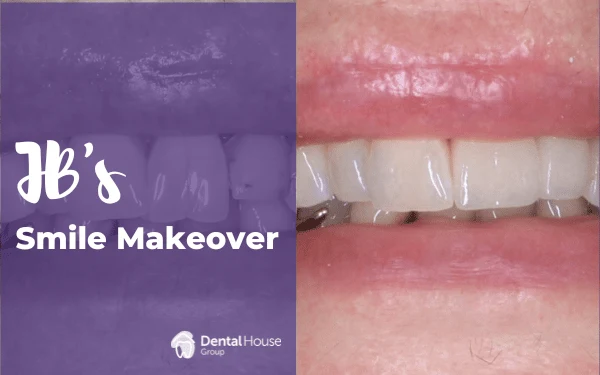
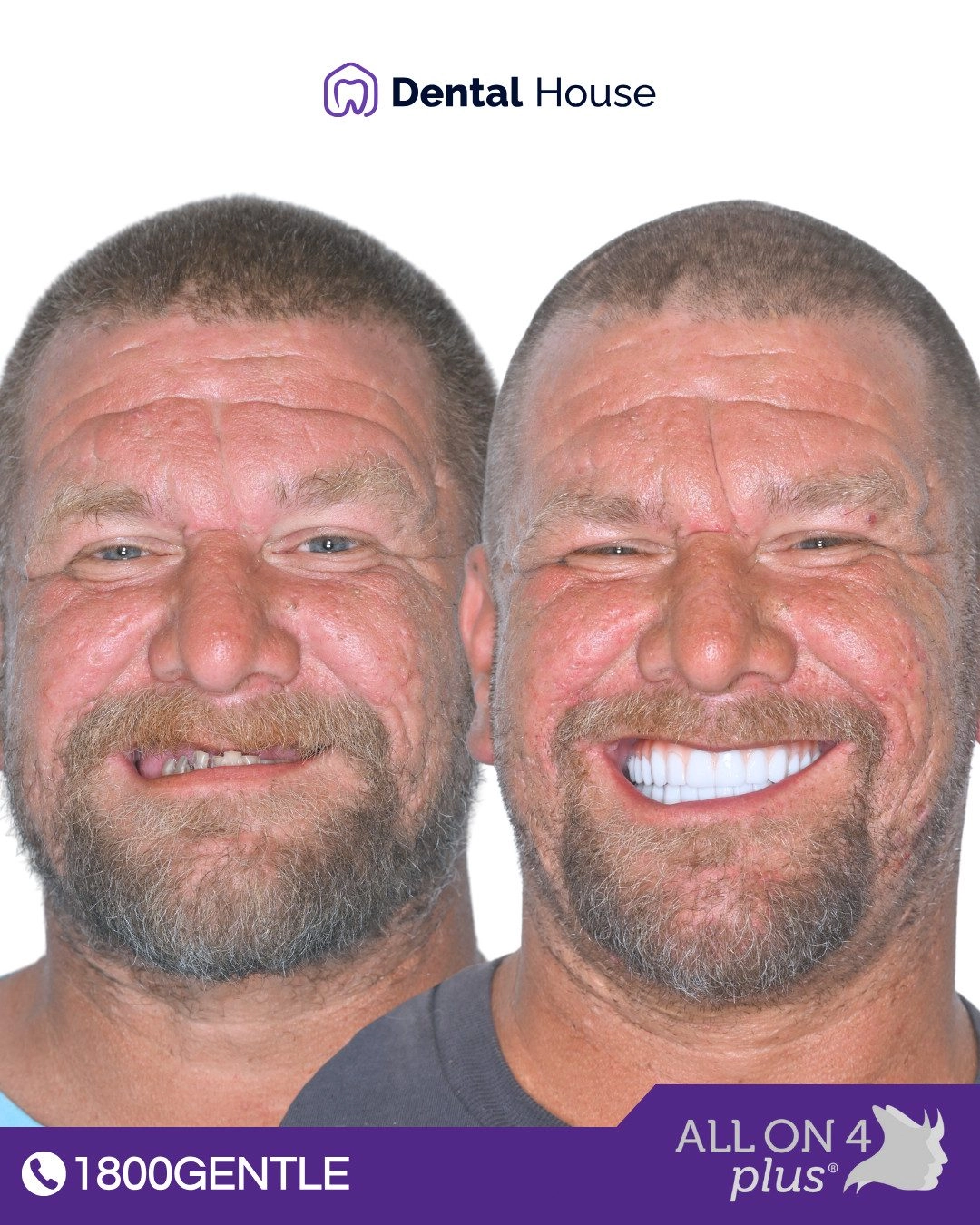
A porcelain bridge was placed to close the anterior gap, with additional veneers on surrounding teeth for aesthetic harmony. Treatment involved preparation of multiple teeth and placement over several appointments.
Individual responses to bridge and veneer treatments vary. Treatment outcomes cannot be guaranteed. Bridges require maintenance of supporting teeth and typically last 10-15 years. Veneers can fracture or debond. Dental implants may be more appropriate alternatives for some missing tooth situations.
Frequently Asked Questions for Bacchus Marsh Area Patients
How does a bridge compare to an implant?
Bridges use adjacent teeth for support, requiring their preparation. Implants replace individual teeth without involving neighbouring teeth. Bridges typically cost less initially but require maintenance of supporting teeth. Implants preserve adjacent teeth but require surgery and longer treatment time.
How long do bridges last?
Bridges typically last 10-15 years, though longevity varies. Success depends on health of supporting teeth, oral hygiene, and bite forces. Supporting teeth can develop decay or structural issues requiring bridge replacement. Regular professional monitoring is essential.