How Effective is Invisalign Combined with Porcelain Veneers in Bacchus Marsh?
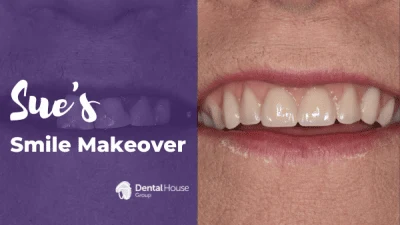
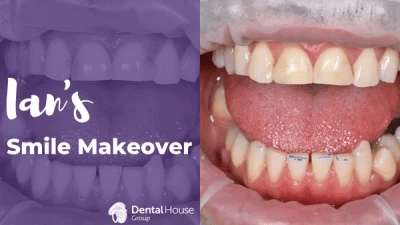
Presenting Clinical Problem
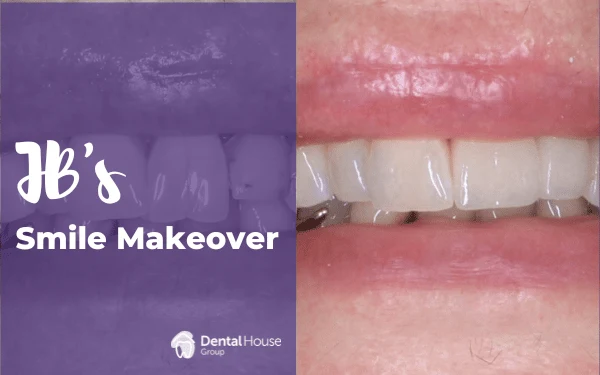
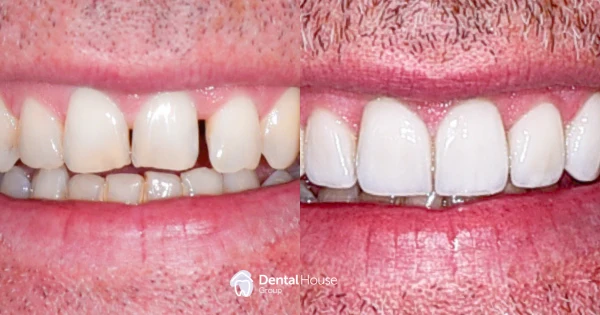
- Multiple spacing between anterior teeth
- Tooth discolouration not responsive to bleaching alone
- Worn incisal edges affecting smile aesthetics
- Uneven tooth dimensions creating visual disharmony
- Primary objective: Improve alignment, close spaces and restore appearance
Treatment Plan & Clinical Process
Phase 1: Orthodontic Alignment
- Comprehensive orthodontic assessment and records
- Invisalign clear aligner system prescribed for tooth movement
- Sequential aligner wear over approximately six months
- Regular monitoring of tooth positioning and tracking
Phase 2: Restorative Planning
- Digital smile design to plan final tooth dimensions
- Shade selection and customisation for porcelain veneers
- Tooth preparation to accommodate veneer placement
- Temporary restorations during laboratory fabrication period
Phase 3: Veneer Placement and Finalisation
- Custom porcelain veneers bonded to prepared tooth surfaces
- Occlusal adjustment to ensure appropriate bite relationship
- Post-placement care instructions and maintenance protocols
Clinical Outcome
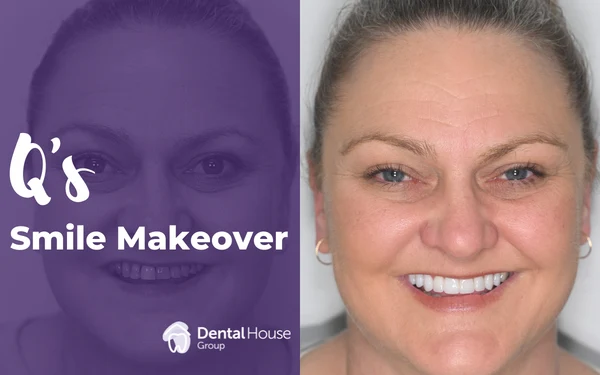
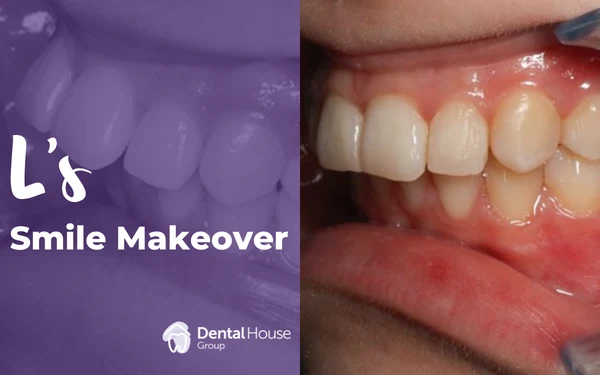
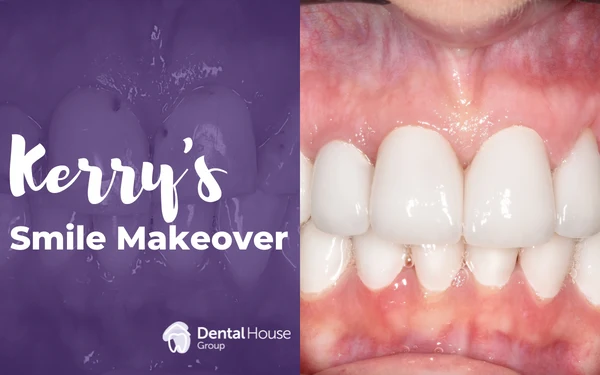
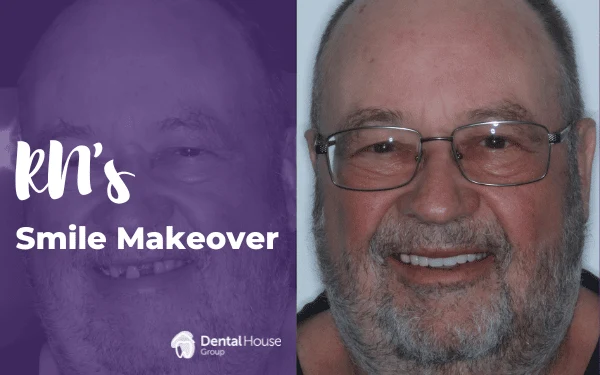
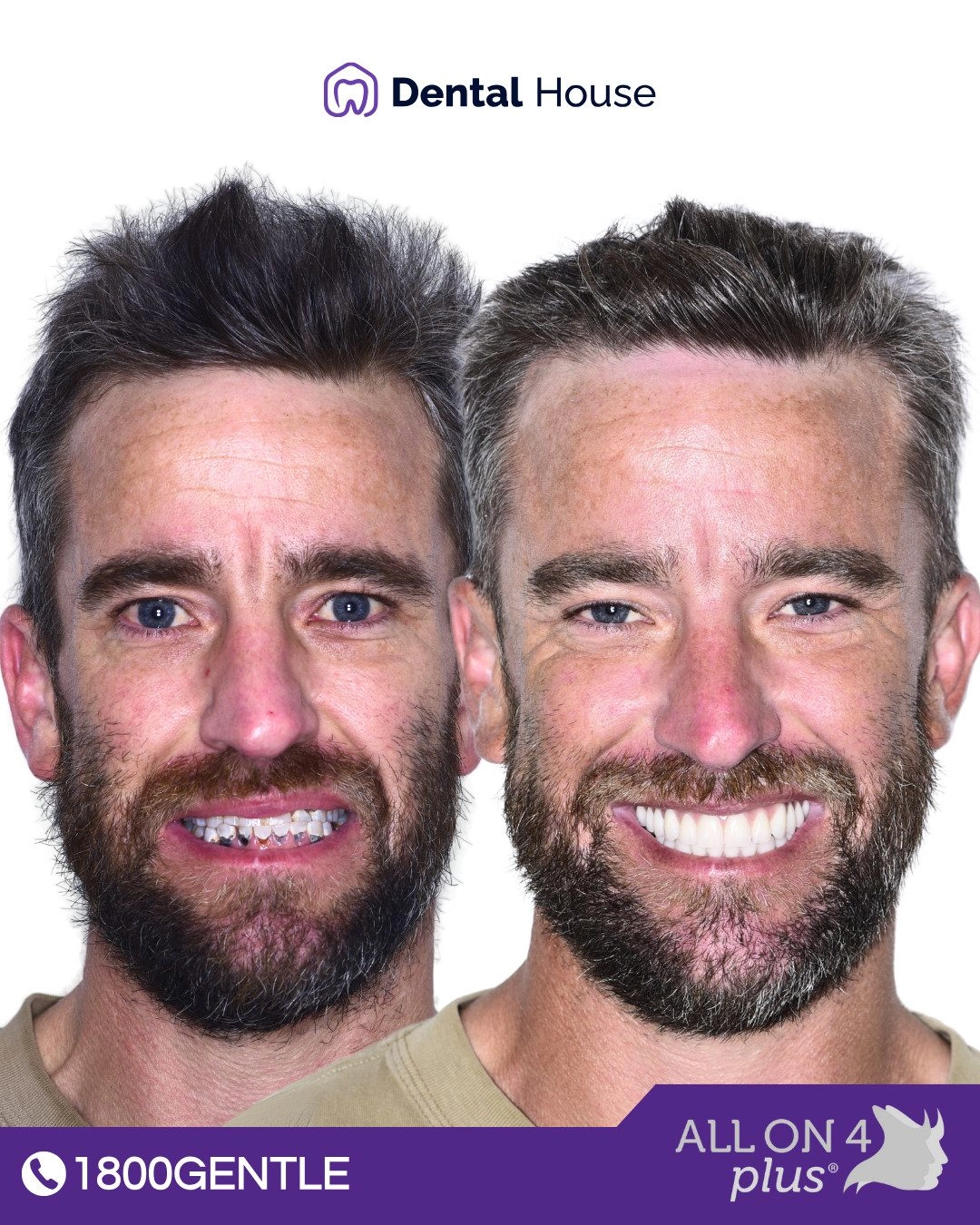
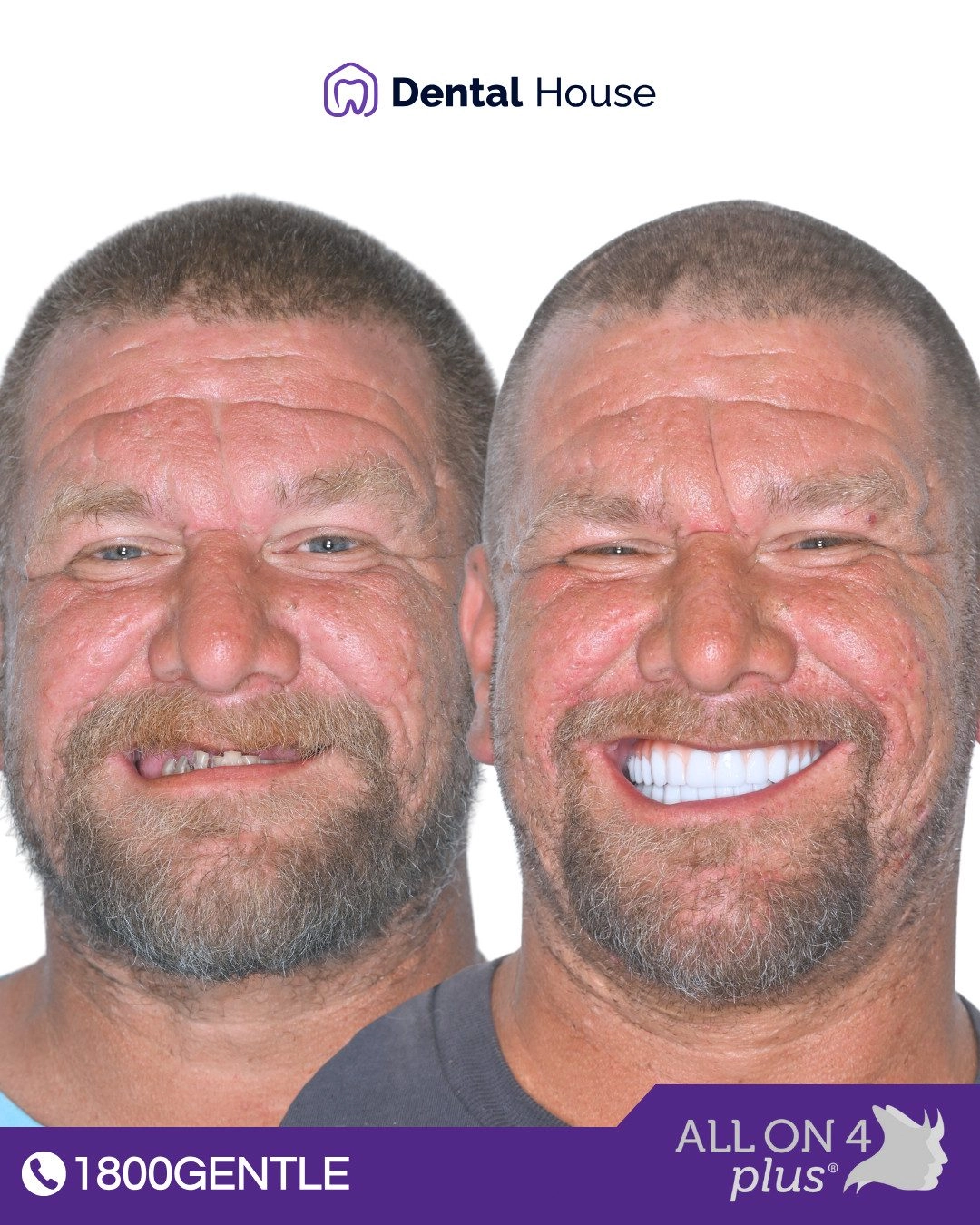
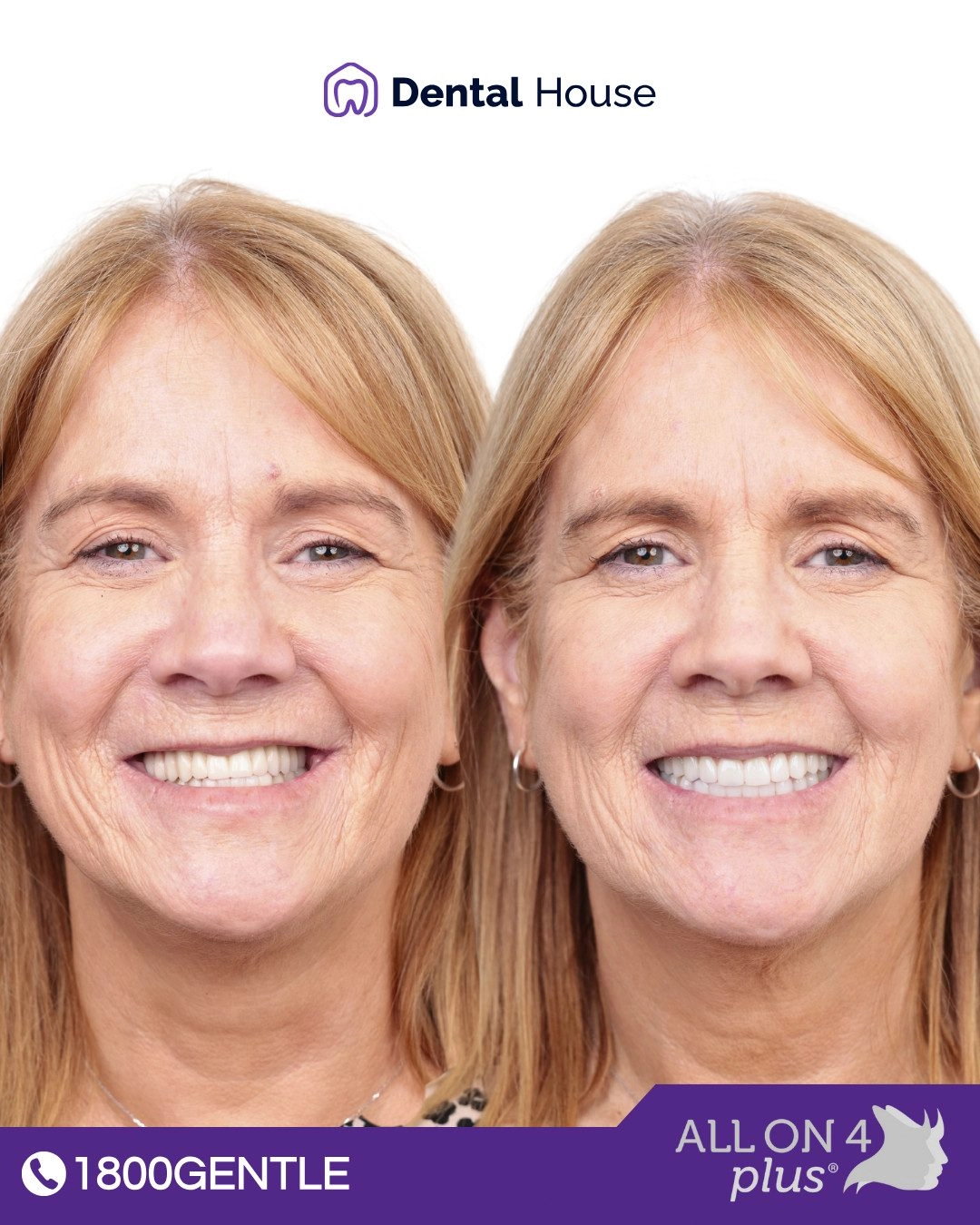
The combination treatment approach involved orthodontic movement to improve tooth positioning, followed by porcelain veneer placement to address shape, colour and proportion concerns. The staged process allowed for more conservative tooth preparation compared to veneers alone on severely malpositioned teeth.
Individual responses to orthodontic and restorative treatments vary significantly. Treatment outcomes cannot be guaranteed, and not all patients achieve the same degree of improvement. Orthodontic movement may cause temporary discomfort, root resorption or relapse if retention protocols are not followed. Porcelain veneers require periodic maintenance, can fracture or debond, and may eventually require replacement. Long-term success depends on appropriate oral hygiene, bite forces and regular professional monitoring.
Frequently Asked Questions for Bacchus Marsh Patients
What are the limitations of porcelain veneers?
Veneers are subject to chipping, staining at margins, debonding and eventual need for replacement (typically 10-15 years, though this varies). They require irreversible tooth preparation in most cases. Not all aesthetic concerns can be fully addressed, particularly severe tooth malposition or discolouration.
Can teeth move again after Invisalign treatment?
Orthodontic relapse is possible if retention protocols are not followed consistently. Lifetime retainer wear (typically at night) is generally recommended to maintain tooth positions. Some minor changes may occur despite retention due to natural ageing processes and other factors.