Can minimal preparation veneers enhance smiles conservatively in Gisborne?
Presenting Clinical Problem
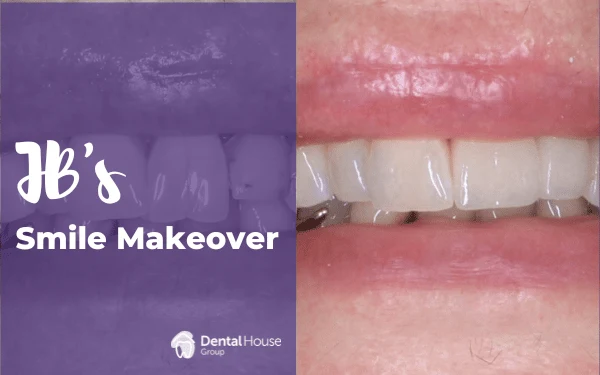
A patient presented seeking conservative aesthetic enhancement following orthodontic treatment whilst preserving natural tooth structure.
- Conservative Enhancement Goals: Desire to improve aesthetics whilst maintaining natural structure
- Minimal Intervention Preferences: Preference for conservative preparation techniques
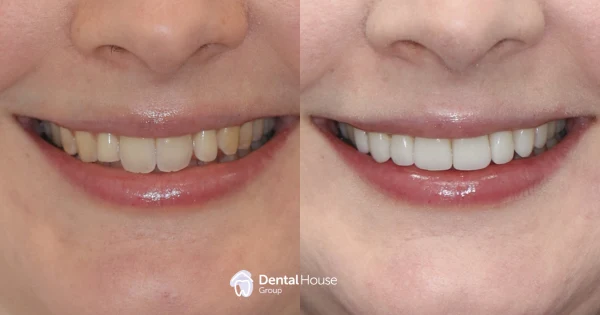
- Colour and Shape Concerns: Discolouration and proportion issues requiring conservative correction
- Structure Preservation Priorities: Need to preserve tooth integrity whilst addressing concerns
The primary clinical objective was to provide aesthetic enhancement through conservative minimal preparation veneers.
Treatment Plan & Clinical Process
A conservative enhancement approach was developed using minimal preparation techniques.
Phase 1: Conservative Assessment: Conservative design systems enabled evaluation of minimal preparation possibilities. Treatment planning emphasised structure preservation whilst addressing aesthetic needs.
Phase 2: Minimal Preparation: Eight anterior teeth were prepared using conservative techniques preserving maximum tooth structure. Preparation depth was minimised where clinically appropriate.
Phase 3: Conservative Restoration: Biocompatible ceramic veneers were fabricated for minimal preparation placement. Treatment over three months prioritised natural structure preservation and tissue integration.
Clinical Outcome
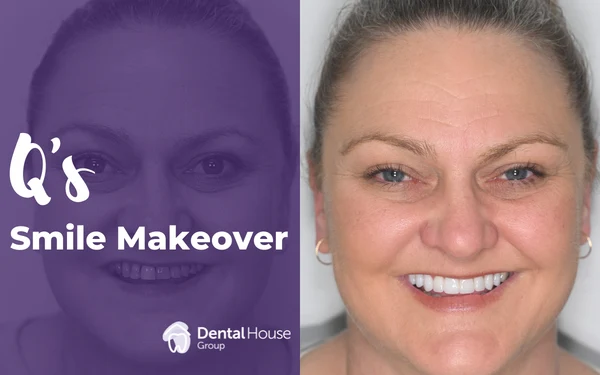
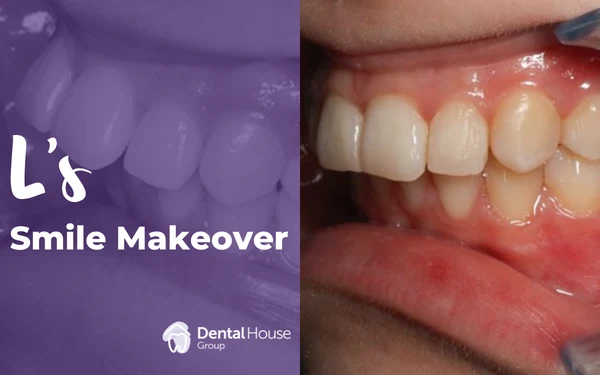
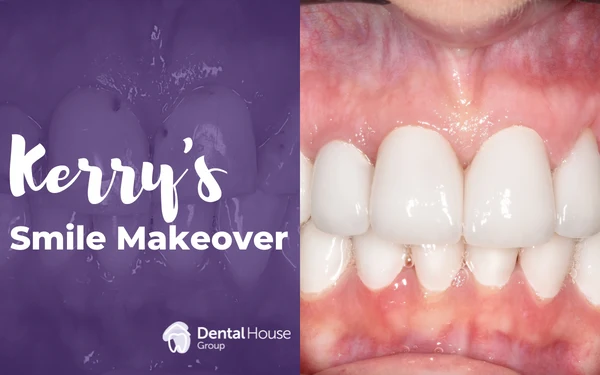
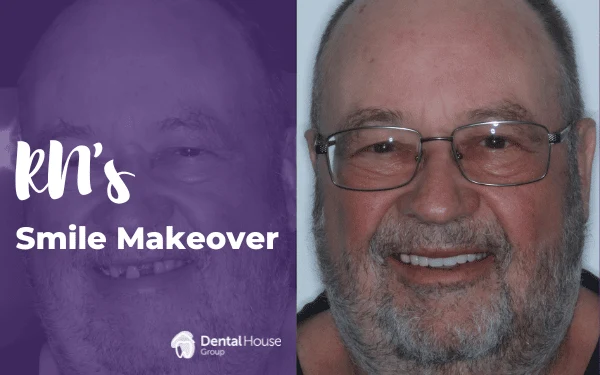
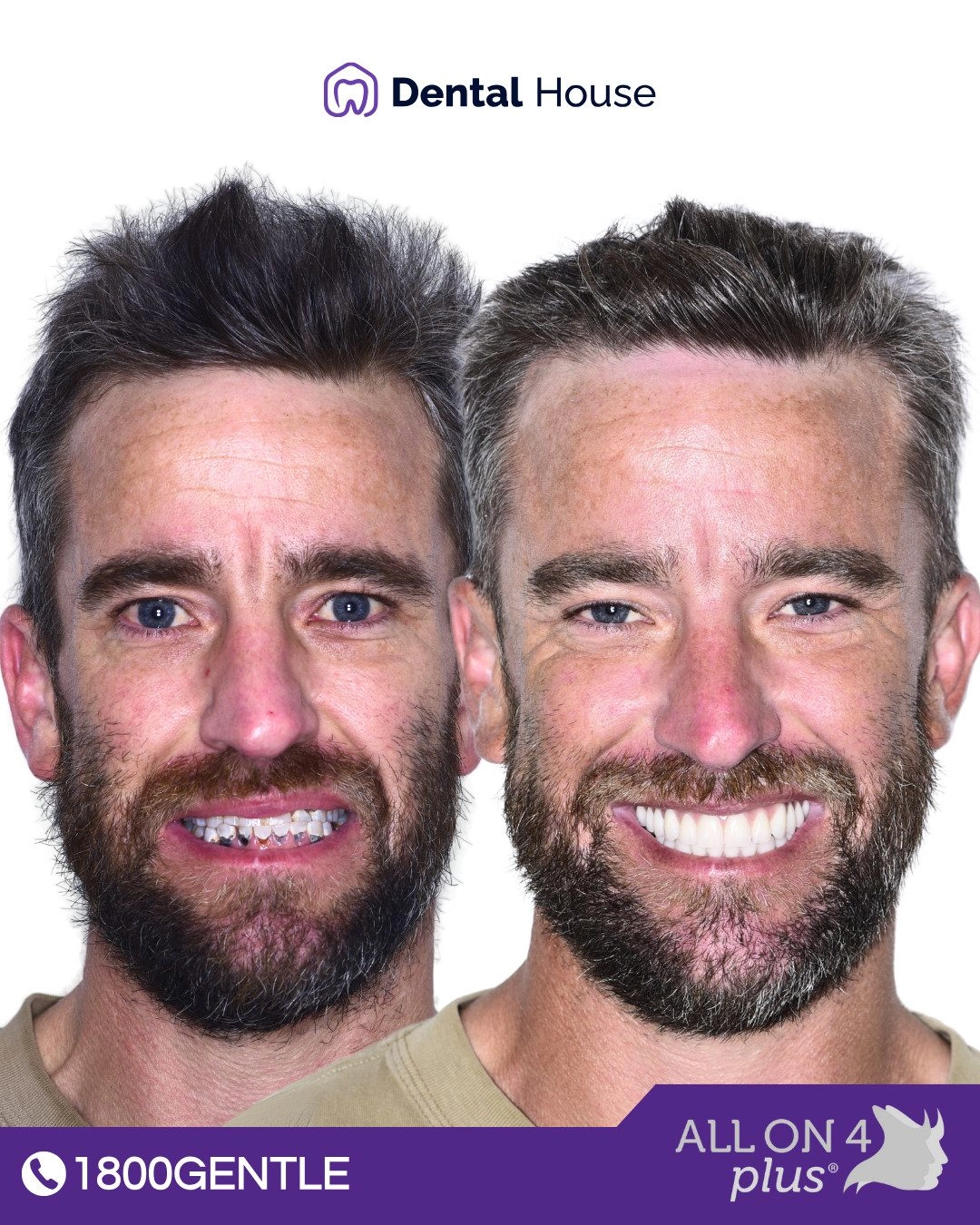
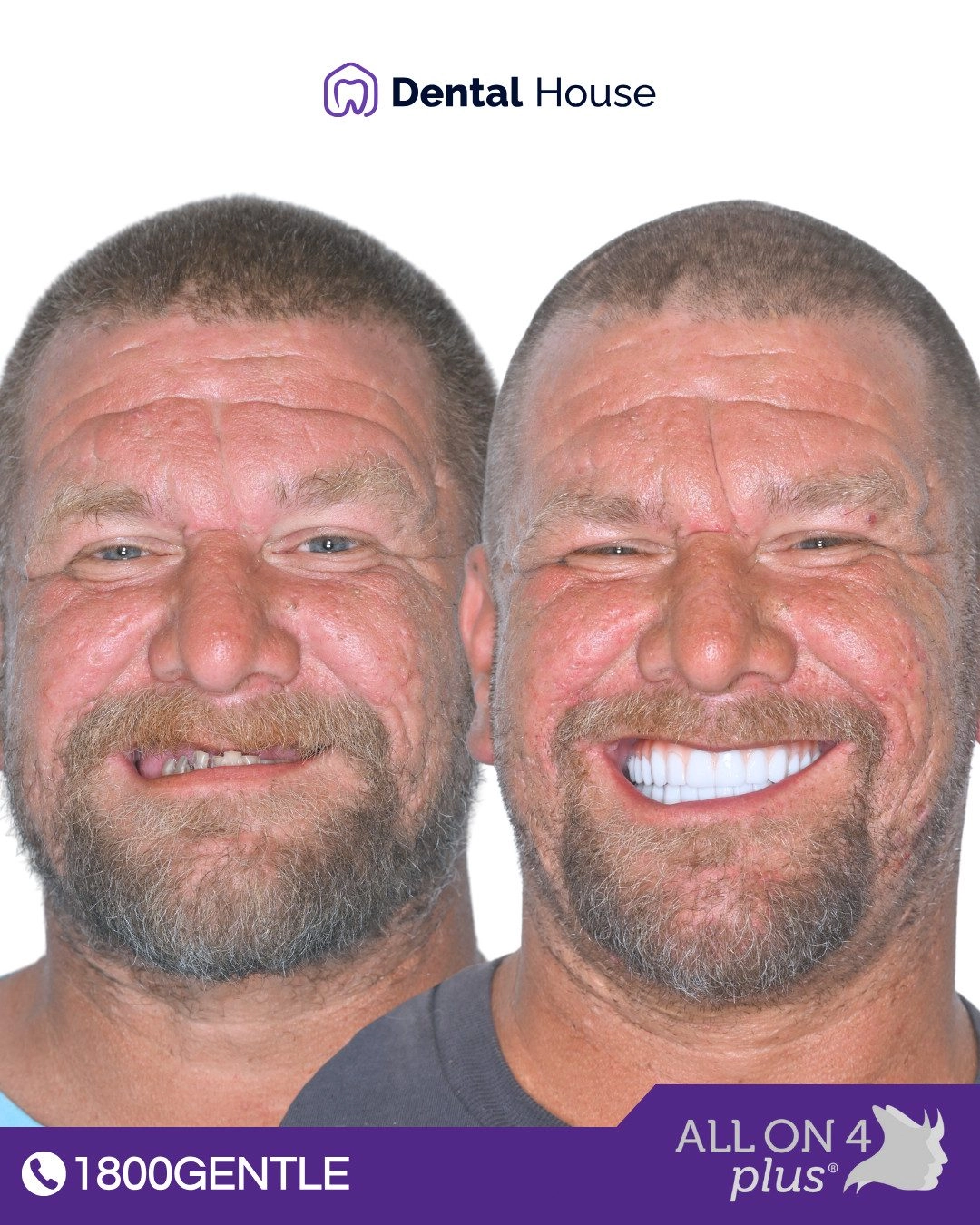
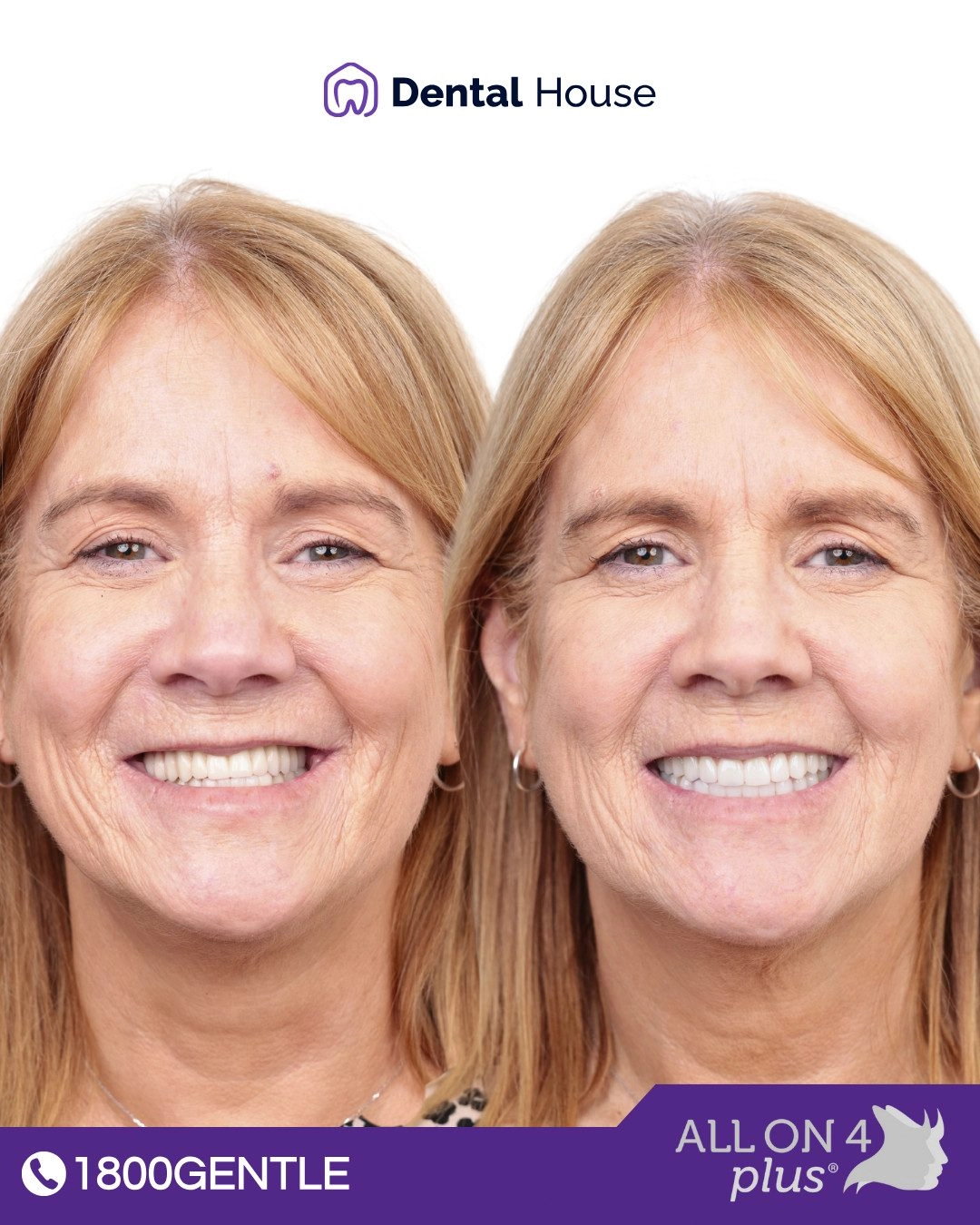
The conservative enhancement addressed aesthetic concerns through minimal preparation veneers. Treatment preserved natural tooth structure whilst improving colour and proportions.
Individual responses to minimal preparation veneers vary significantly. Conservative approaches may have aesthetic limitations compared to conventional preparations. Outcomes depend on appropriate case selection and realistic expectations. Treatment success cannot be guaranteed, and conservative techniques may require additional considerations. Long-term stability depends on structure preservation benefits and appropriate maintenance.
Frequently Asked Questions for Gisborne Patients
Are all cases suitable for minimal preparation veneers?
Not all cases are appropriate for minimal preparation. Factors including existing tooth colour, shape requirements, and structural conditions determine suitability. Conservative approaches require careful case selection.
How do biocompatible ceramics benefit conservative veneers?
Biocompatible ceramics are designed for natural tissue integration, though individual responses vary. Material selection considers conservative preparation requirements and aesthetic goals. Outcomes depend on multiple clinical factors.