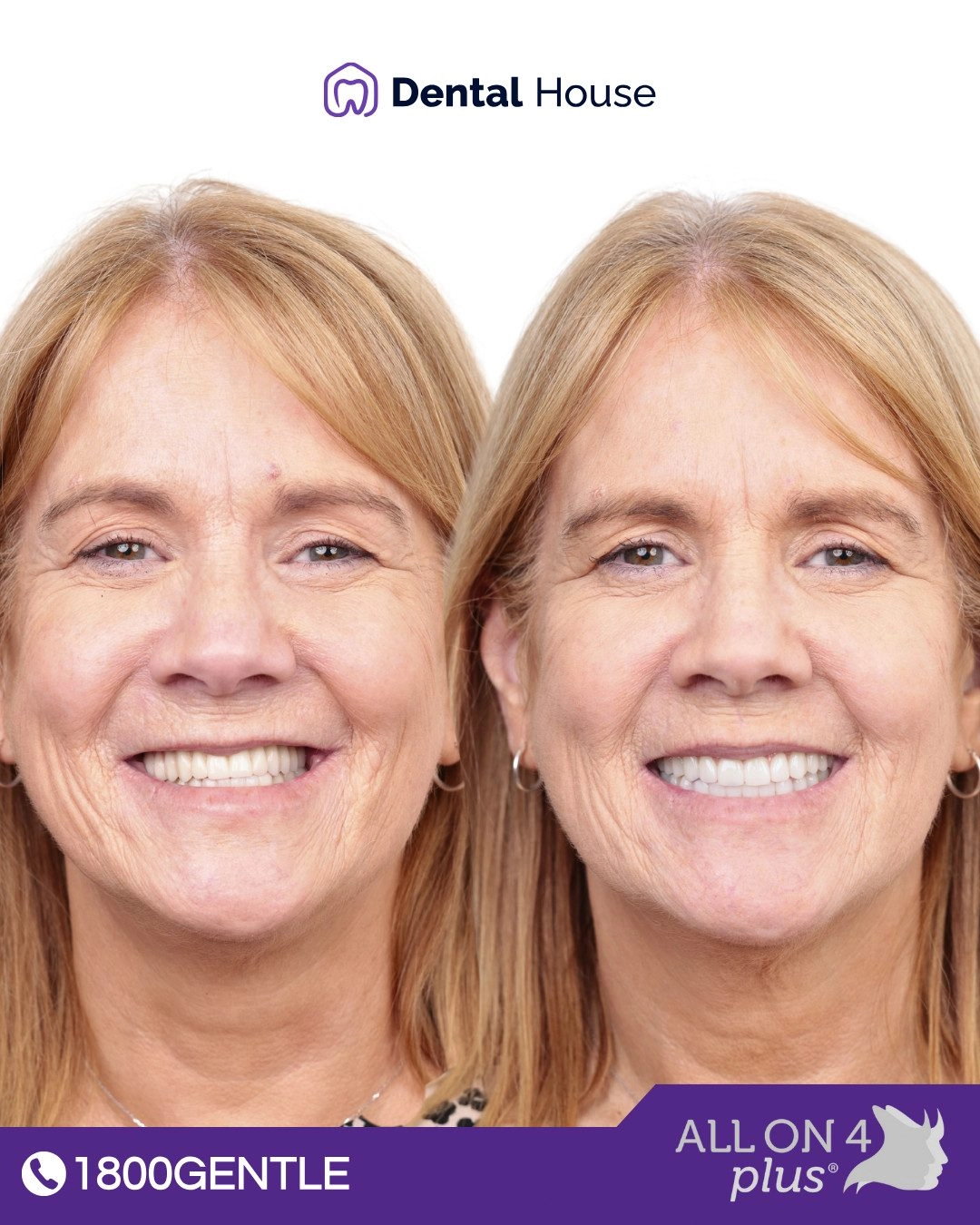
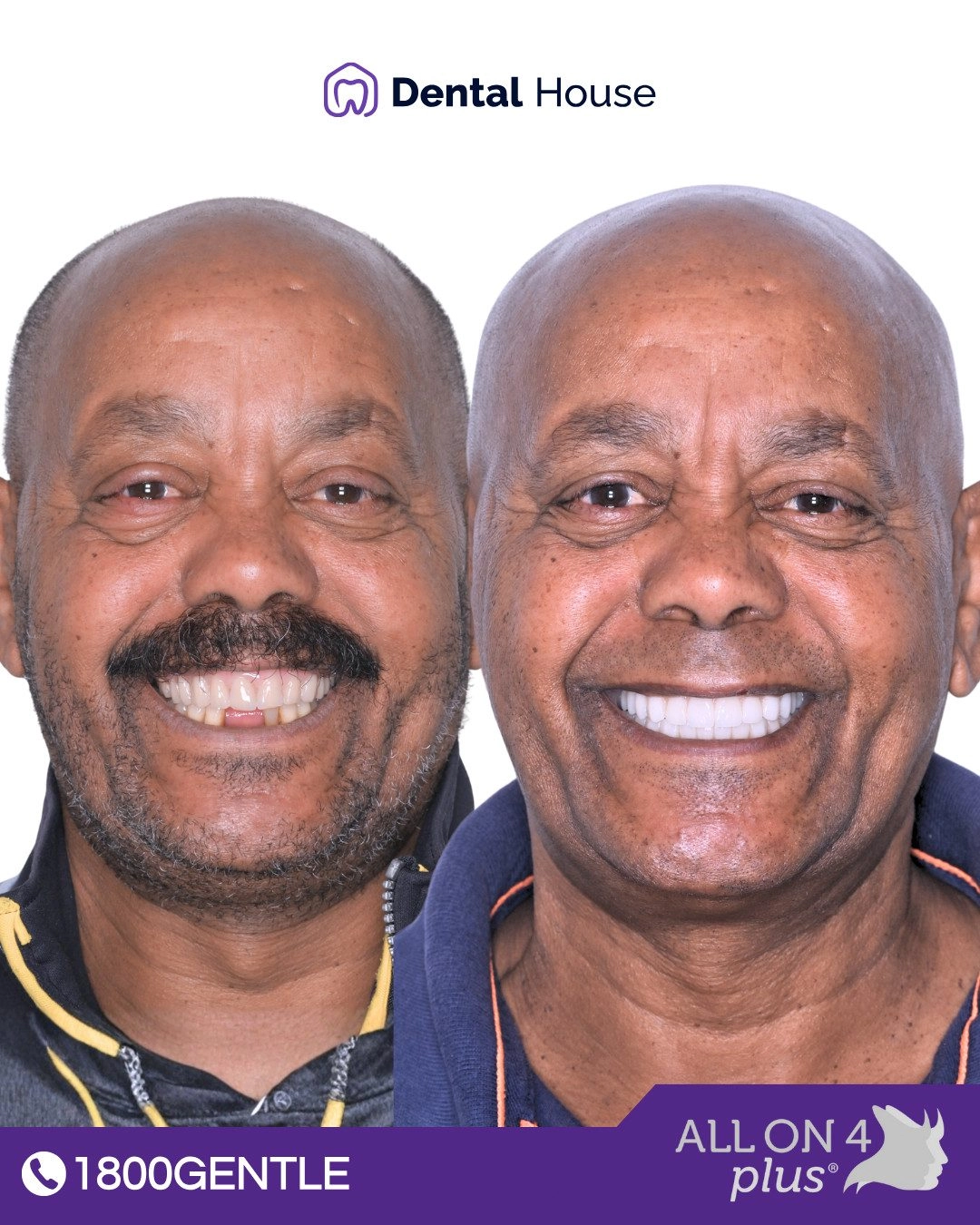
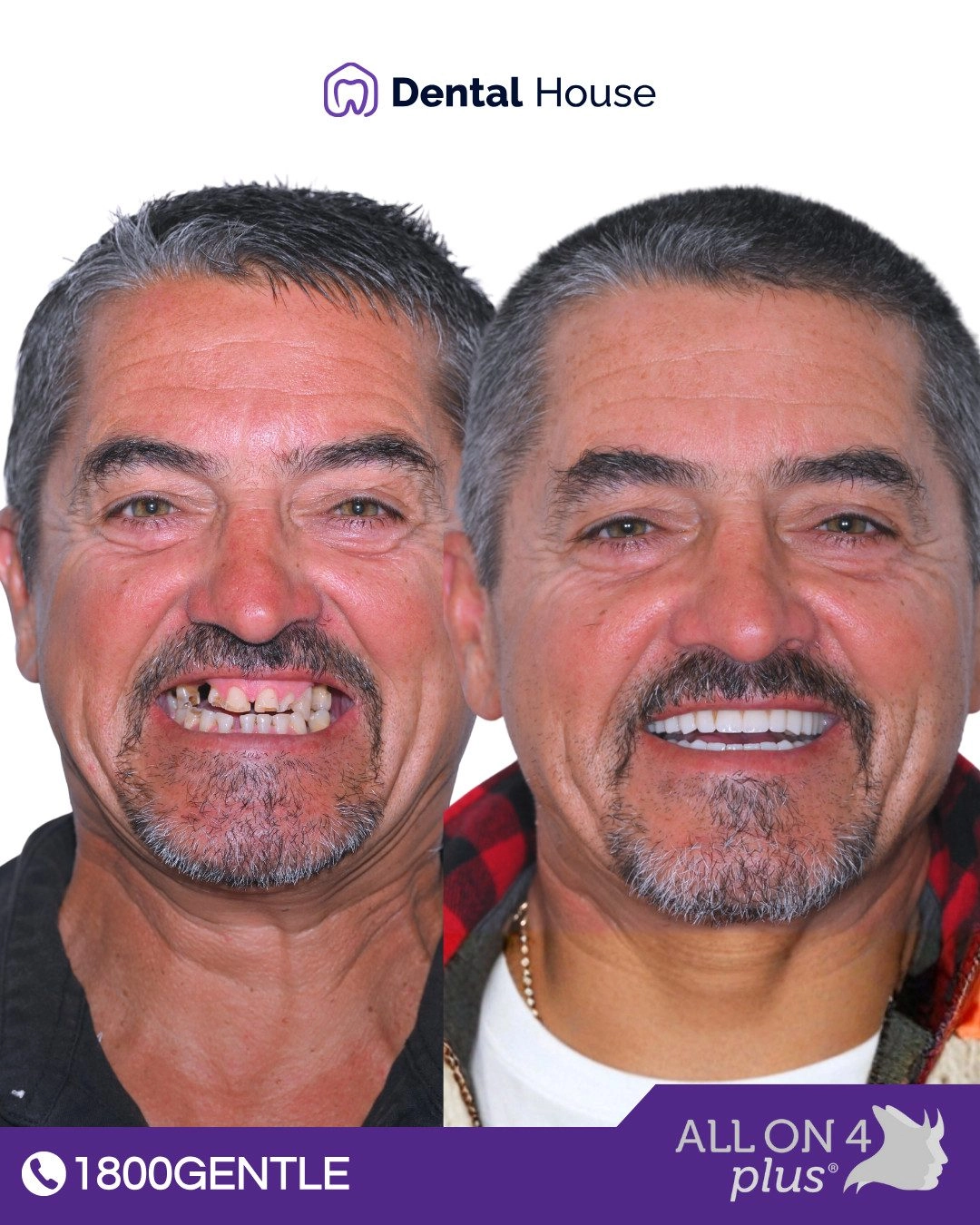
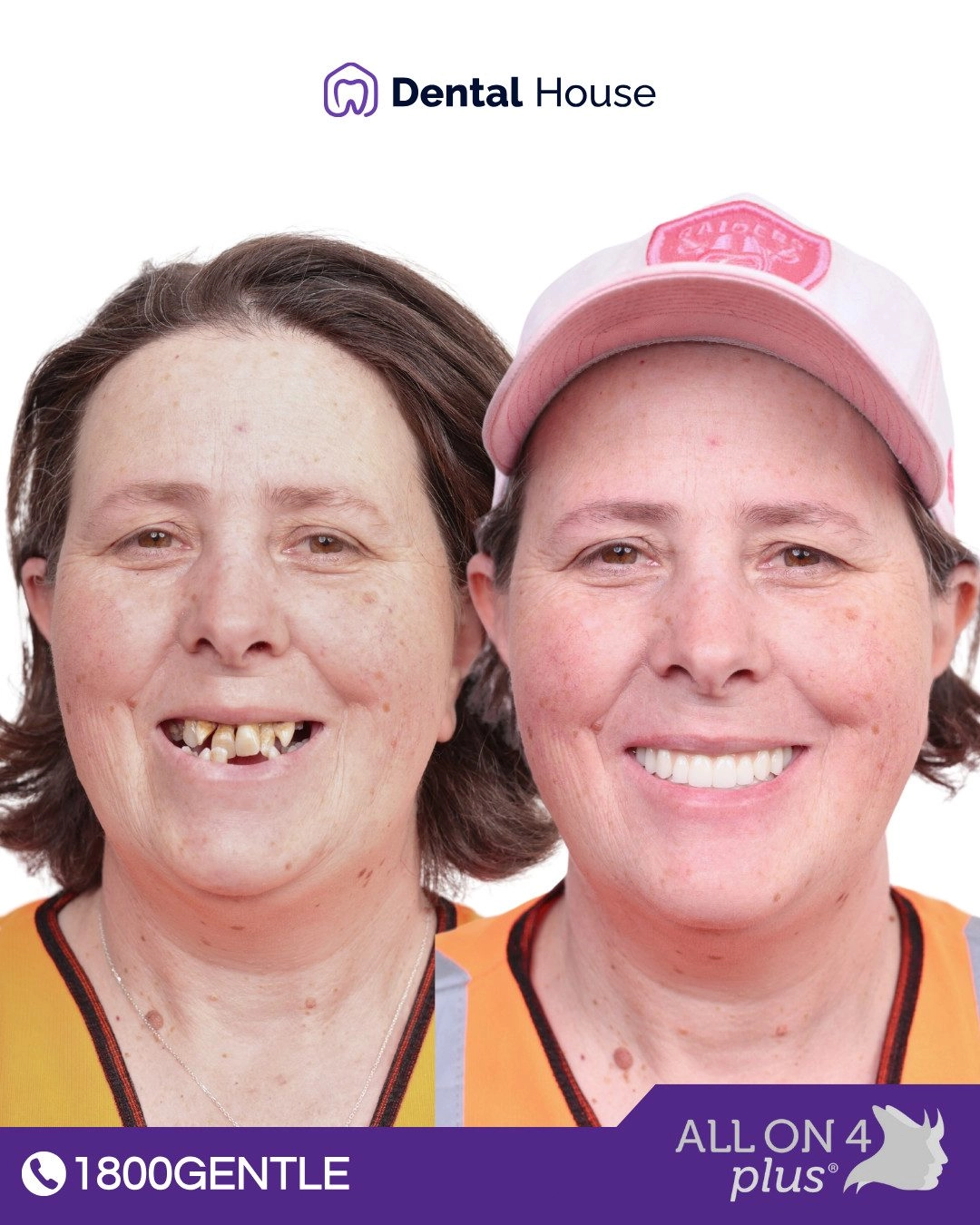
Can conservative full arch restoration preserve tooth structure in Gisborne?
Presenting Clinical Problem
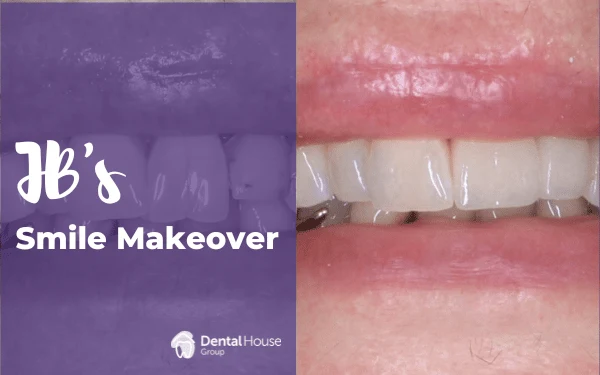
A patient presented with extensive dental concerns seeking conservative restoration approaches that preserve natural tooth structure where possible.
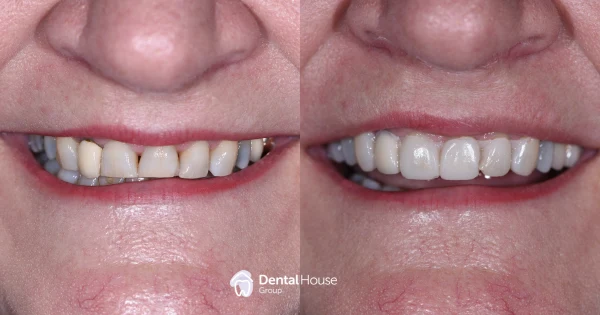
- Extensive Tooth Wear: Advanced wear patterns affecting multiple anterior teeth
- Conservative Treatment Goals: Preference for tooth structure preservation whilst addressing wear
- Multiple Restoration Concerns: Existing crowns requiring replacement using conservative methods
- Natural Structure Priorities: Desire to maintain maximum natural tooth tissue
The primary clinical objective was to address dental wear through conservative restoration methods that preserve tooth structure.
Treatment Plan & Clinical Process
A conservative restoration philosophy guided the development of minimal intervention approaches.
Phase 1: Conservative Assessment: Conservative planning systems enabled evaluation of tooth preservation possibilities. Treatment planning emphasised structure conservation whilst addressing functional and aesthetic needs.
Phase 2: Minimal Preparation: Existing restorations were removed conservatively and minimal tooth preparation completed where clinically appropriate. Preparation protocols prioritised natural structure preservation.
Phase 3: Conservative Restoration: Biocompatible crowns and veneers were placed using minimal preparation techniques. Treatment utilised biocompatible ceramics selected for natural tissue integration and structure preservation.
Clinical Outcome
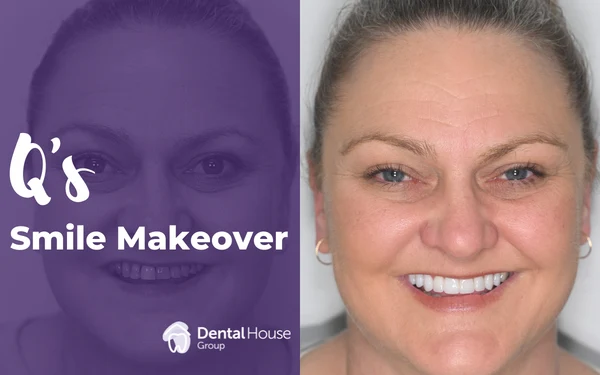
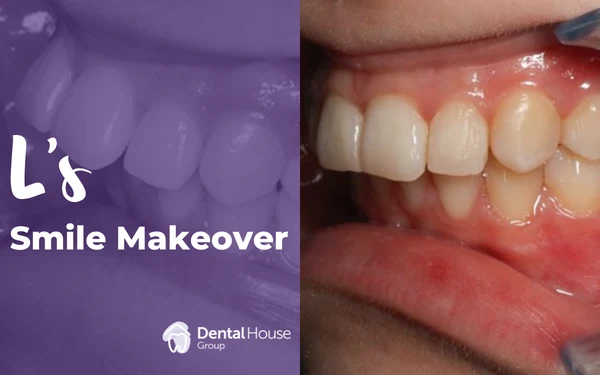
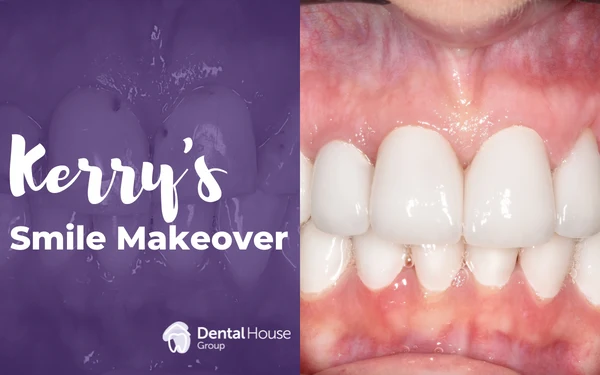
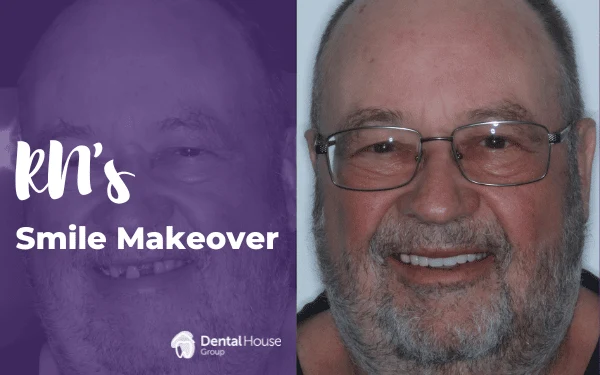
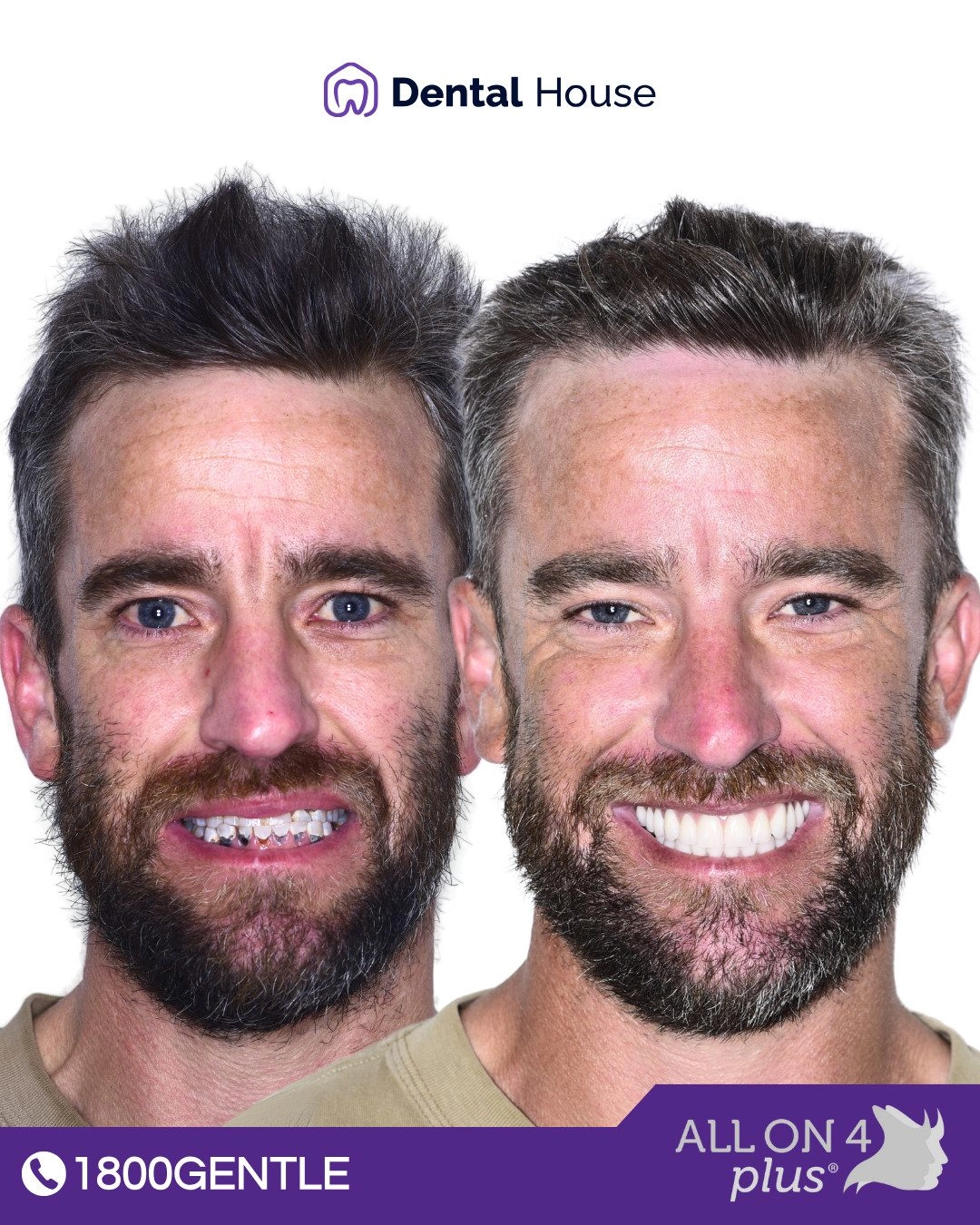
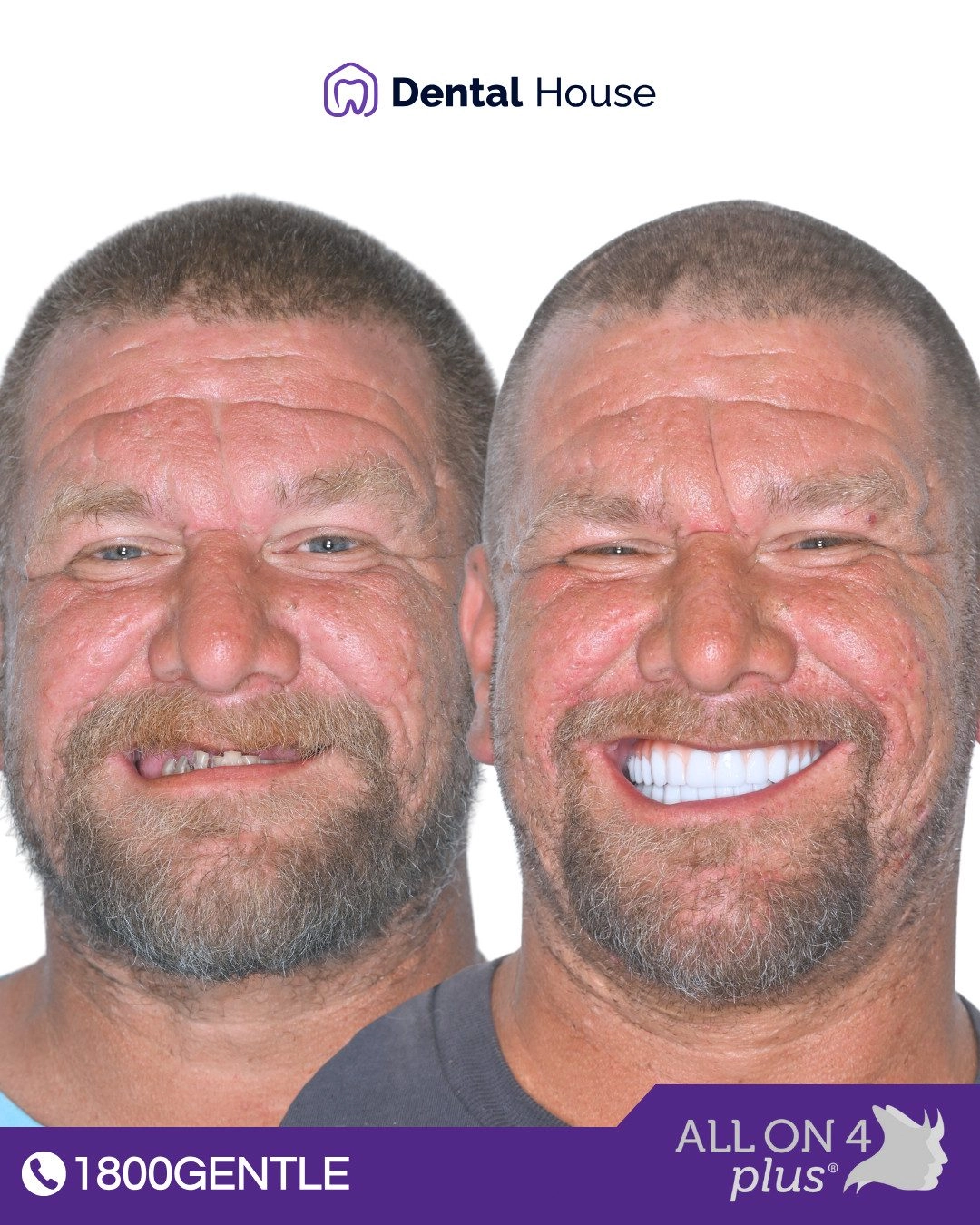
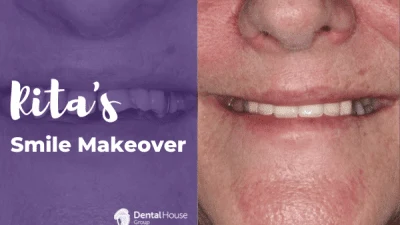
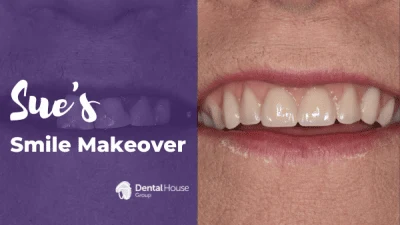
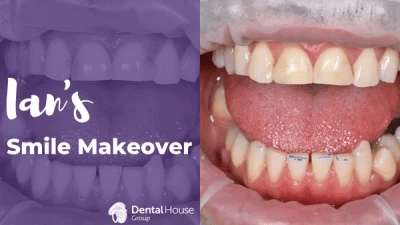
The conservative restoration addressed wear concerns whilst preserving natural tooth structure where clinically possible. Minimal preparation techniques maintained tooth vitality and structural integrity.
Frequently Asked Questions for Gisborne Patients
How do minimal preparation techniques affect restoration longevity?
Minimal preparation may affect retention and longevity compared to conventional preparations in some cases. However, preserving tooth structure offers long-term benefits including maintained vitality and future treatment options. Individual outcomes vary considerably.
What makes biocompatible ceramics different from conventional materials?
Biocompatible ceramics are designed to integrate naturally with oral tissues, though individual responses vary. Material biocompatibility does not guarantee treatment success, and outcomes depend on multiple clinical factors including preparation quality and case selection.