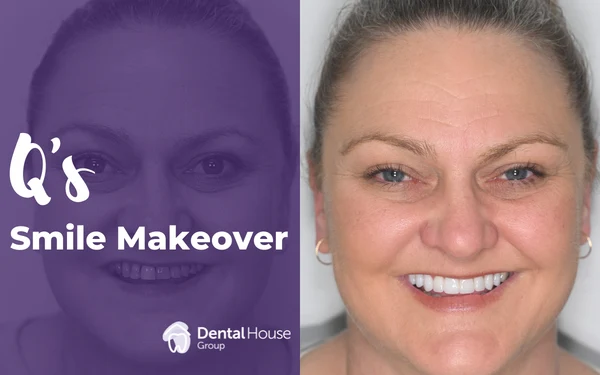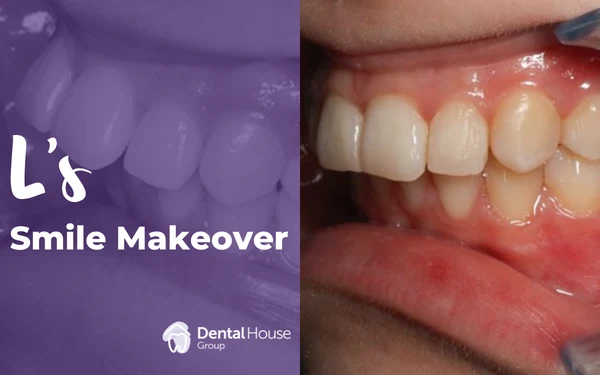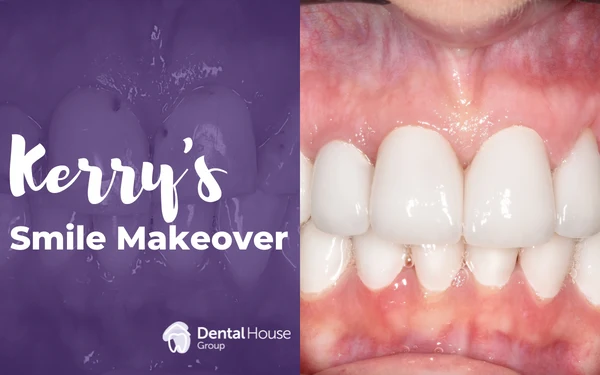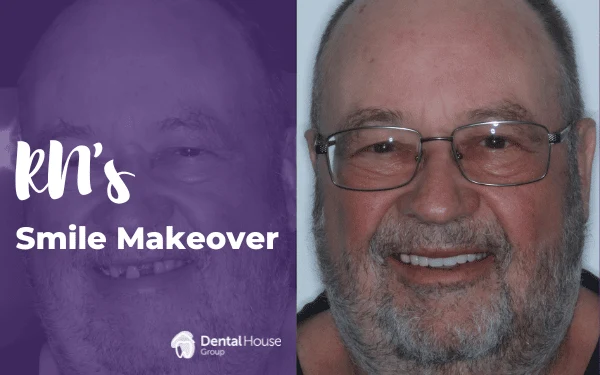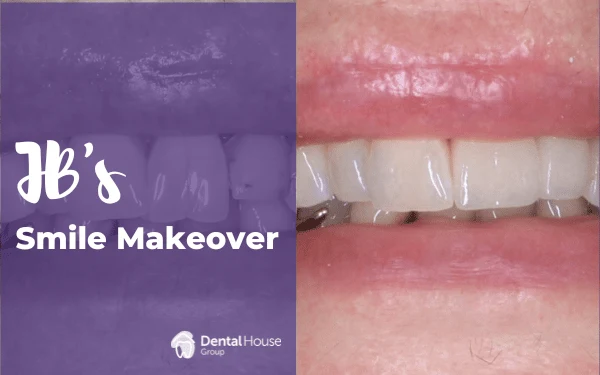
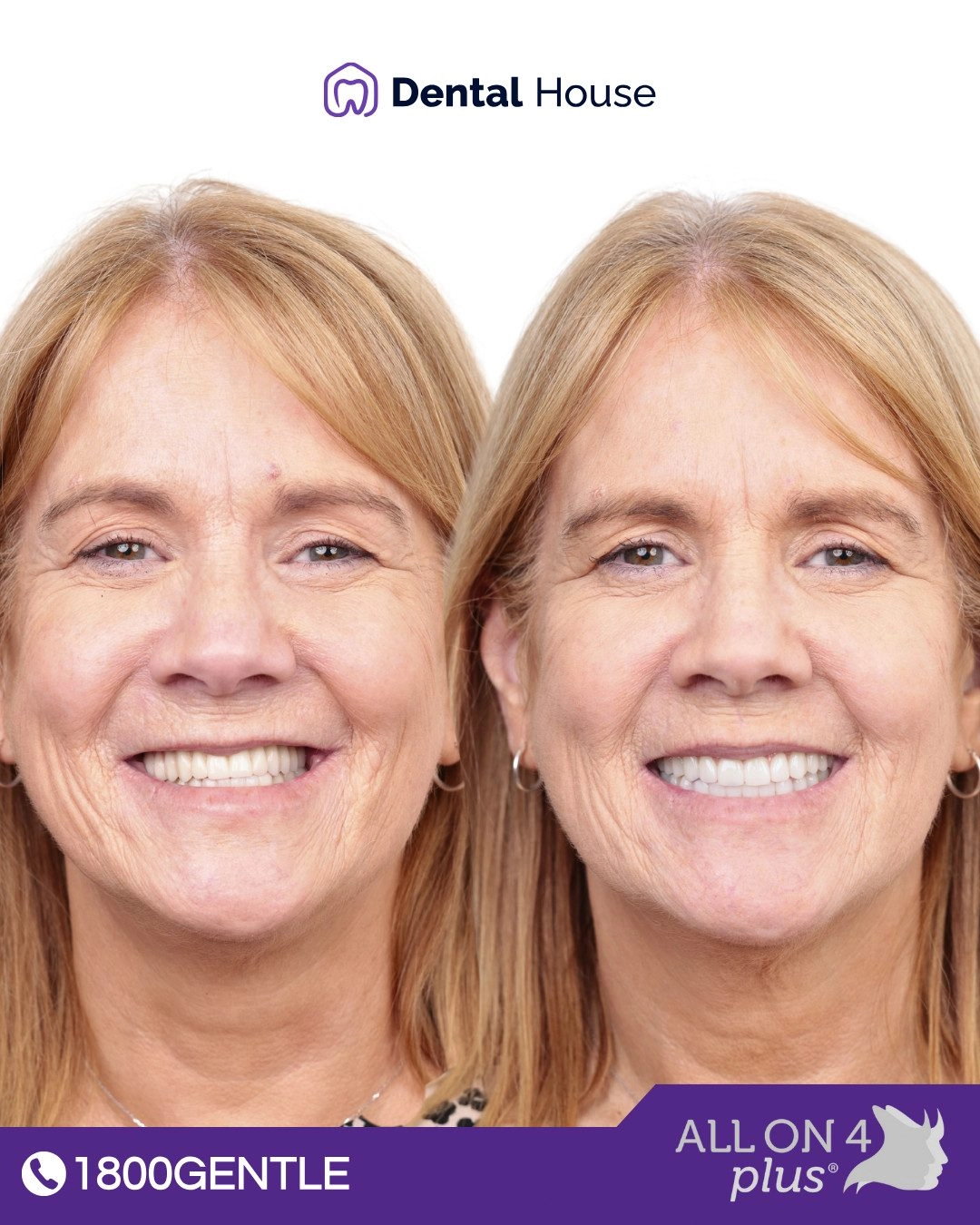
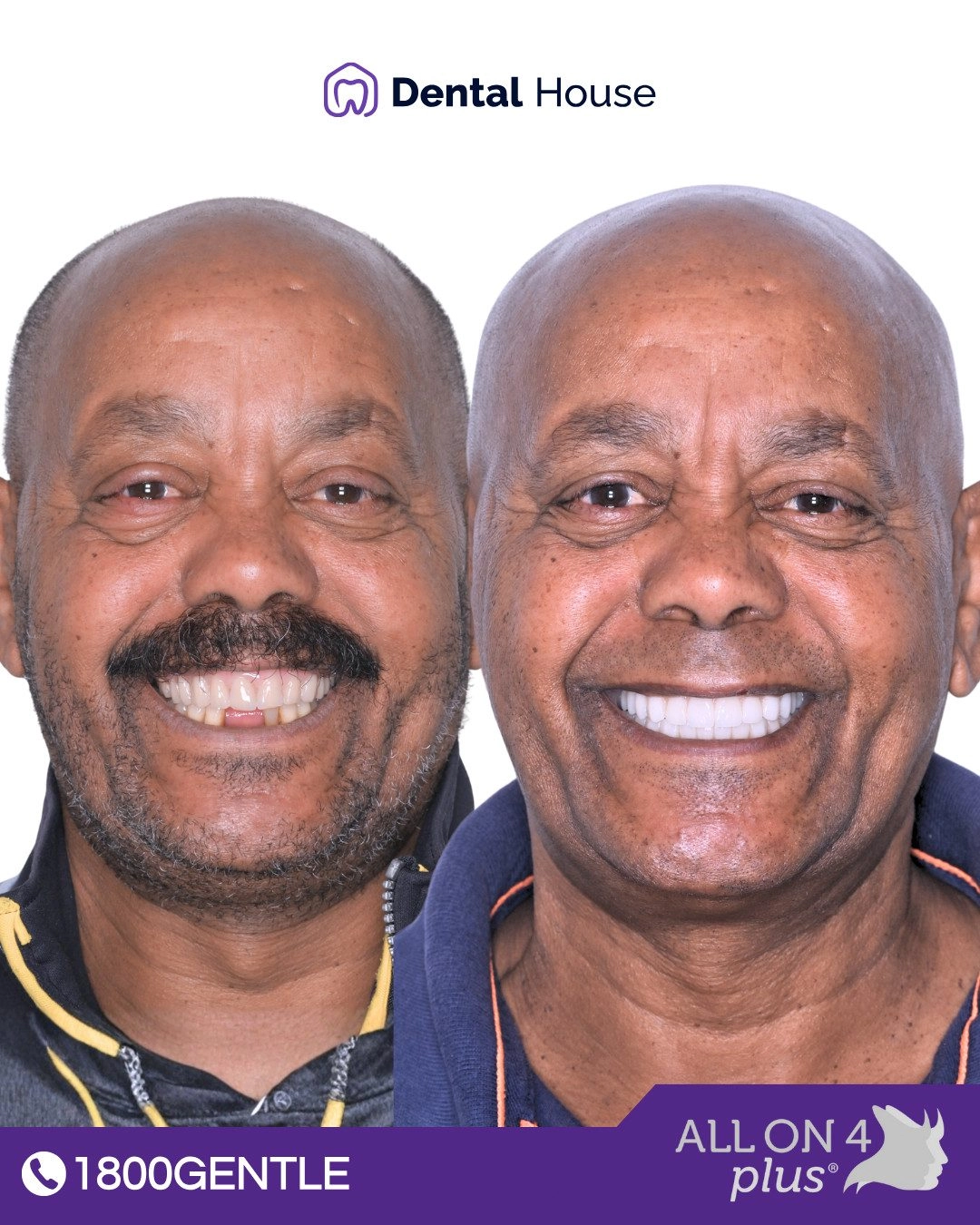
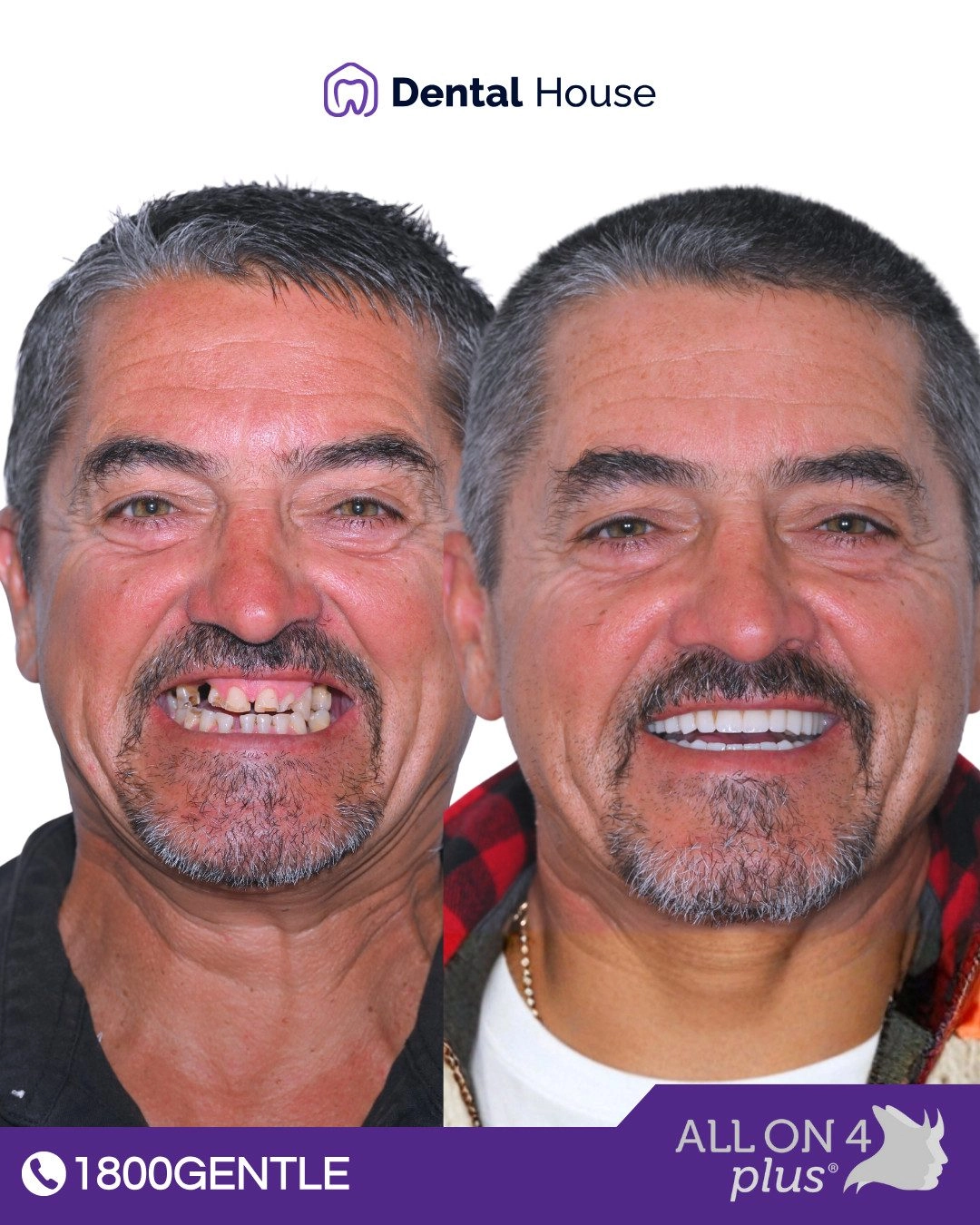
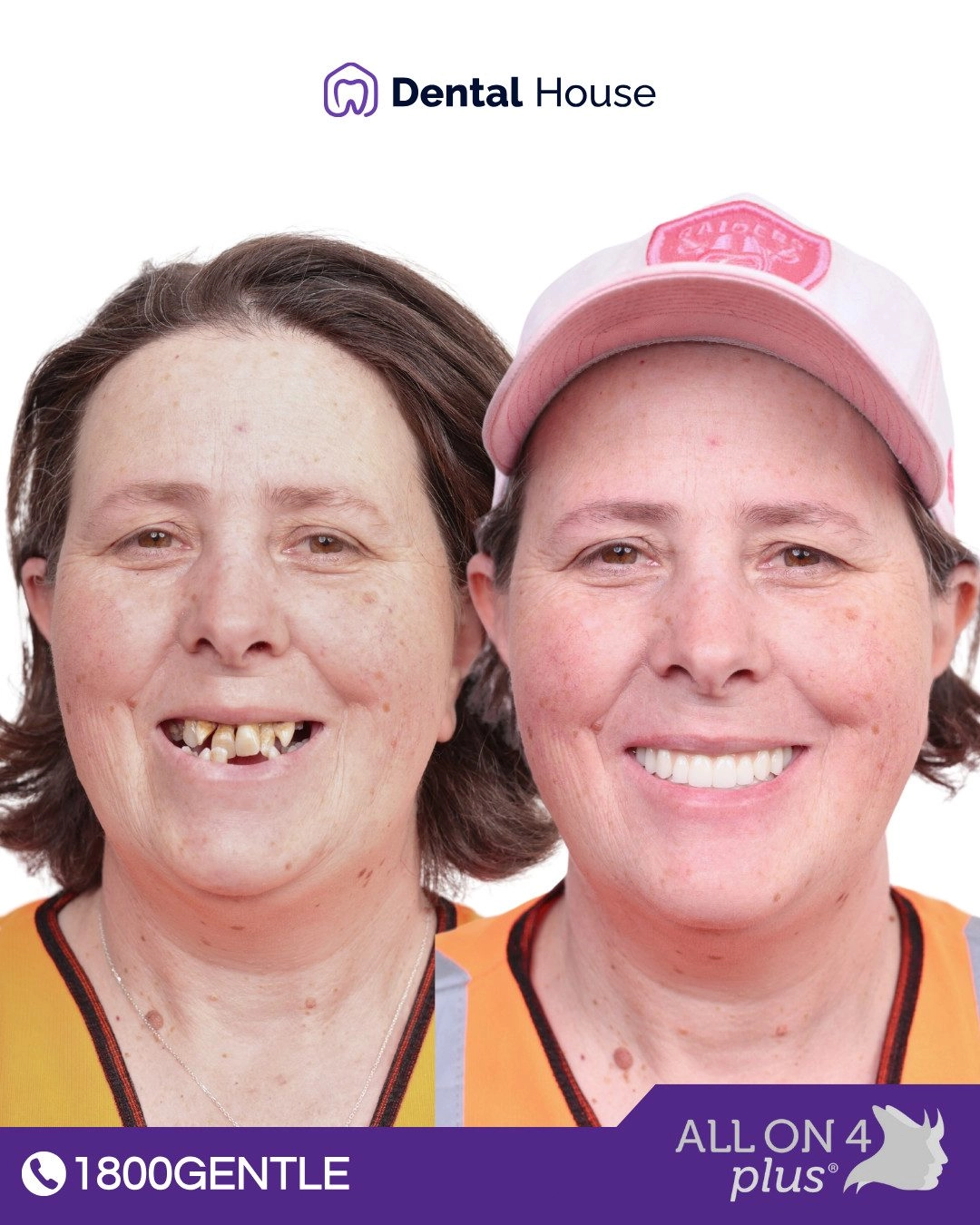
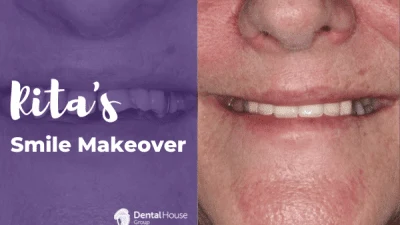
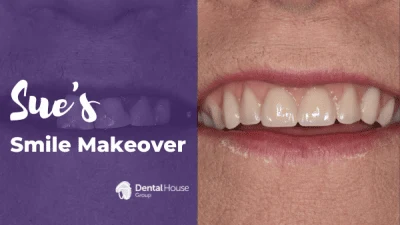
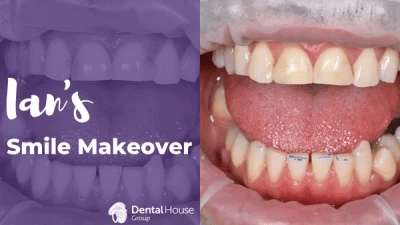
Presenting Clinical Problem
A patient presented seeking conservative approaches to implant and crown restoration whilst preserving natural tooth structure.
- Conservative Implant Goals: Need for implant restoration using conservative methods
- Structure Preservation Priorities: Preference for minimal intervention crown preparations
- Natural Restoration Preferences: Desire for biocompatible materials and conservative techniques
- Coordinated Conservative Treatment: Multiple restorations requiring conservative approaches
The primary clinical objective was to address implant and restoration needs through conservative treatment methods.
Treatment Plan & Clinical Process
A conservative treatment approach was developed emphasising structure preservation and biocompatible materials.
Phase 1: Conservative planning systems evaluated implant restoration needs and natural tooth preservation possibilities. Treatment planning prioritised minimal intervention where appropriate.
Phase 2: Implant crown was addressed using conservative protocols. Natural teeth were prepared conservatively for crown placement preserving maximum structure.
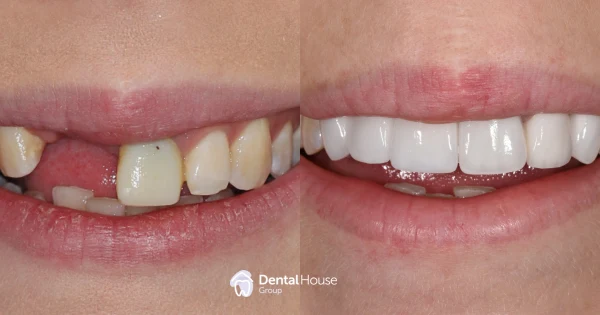
Phase 3: One implant crown and five conservatively prepared crowns were fabricated using biocompatible materials over eight months. Treatment emphasised natural tissue integration.
Clinical Outcome
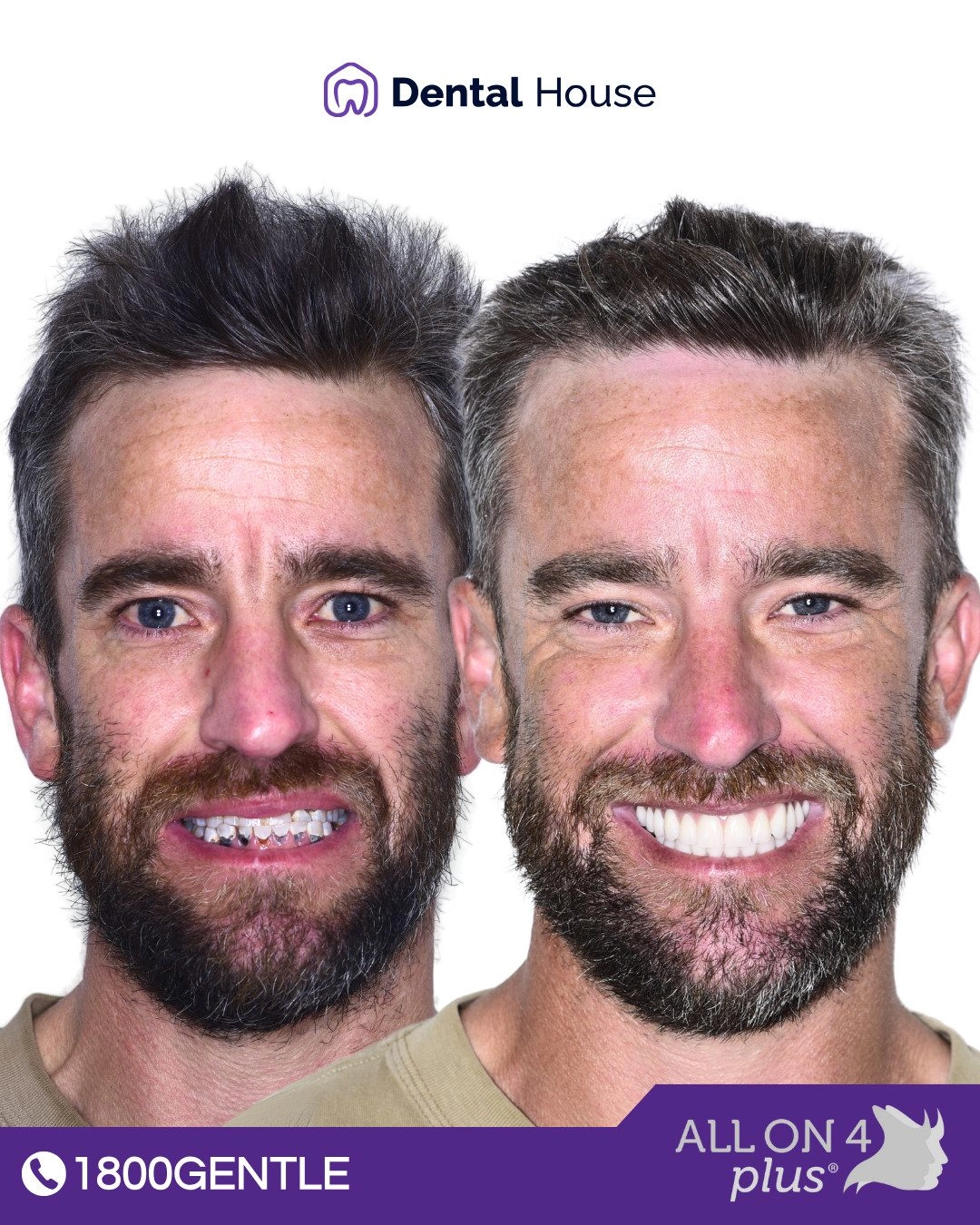
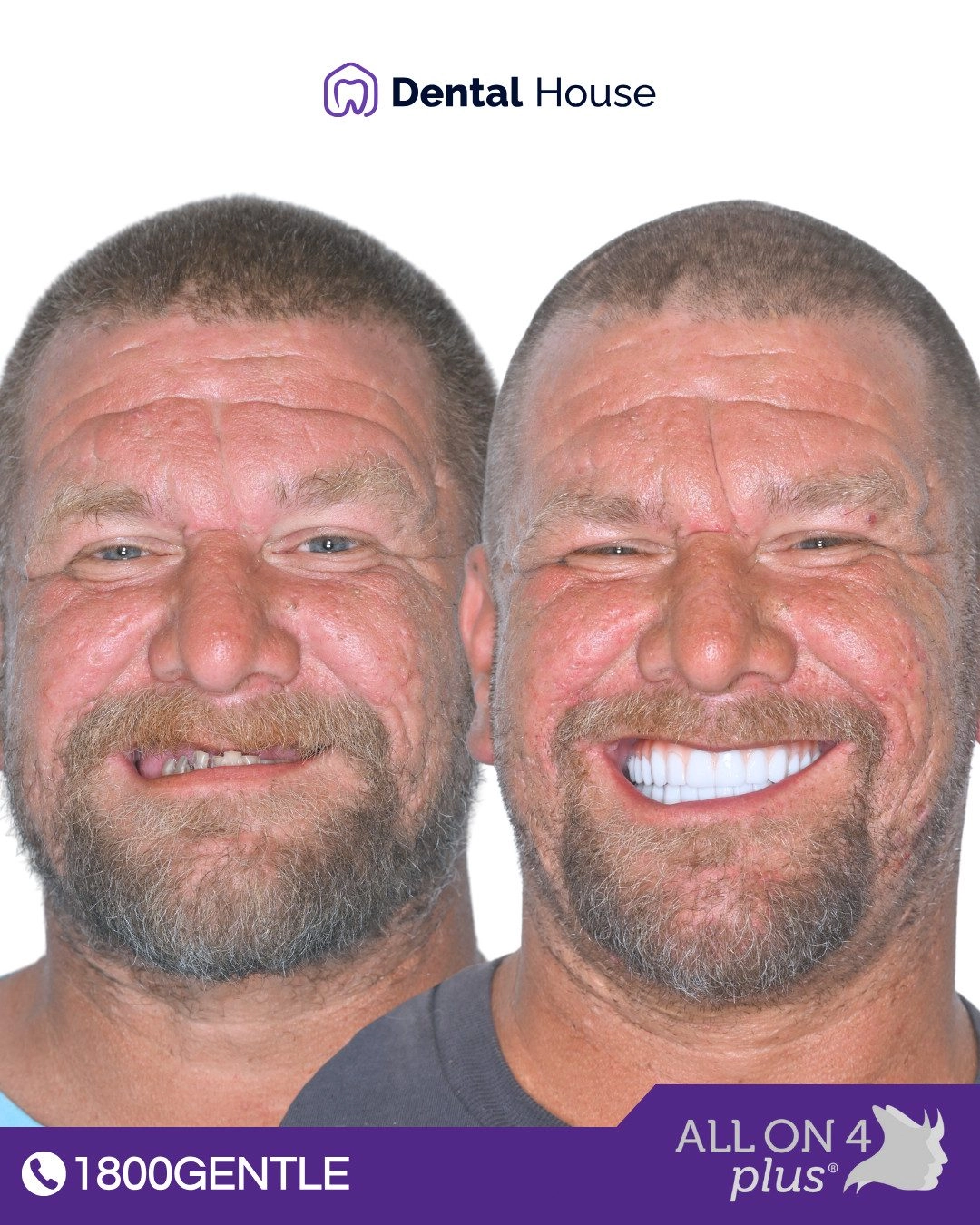
The conservative treatment addressed implant and crown needs whilst preserving natural tooth structure where possible. Conservative approaches maintained tissue integrity and structural preservation.
Individual responses to conservative implant and crown treatment vary significantly. Conservative methods may have limitations compared to conventional techniques. Outcomes depend on appropriate case selection and realistic expectations. Treatment success cannot be guaranteed, and conservative approaches require careful monitoring.
Frequently Asked Questions for Gisborne Patients
What are the benefits of conservative crown preparation?
Conservative preparation preserves natural tooth structure and may maintain vitality. However, aesthetic outcomes may be limited compared to conventional techniques. Individual case assessment determines suitability.
How do biocompatible materials benefit implant and crown treatment?
Biocompatible materials are designed for natural tissue integration, though individual responses vary. Material selection considers conservative treatment goals and long-term performance requirements.