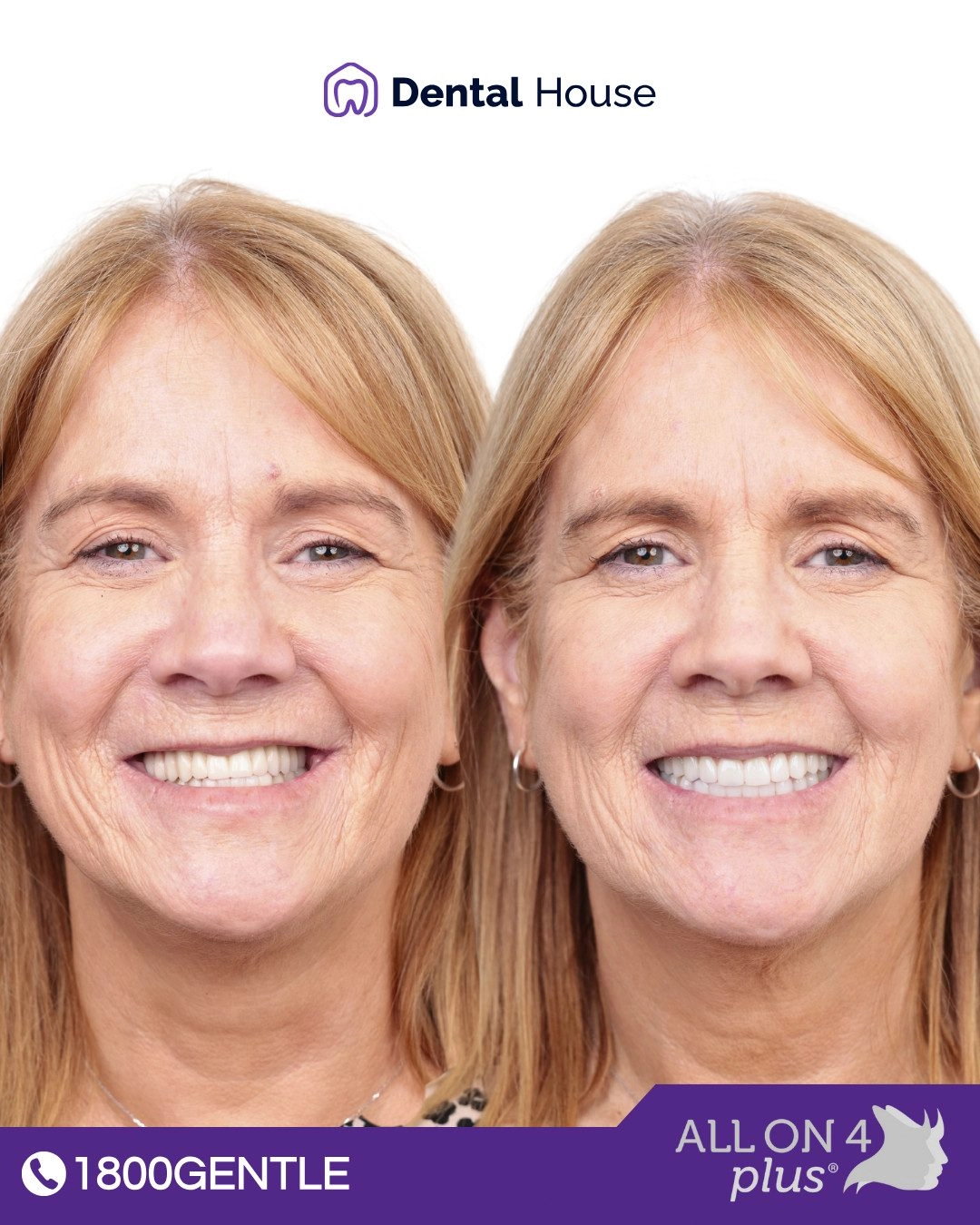
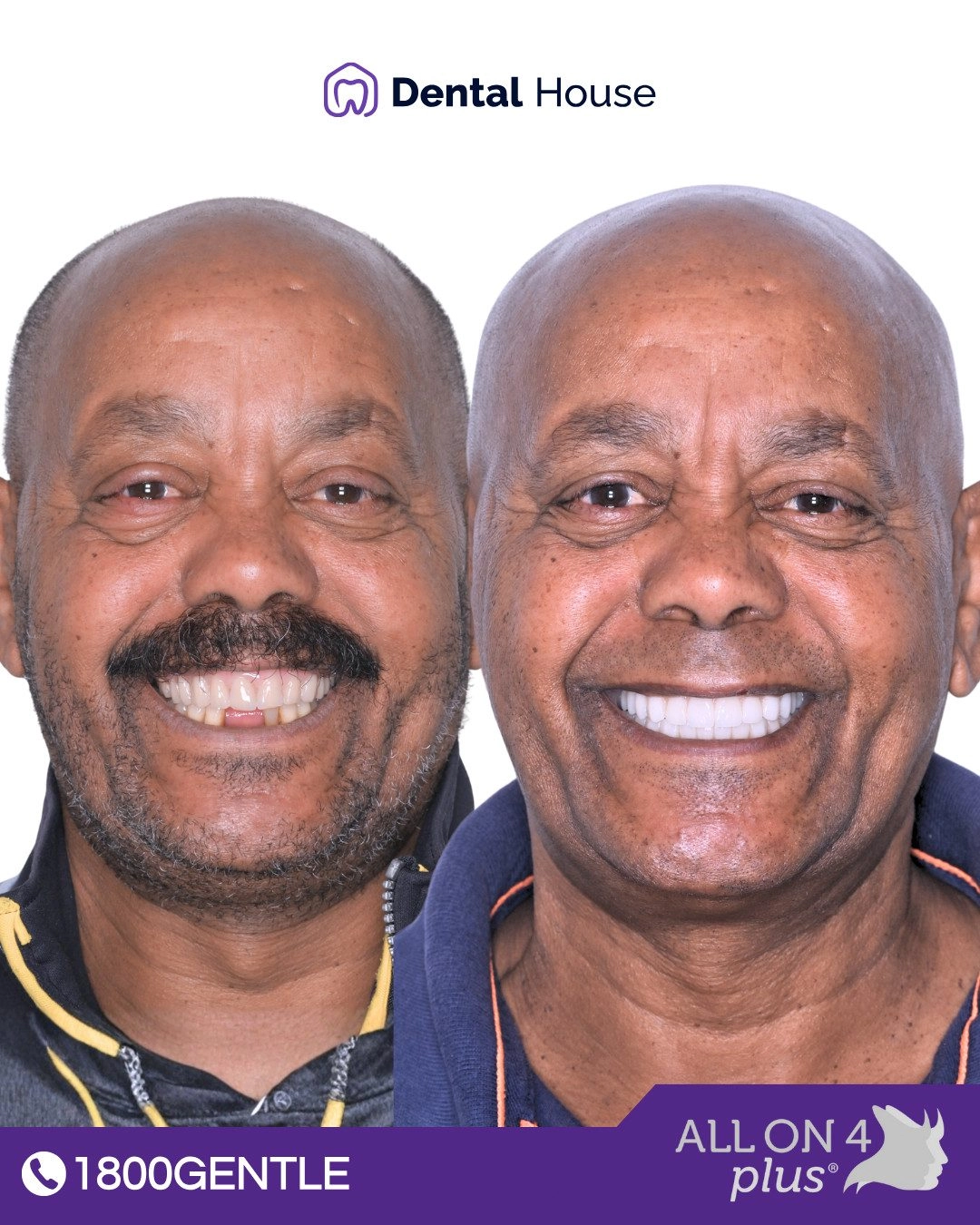
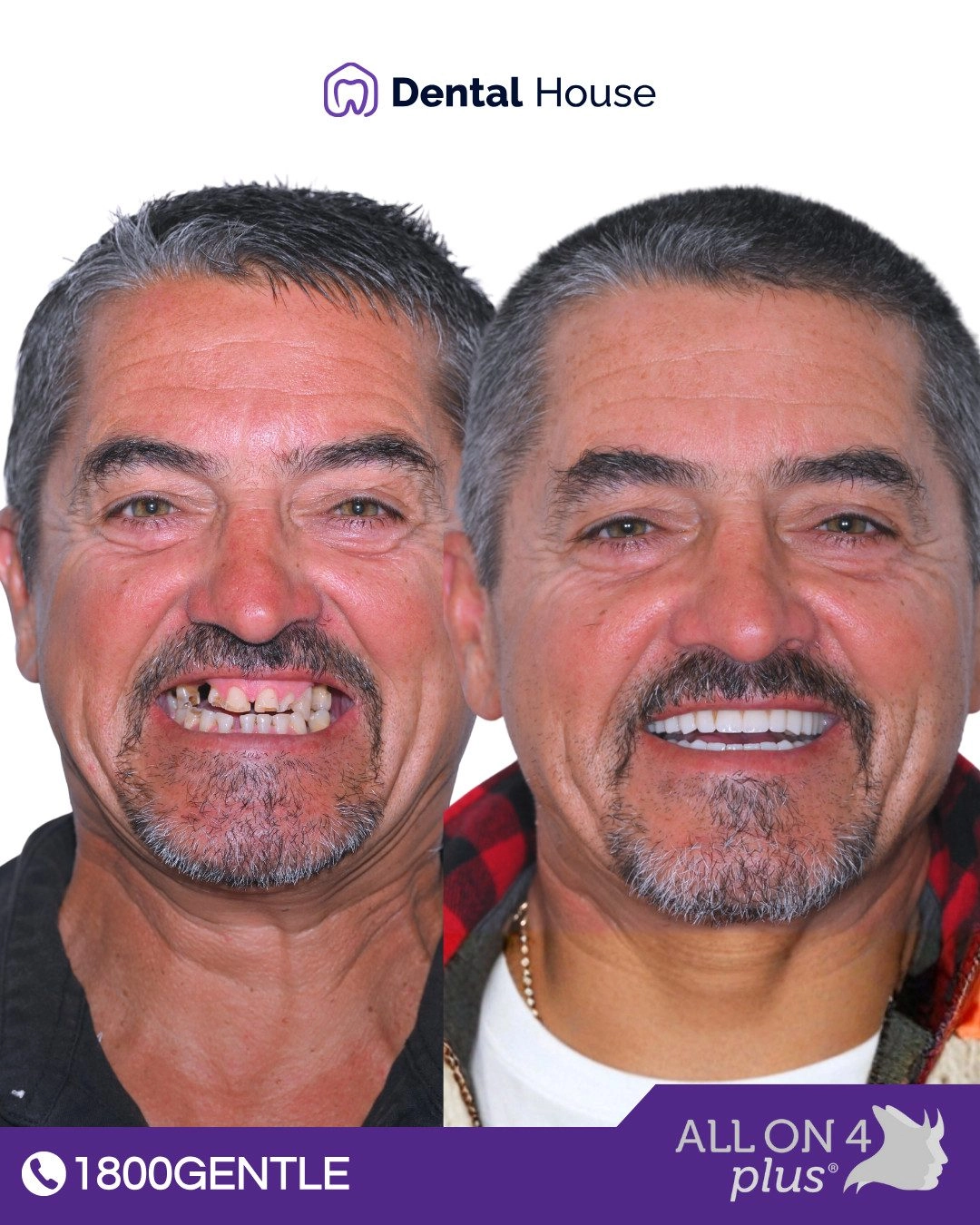
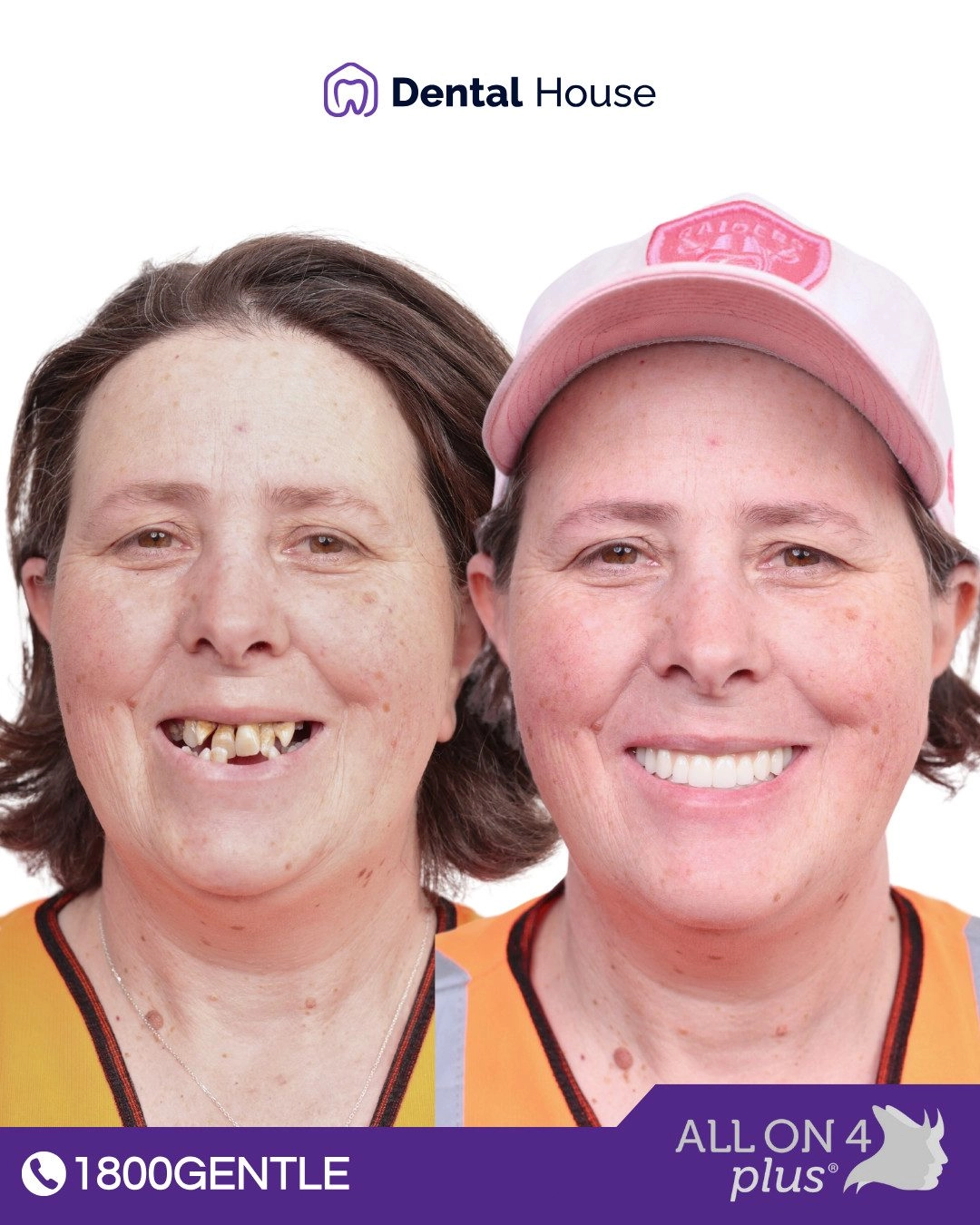
Can conservative treatment address dental irregularities in Gisborne?
Presenting Clinical Problem
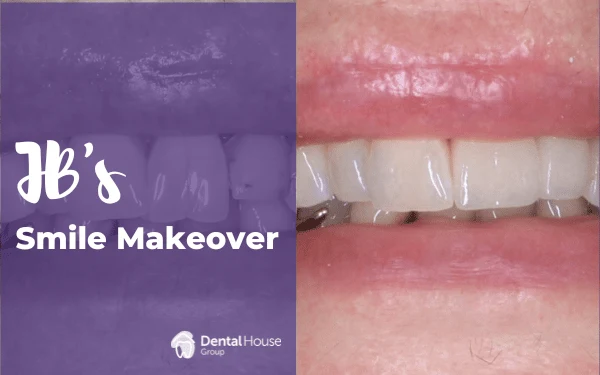
A patient presented seeking conservative treatment options for longstanding dental concerns affecting function and appearance.
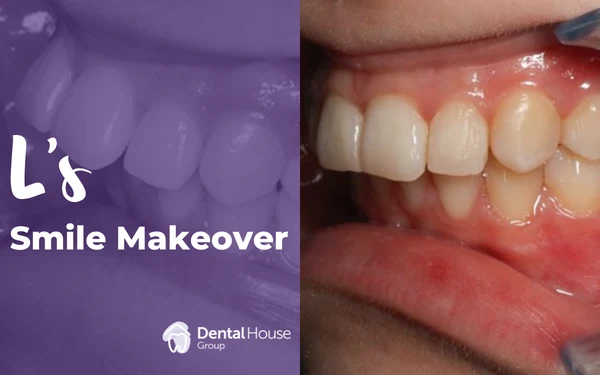
- Developmental Crowding: Genetically influenced anterior positioning irregularities
- Natural Colour Changes: Gradual enamel colour changes over time
- Congenital Size Variations: Naturally smaller lateral incisors affecting proportions
- Conservative Treatment Preference: Patient preference for minimal intervention approaches
The primary clinical objective was to address concerns through conservative methods whilst preserving natural tooth structure and supporting oral health.
Treatment Plan & Clinical Process
A conservative treatment philosophy guided the development of a minimal intervention approach.
Phase 1: Conservative Assessment: Digital imaging enabled assessment of treatment options whilst preserving tooth structure. Clear aligner therapy was selected for gradual repositioning with minimal periodontal impact.
Phase 2: Gentle Orthodontic Treatment: Six-month clear aligner treatment provided controlled repositioning with regular monitoring. Treatment progression was assessed to ensure appropriate tissue adaptation throughout the process.
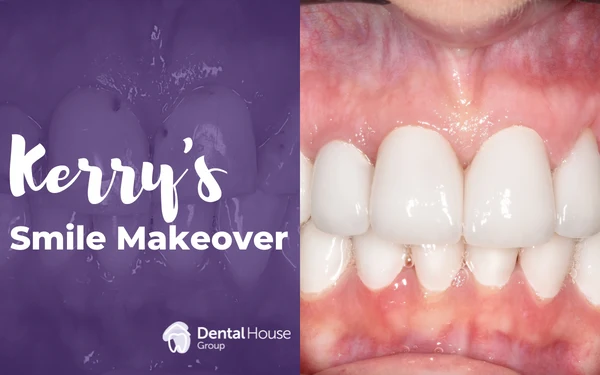
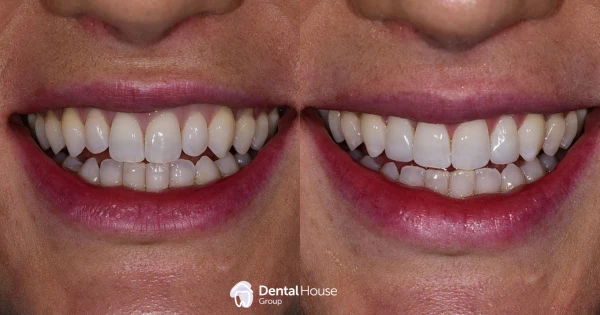
Phase 3: Conservative Enhancement: Professional whitening addressed colour concerns using appropriate techniques. Conservative composite veneers restored lateral incisor proportions using minimal preparation techniques and biocompatible materials.
Clinical Outcome
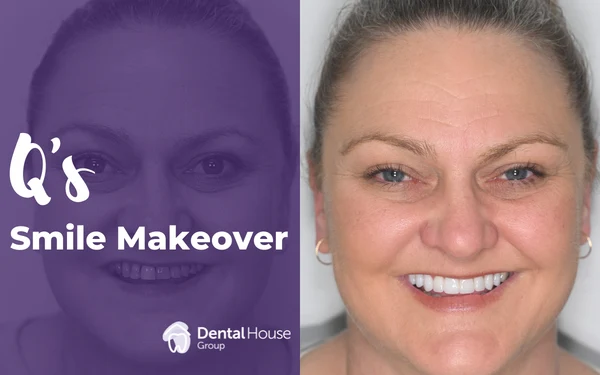
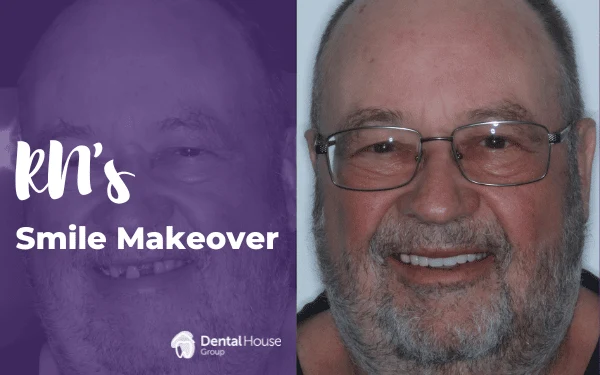
The conservative treatment approach addressed the patient’s concerns whilst preserving tooth structure and supporting oral health. Clear aligner therapy improved positioning with minimal periodontal impact, whilst conservative veneering restored proportional relationships. Treatment maintained natural aesthetics throughout the process.
Individual responses vary considerably based on healing capacity, compliance with maintenance protocols, and numerous other factors. Treatment outcomes cannot be guaranteed, and individual results differ significantly between patients. Conservative approaches may have limitations compared to more comprehensive treatment methods.
Frequently Asked Questions for Gisborne Patients
How do biocompatible materials differ from conventional materials?
Biocompatible materials are designed to integrate with oral tissues, though individual responses vary considerably. Material selection depends on multiple factors including individual case requirements and clinical considerations.
What factors influence treatment success in regional areas?
Regional practice considerations include access to maintenance care and individual lifestyle factors. Treatment planning accommodates these considerations, though individual outcomes remain unpredictable and vary significantly between patients.