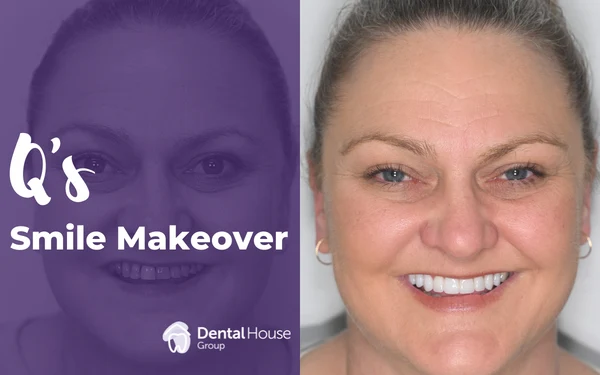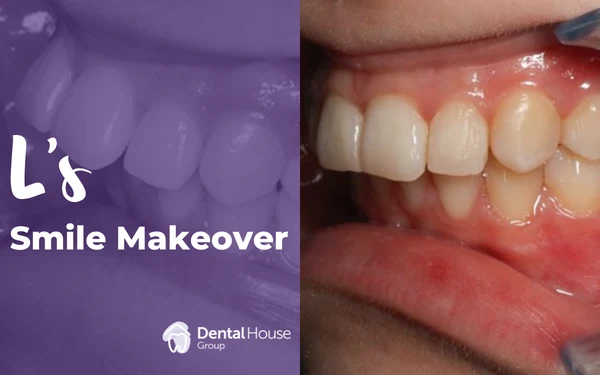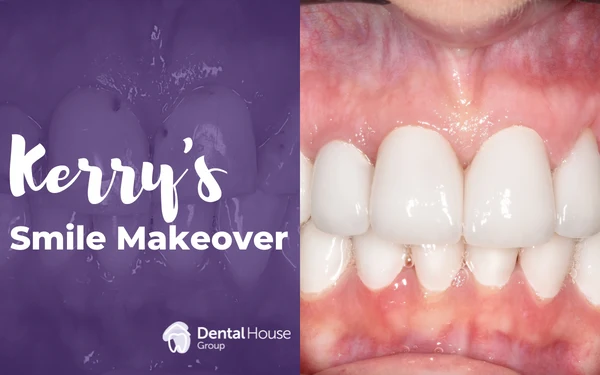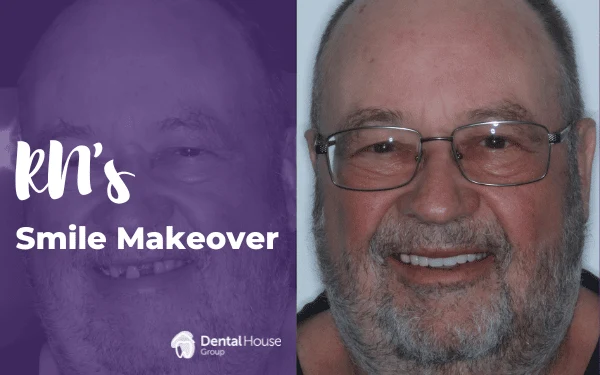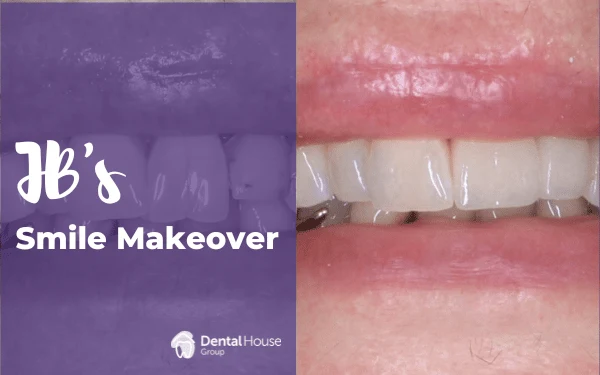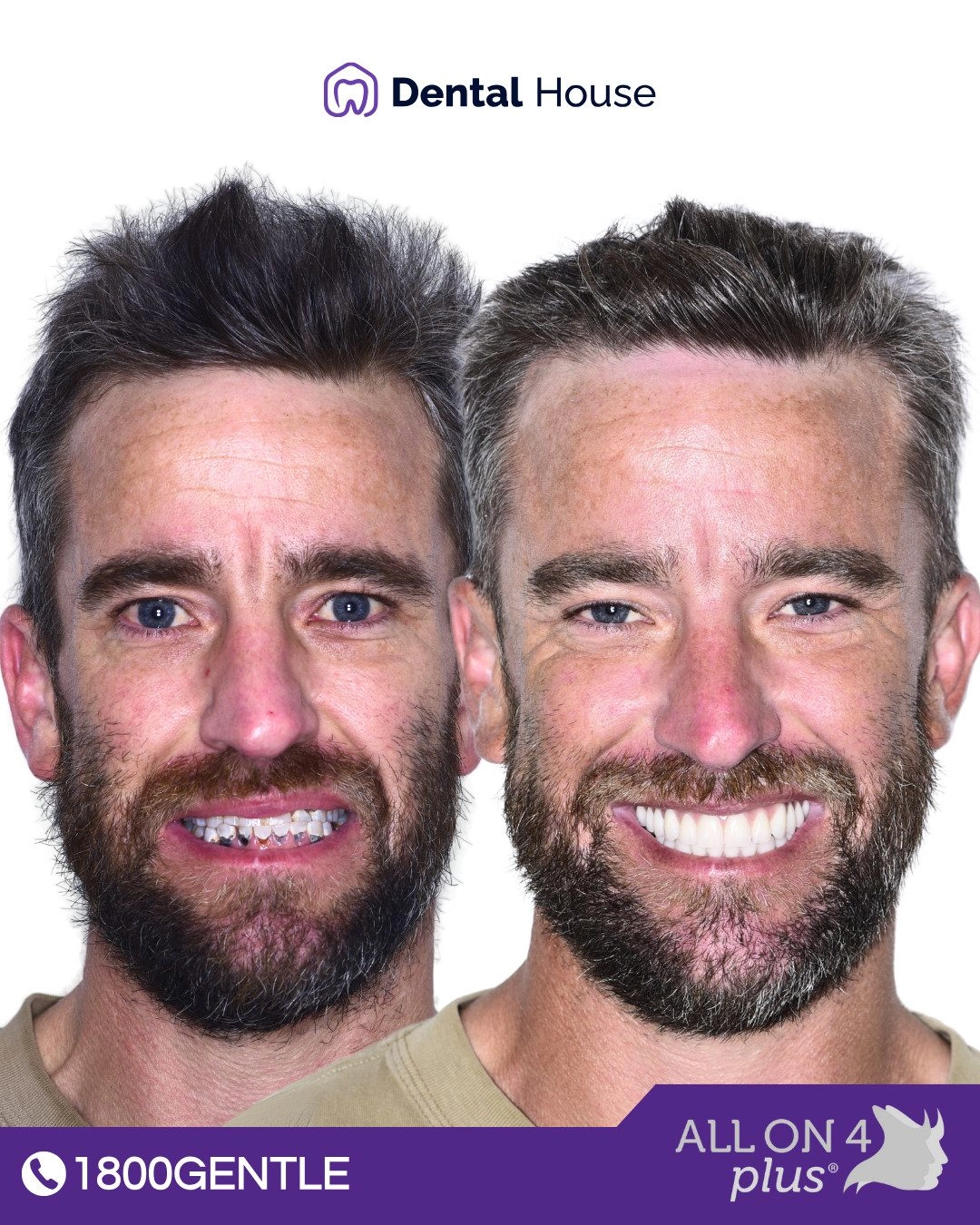
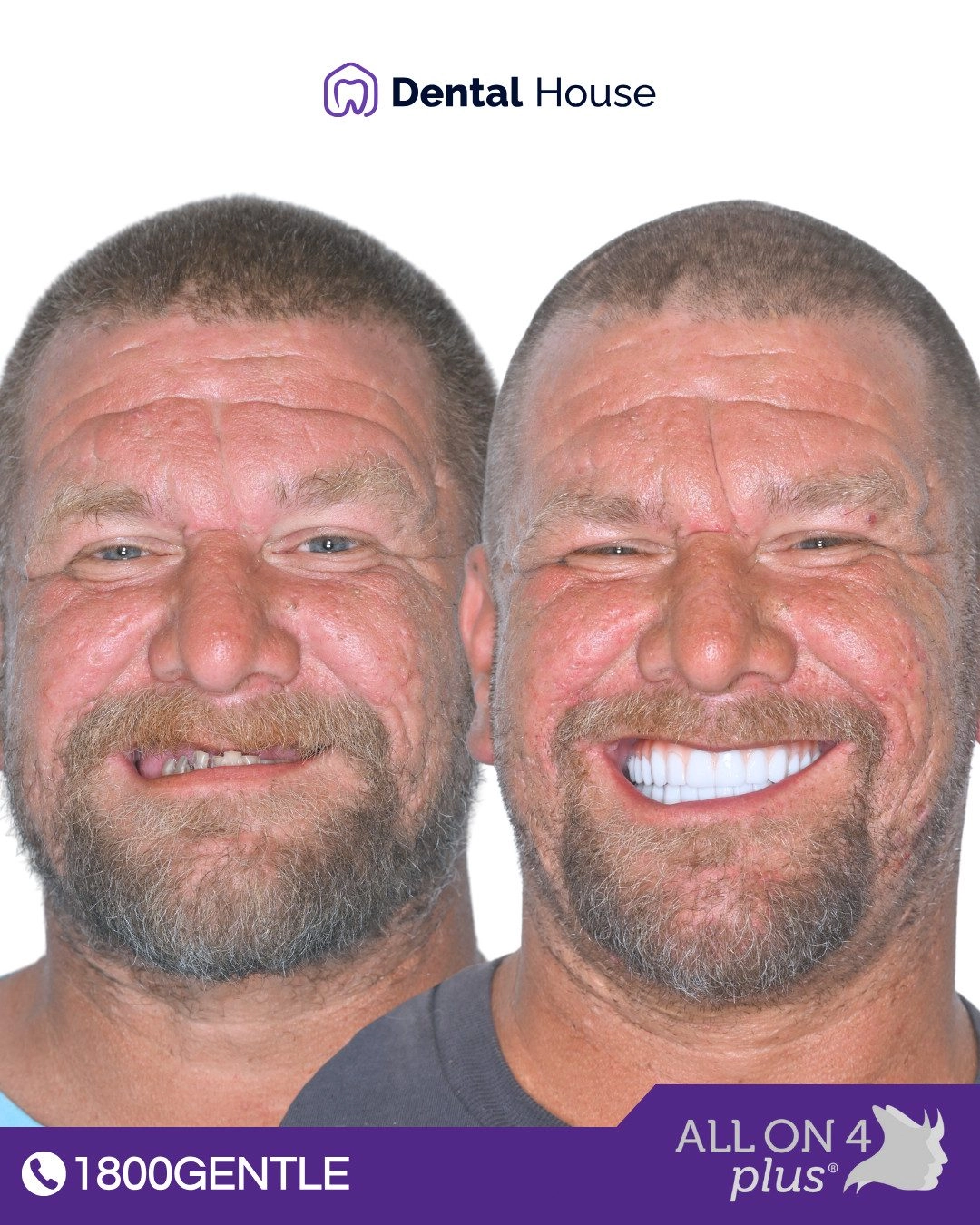
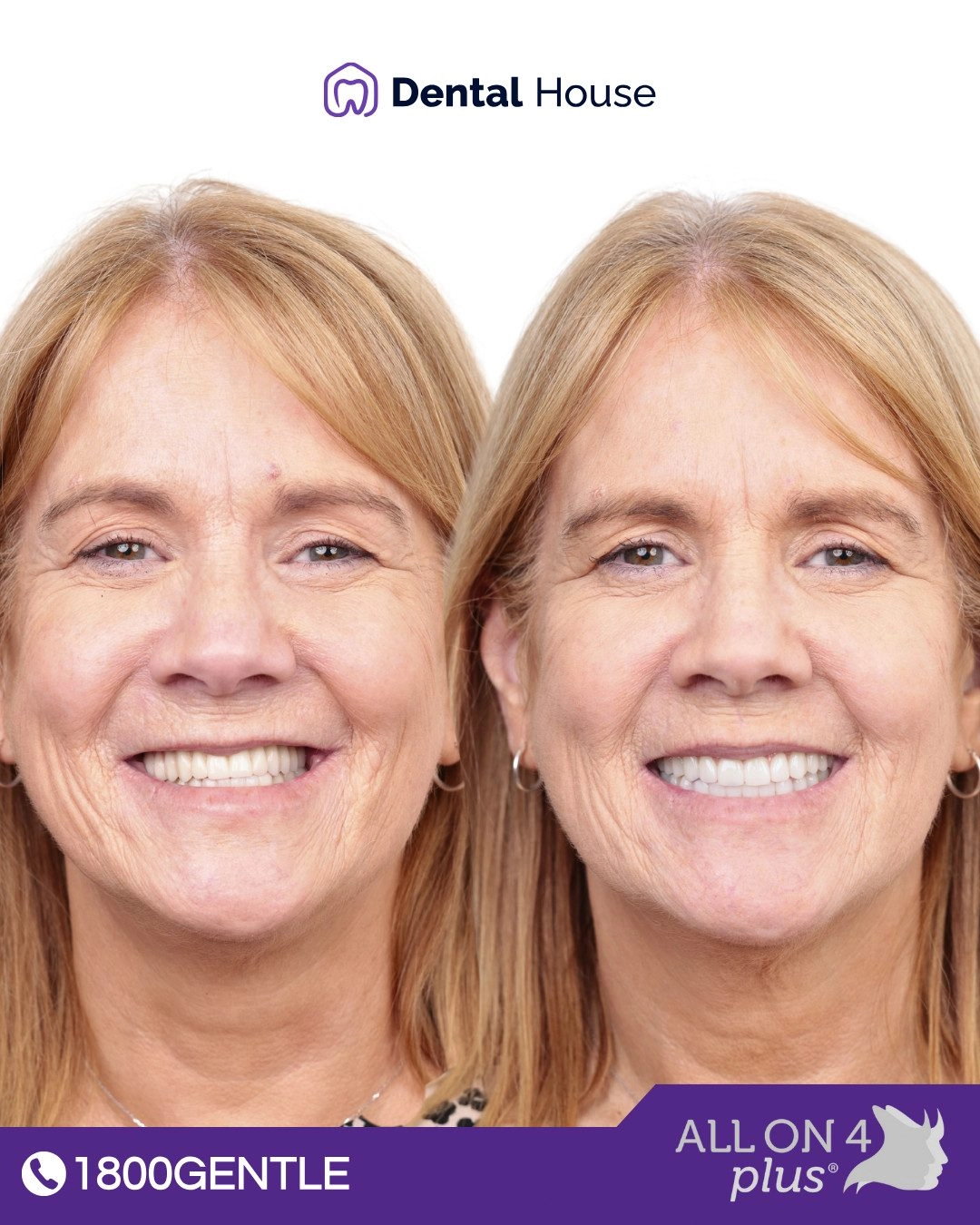

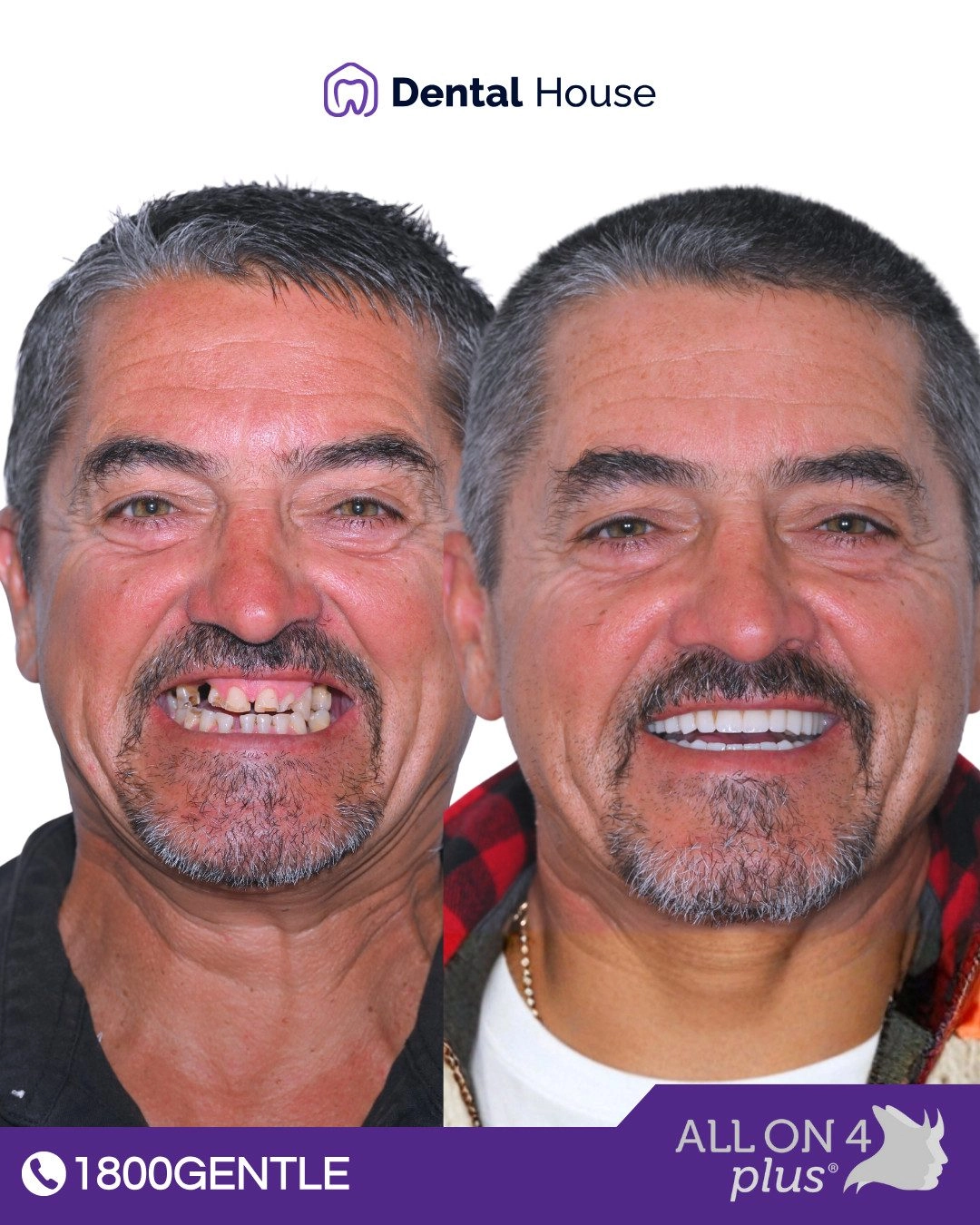
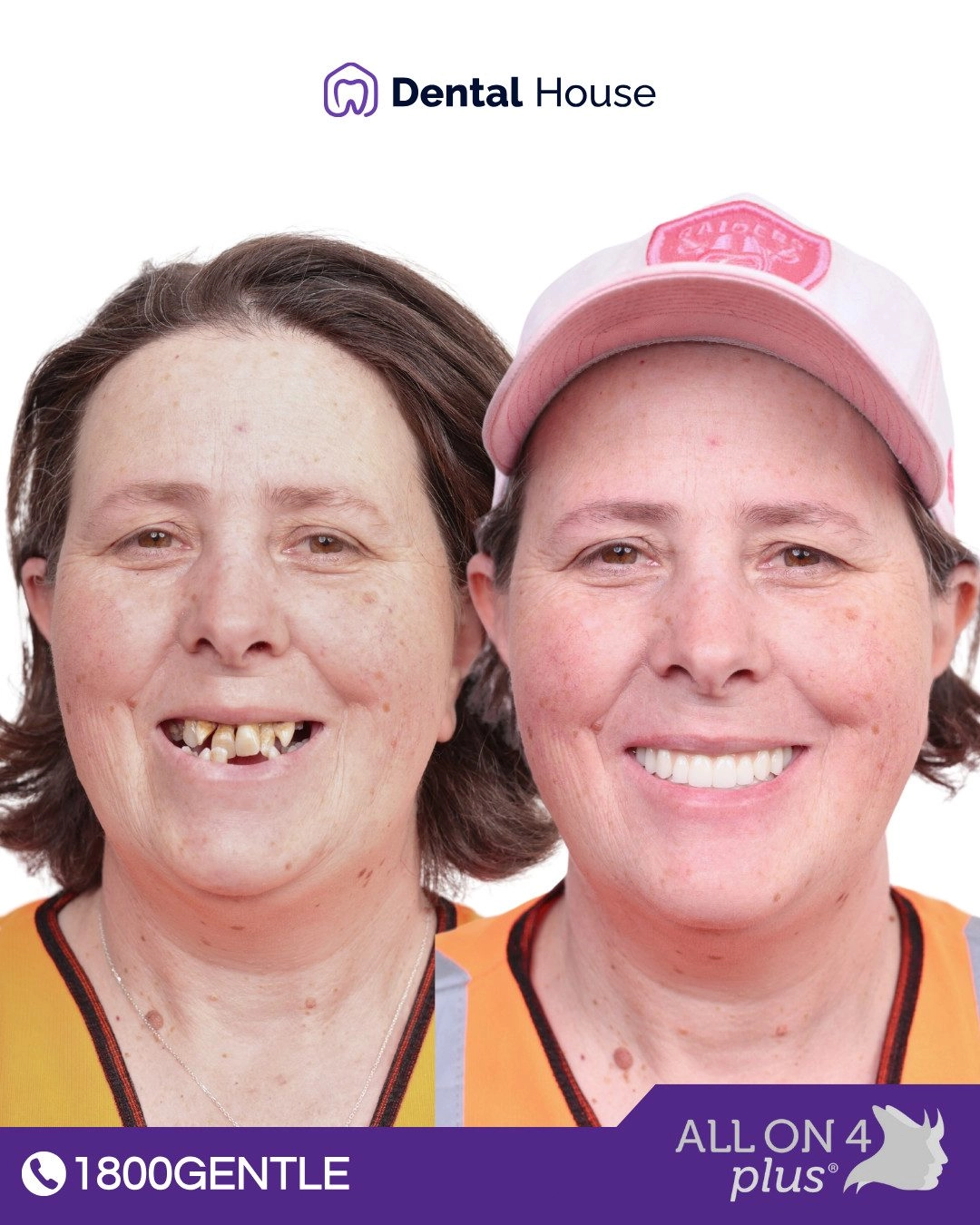
Presenting Clinical Problem
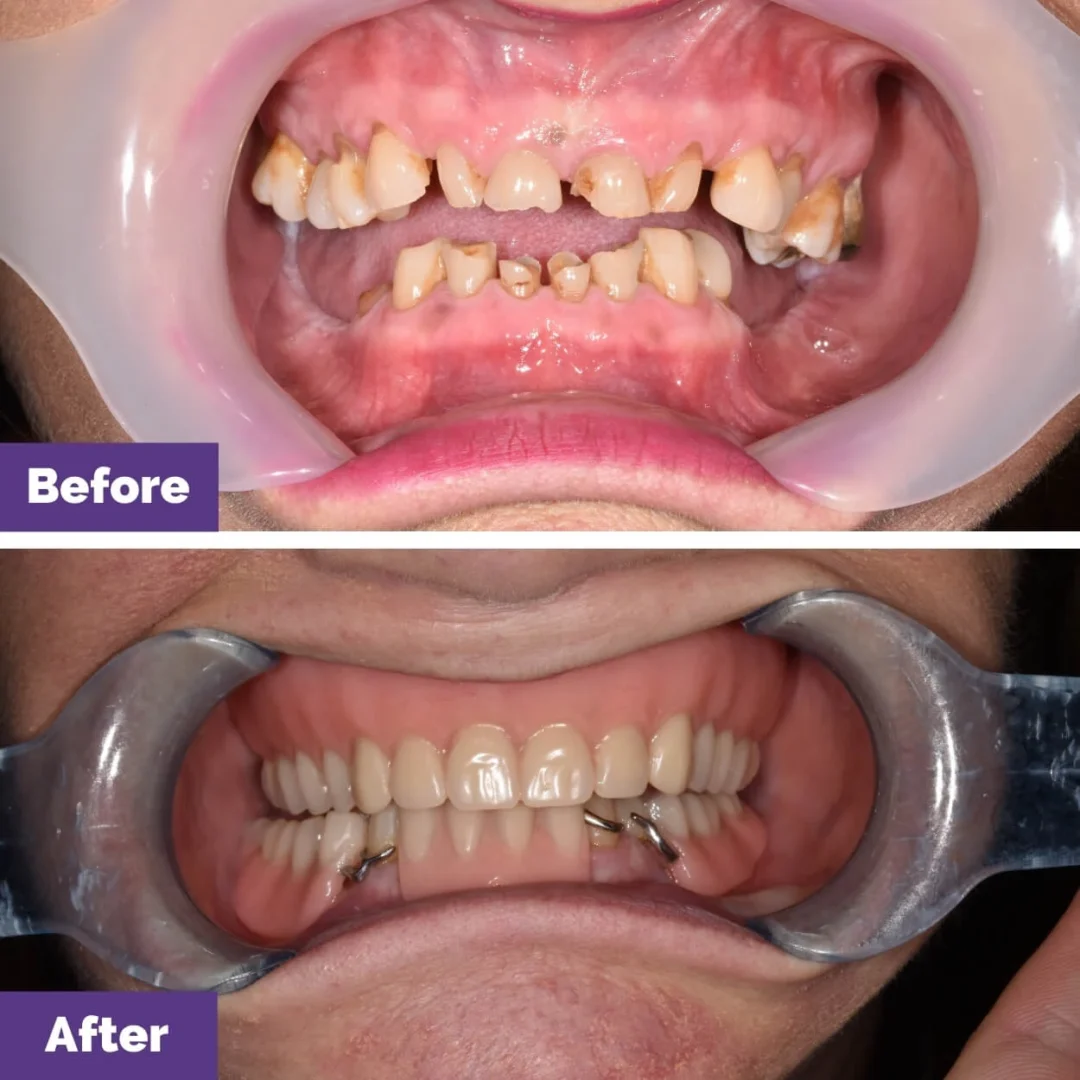
- Multiple non-restorable teeth due to decay and periodontal issues
- Progressive tooth breakdown affecting function
- Tooth discolouration and aesthetic concerns
- Impact on speaking and eating ability
- Patient concerns regarding professional appearance
- Primary objective: Remove non-restorable teeth and restore complete dentition
Treatment Plan & Clinical Process
Phase 1: Assessment and Treatment Planning
- Comprehensive dental examination
- Assessment of teeth requiring extraction
- Medical history review for healing considerations
- Discussion of denture treatment process and expectations
- Preliminary impressions and treatment planning
Phase 2: Extractions and Healing
- Extraction of non-restorable teeth
- Post-extraction care instructions
- Healing period to allow tissue remodelling
- Interim prosthetic options discussed if required
Phase 3: Denture Fabrication
- Final impressions after adequate healing
- Bite registration and jaw relationship records
- Tooth selection for shape, size and shade
- Try-in appointment for fit and appearance verification
- Adjustments based on patient feedback
Phase 4: Denture Delivery and Adjustment
- Final denture insertion
- Instructions for wear, removal and care
- Adjustment appointments to address sore spots
- Adaptation period management and support
Clinical Outcome
Complete upper and lower dentures were fabricated following extraction of non-restorable teeth. Treatment extended over several weeks to allow appropriate healing before final denture placement.
Individual responses to complete dentures vary significantly. Treatment outcomes cannot be guaranteed. Dentures require an adjustment period and may initially affect speech and eating. Lower dentures typically have less stability than upper dentures.
Frequently Asked Questions for Bacchus Marsh Area Patients
Will dentures stay in place while eating and talking?
Upper dentures typically have better retention due to suction. Lower dentures are more challenging to stabilise. Denture adhesives may help. Implant-supported options can significantly improve stability if conventional dentures prove inadequate.
How long do dentures last before needing replacement?
Dentures typically require relining every 2-3 years as tissues change. Complete replacement is usually necessary every 5-7 years. Regular professional assessment helps determine when maintenance or replacement is needed.